
Over 40 Years Unsolved | Natalie Wood – Could Items from The Splendor Speak the Truth?

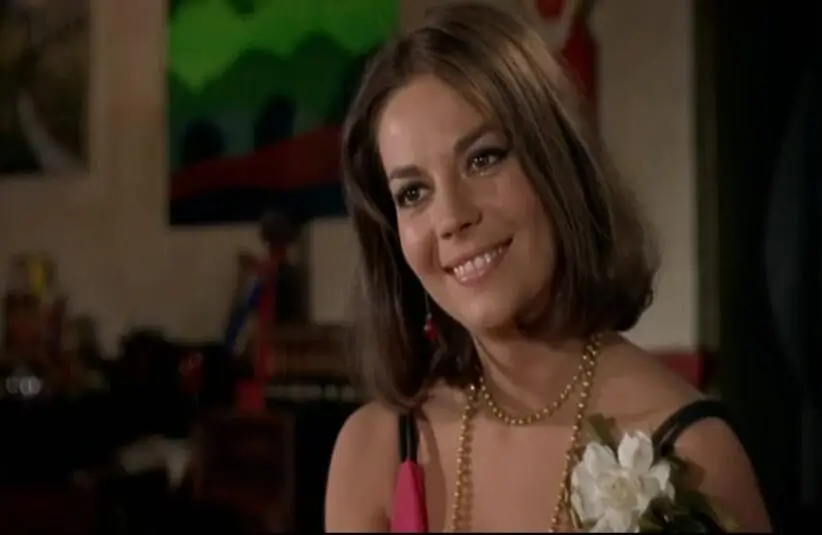
The anniversary of Natalie Wood’s death has just passed, and the mystery still hangs heavy. On that November night in 1981, off Catalina Island, she vanished into the Pacific. The official story says she drowned, but the truth has never been nailed down. Witnesses gave conflicting accounts, investigators reopened the case decades later, and still no one can say with certainty what happened. She died on The Splendor, the yacht that carried her final hours, and for the last four decades, the boat and the items tied to it have acted like they’ve got something to say.
The Items That Speak Out
Zak Bagans, the collector behind the Haunted Museum in Las Vegas, has gathered artifacts from The Splendor. One of the most talked-about pieces is a table said to have been part of a heated argument that night. Visitors claim the energy around it is unsettling—books flipping open, shadows moving, glass breaking without reason. Staff have no doubt these items are charged with something connected to Natalie Wood herself. Claims of uneasy feelings and unexplainable cold spots have been made, and the thought of how that must feel is literally chilling.
The boat still floats, though it has changed hands over the years. Rumors of the boat changing owners due to too much unexplained activity on board stir around. Some have hinted that other items from The Splendor are out there in private collections, and they carry their own strange weight. Stories of unexplained noises, feelings of dread, and objects shifting on their own have followed all of these relics. Even those who don’t believe in hauntings admit there’s something eerie about owning a piece of history tied to such a tragic night.
If curiosity wins out, the Haunted Museum, in Las Vegas, is where you can stand in front of these artifacts yourself. Go see if they, or maybe Natalie Wood’s spirit, say anything to you.
Natalie Wood
Natalie Wood came into the world in San Francisco in 1938. Her mother, Maria Zakharenko, had big dreams for her daughter and pushed her toward acting almost from the start. By the time Natalie was eight, she was already working in Hollywood. She didn’t just grow up there—she stayed, becoming one of the most familiar faces of her generation.
She carried the weight of being a child star who never really got to step out of the spotlight. Still, she managed to carve out a career that left a mark. “Rebel Without a Cause,” “West Side Story,” “Splendor in the Grass”—these weren’t just movies; they were cultural touchstones, and Natalie was right at the center of them. She earned Oscar nominations, critical praise, and the kind of fame that followed her everywhere. By the time her life ended, she was more than famous. She was beloved, admired for her beauty, her talent, and the way she seemed to embody the era itself.
Why Objects Carry Residual Energy
There’s this idea that objects can soak up what happens around them. Not in a mystical, ghost-whispering way, but more like they hold onto the charge of a moment. People call it residual energy. When something intense goes down—fear, anger, heartbreak—it leaves a kind of imprint.
That’s why some folks believe certain things feel “haunted.” It’s not about spirits talking back. It’s about echoes. You stand near an object tied to a tragedy, and sometimes it feels like the past is replaying itself.
The artifacts from The Splendor aren’t just furniture or decoration. They’re seen as witnesses, carrying the weight of that night Natalie Wood lost her life. Whether you believe in it or not, the idea is simple: objects remember.
What About the Dinghy Though
Natalie Wood was terrified of water. Friends and family said she never felt safe around it. To know she lost her life to the Pacific Ocean is heartbreaking. She was beautiful, vibrant, and still in her prime. Nobody can explain how or why she ended up in that dinghy, drifting away from The Splendor.
Except maybe the items from the boat. If they could speak, they might fill in the blanks. The question is whether we know how—or when—to listen. Do you think they have something to say?
