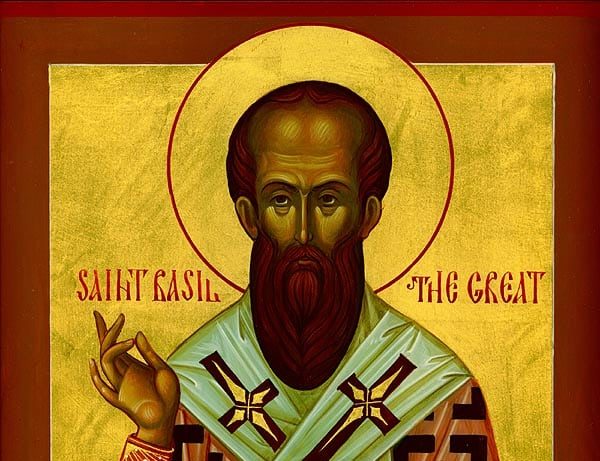
Saint Nilus the Elder was born in the early 4th century and died on November 12, 451. He was one of the many disciples and stalwart defenders of St. John Chrysostom. Saint Nilus the Elder was a writer, and many of his writings still exist. He lived in a cave for forty years, and spent some of that time with his son, Theodulos, before Theodulos was captured by pirates. Saint Nilus the Elder was known as a theologian, Biblical scholar, and ascetic writer, and people of all kinds, from the emperor down, sought his counsel. Have you ever read any of his works?
Saint Nilus Biography
Photo by Massimiliano Morosinotto via UnsplashSaint Nilus, A native of Constantinople, was a layman, married, with two children. As a young man, he was appointed eparch of Constantinople. He was a disciple of the patriarch, Saint John Chrysostom. Chrysostom directed Nilus in the study of scripture and in works of piety. He had a great Influence on Nilus and his wife. Sometime between 390 and 404, the couple decided to part and each pursue the monastic life. Nilus left with his son, Theodulos, and went to Mount Sinai to be a monk. His wife and daughter went to a women’s monastery in Egypt.
Saint Nilus and his son, Theodulos, were at Sinai until about the year 410, when Saracen raiders captured Theodulos and took him prisoner. They eventually sold him as a slave to the Bishop of Elusa in Palestine. The Bishop received Theodulos among his clergy and made him door-keeper of the church. Meanwhile, Nilus, having left his monastic life, to find his son, at last met him at Elusa.
The bishop then ordained them both priests and allowed them to return to Sinai. At that time, married men were allowed to enter the priesthood. For forty years, they lived in a cave. Saint Nilus was a well-known person throughout the region. Through his extensive writings and correspondence, he played an important part in the history of his time. He was known as a theologian, Biblical scholar, and ascetic writer, and many people sought his counsel.
Saint Nilus Works
Photo by Jade courtesy of PexelsSaint Nilus’s numerous works, including a multitude of letters, consist of denunciations of heresy, paganism, abuses of discipline and crimes, of rules and principles of asceticism, especially maxims about the religious life. There were, unfortunately, many heresies at that time. They provided ample fodder for his works. He warns and threatens people in high places, abbots and bishops, governors and princes, even the emperor himself, without fear.
Saint Nilus had extensive correspondence, much of which still exists. He kept up a correspondence with Gainas, a leader of the Goths, endeavoring to convert him. Gianus was an Arian. He denounced vigorously the persecution and exile of St. John Chrysostom both to the Emperor Arcadius and to his courtiers. He died at Ancyra, Galatia, in 451. His remains were brought to Constantinople in the reign of Justin the Younger.
The 1903 Catholic Encyclopedia describes Saint Nilus as “one of the leading ascetic writers of the 5th century.” His works can be classified into four types:
Works about virtues and vices in general: “Of the vice opposed to virtues, “On the word of the Gospel of Luke.” In his treatise “On Prayer, “he recommends one ask of God, in the first place, the gift of prayer.
“Works about the monastic life: “Concerning the slaughter of monks on Mount Sinai, in seven parts, telling the story of the author’s life at Sinai, the invasion of the Saracens, captivity of his son, etc.; Concerning Albianos, a Nitrian monk whose life is held up as an example.
“Admonitions” or “Chapters,” about 200 precepts drawn up in short maxims. These are probably made by his disciples from his discourses. The Fourth kind is “Letters,” published 355, Allatius 1061 letters, divided into four books.
Conclusion
Saint Nilus is well known because of his extensive writings. Many of these writings still exist. In fact, he is known as a leading writer in the Catholic church. It is a little surprising that he has not been named a doctor of the church. That he lived in a cave for forty years, with his son, is wild. So is the fact that his son was catured by pirates.
 Don't stop here
Every Score. Every Story. One Home.
Breaking sports, entertainment and news from across the Total Apex network, updated all day.
Get the Full Story →
Don't stop here
Every Score. Every Story. One Home.
Breaking sports, entertainment and news from across the Total Apex network, updated all day.
Get the Full Story →