

Saint Charles of Sezze was born on 19 October 19 1613 and died on 6 January 6 1670. His name was Giancarlo Marchioni, but he called and is known as Saint Charles of Sezze. He was an Italian professed religious from the Order of Friars Minor, who had a Pope visit him on his deathbed. He grew up on a farm and liked to farm.
Specifically. Saint Charles of Sezza liked to plow because he liked the oxen. He lived a simple life, even in the monastery, and was the humble author of seven books. His parents wanted him to become a priest, but he never became one. Did you think it was necessary to be ordained to become a Saint?
Saint Charles of Sezze Biography
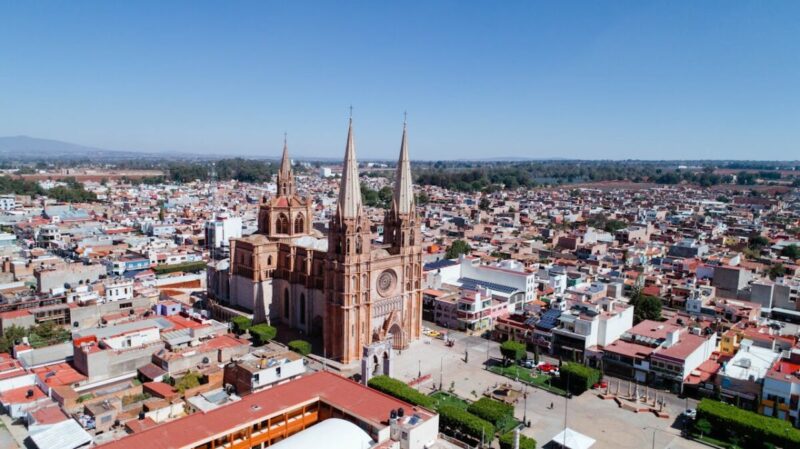
Picture Courtesy of UnsplashSaint Charles of Sezze was born on October 19, 1613, in Sezze, Italy. He was born on a farm and grew up there performing menial farm tasks, which he liked. He led an austere life doing menial tasks such as acting as a porter and gardener; he was also a noted writer. His mother, when he was young, liked to dress him in a tunic with a cord and hood in honor of Friars Francis of Assisi and Anthony of Padua.
His maternal grandmother instilled devout practices and other religious values during his childhood. He worked on the farm as a shepherd to help his parents with the exhaustive workload, and liked to plow in the fields because he liked the oxen.
Saint Charles of Sezze became a Monk on May 16, 1636, and wanted to become a missionary and wanted to serve in India. However, poor health prevented him from doing so. In a theme for saints, he became very ill to the point of death before joining the monastery and remained sickly for the rest of his life.
Saint Charles of Sezze worked at a range of jobs in various monasteries: he cooked and served as a porter, and also worked as both a sacristan and gardener; he also went out into the streets as a beggar. He was not qualified for all of the tasks, as he became notorious for setting the kitchen of one house on fire.
On one occasion, the guardian of a convent ordered him, who was the porter at the time, to give food to traveling friars who came to the door. Though he was not a priest, he was instructed to write the account of his life after his confessor requested it of him.
The result was “The Grandeur of the Mercies of God,” which was well-read; he went on to write six other books. Though he kept himself under the guidance of a spiritual director and was simple, Saint Charles of Sezze was often sought for spiritual advice, and even Pope Innocent X and Alexander VII sought him out for advice.
Maybe the Pope sought him out for advice because he was a noteworthy author at the time. Saint Charles of Sezze wrote seven books during his short life. They were:
- Birth of the Holy Mary’s Novena
- Christmas Novena
- Holy Settenario
- Invalid Path of the Soul
- Jesus Christ’s Talk about Life
- The Grandeur of the Mercies of God
- The Three Ways
Conclusion
Pope Clement IX summoned Saint Charles of Sezze to his deathbed for comfort and a blessing not long before the two men died. On January 6, 1670, he died in the convent attached to San Francesco a Ripa in Rome; he was buried in that church, where a chapel dedicated to him still hosts his remains today.
Pope Clement XIV made him Venerable on June 14, 1772. After the ratification of two miracles attributed to his intercession on October 1, 1881, Pope Leo XIII beatified him on January 22, 1882. Pope Pius XII confirmed two additional miracles on January 7, 1958, but died before he could canonize them; so Pope John XXIII did it on April 12, 1959.
 Don't stop here
Every Score. Every Story. One Home.
Breaking sports, entertainment and news from across the Total Apex network, updated all day.
Get the Full Story →


