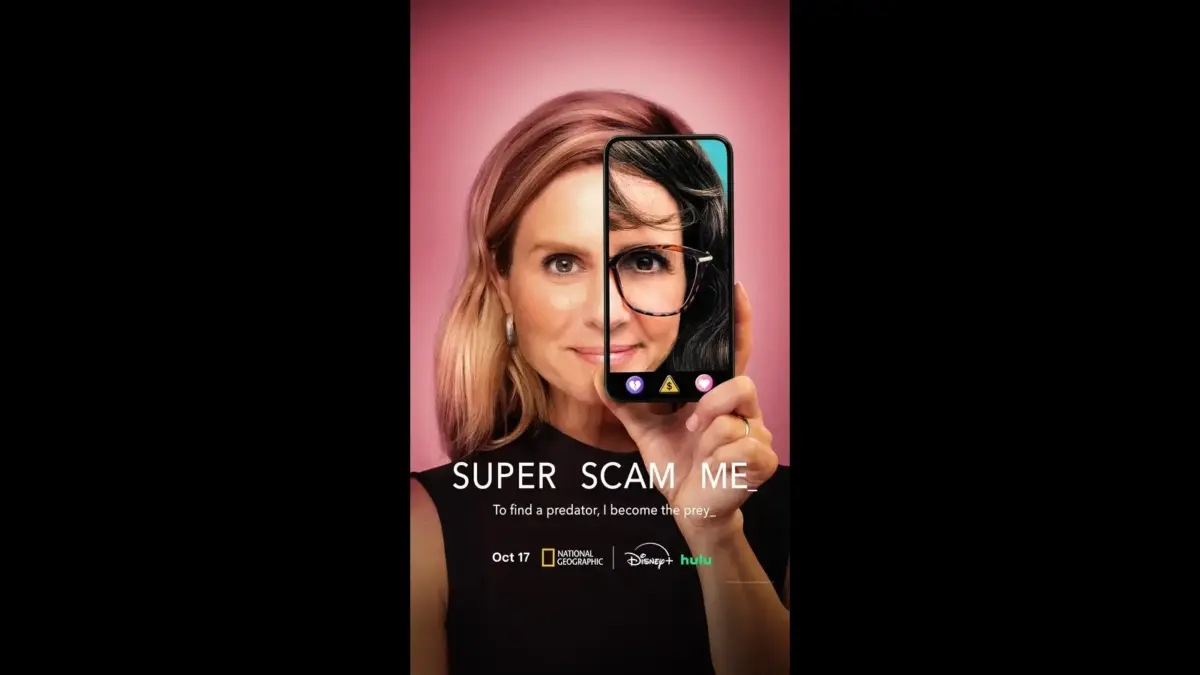
Romance scam tactics like love bombing are at the center of a new documentary that asks why smart, educated people fall for strangers online. The film, titled “Super Scam Me,” comes from Emmy Award-winning investigative journalist Mariana van Zeller, who built a fake dating profile to study scammers from the inside. Psychology Today covered the documentary in an article published Oct. 17, 2026.
The project flips the usual script on romance scam coverage. Instead of asking why victims fell for a con, Van Zeller set out to document exactly how professional and effective the scammers’ methods really are.
What Is “The Super Scam Me” Documentary About?
Van Zeller created an online alter ego named Mary Zelle specifically to attract and engage with romance scammers, according to Psychology Today. The Mary Zelle profile was built to match the kind of person scammers typically pursue: a middle-aged woman who was recently divorced or widowed and looking for love.
Van Zeller explained her approach in her own words, saying she wanted to “place myself at the center of all these scams and try to see it from the perspective of the victim as a person who sort of is immersed in the tactics and the strategies used by these scammers and show how professional, how good they are at what they do.”
Why Did Van Zeller Make This Documentary?
Van Zeller said she grew frustrated watching coverage of romance scams repeatedly put the blame on victims instead of examining how scammers operate. She described the common reaction to these cases as one that tends to “focus on the victims and how is it possible that they did this? Why would you give money to a stranger? How stupid could you be?”
That framing ignores a basic fact Psychology Today highlighted: romance scam victims can be intelligent, well-educated people. The documentary treats the scam itself, not the victim’s judgment, as the thing worth scrutinizing.
How Fast Do Scammers Target New Profiles?
Van Zeller did not have to wait long to see the tactics in action. She was contacted by scammers within minutes of posting the Mary Zelle profile on dating websites and social media, according to Psychology Today.
The speed of the response points to how scammers often work at scale, casting wide nets across multiple platforms rather than pursuing targets one at a time.
What Is Love Bombing And Why Does It Matter Here?
Once scammers made contact, Van Zeller experienced what researchers call love bombing. Psychology Today defined the tactic as flooding a target with excessive affection, flattery and attention to quickly establish connection to, and dependency on, the scammer.
Van Zeller described the experience candidly: “It was kind of fun to have your profile on dating websites and be love-bombed by all these people, especially since I’ve been married for 20 years.” Her comment underscores how the tactic is designed to feel good in the moment, which is part of what makes it effective even on someone studying it from the outside.
Who Is Actually At Risk?
Psychology Today also noted that men are as likely as women to be victims of romance scams but are less likely to report it. That detail complicates the common assumption that romance scams mainly target women, suggesting the true scope of the problem may be undercounted simply because male victims stay quiet.
The documentary’s broader point is that these scams succeed because of calculated technique, not because targets are careless or unintelligent. By building a profile designed to draw scammers in and then documenting their methods firsthand, Van Zeller aims to shift the conversation away from blaming victims and toward understanding the playbook scammers use.
 Don't stop here
Every Score. Every Story. One Home.
Breaking sports, entertainment and news from across the Total Apex network, updated all day.
Get the Full Story →