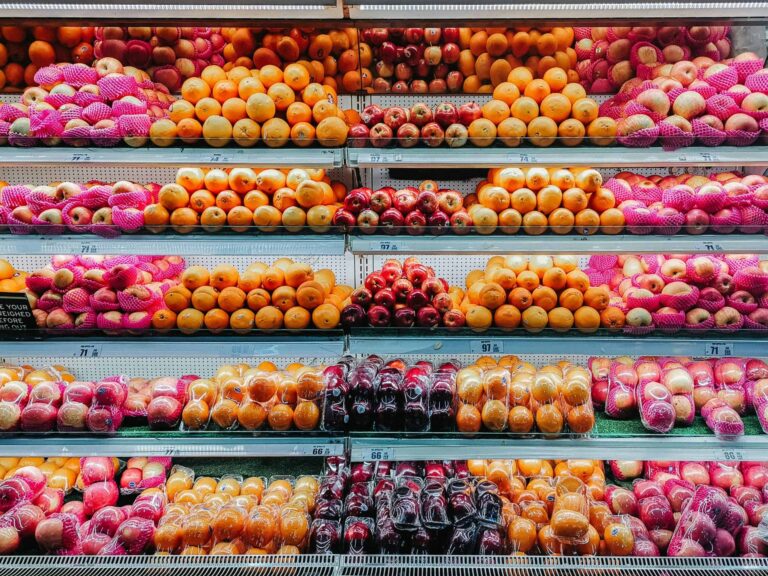
Every year, the Environmental Working Group (EWG) releases its “Dirty Dozen” list—a roundup of the most pesticides found in fruits and vegetables found on grocery shelves across the U.S. The latest update includes a few unsettling newcomers, raising fresh concerns about what’s really being consumed with each bite. While the produce aisle may look vibrant and wholesome, the reality behind those glossy apples and plump strawberries is far more complicated.
The Dirty Dozen: What’s New This Year
The usual suspects—strawberries, spinach, and kale—continue to top the list, but this year’s additions include bell peppers, blueberries, and green beans. These items tested positive for multiple pesticide residues, some of which are linked to hormone disruption, neurological effects, and increased cancer risk. The EWG’s findings are based on data from the USDA and FDA, which routinely test produce for chemical contamination.
What Pesticides Are Doing to Us All
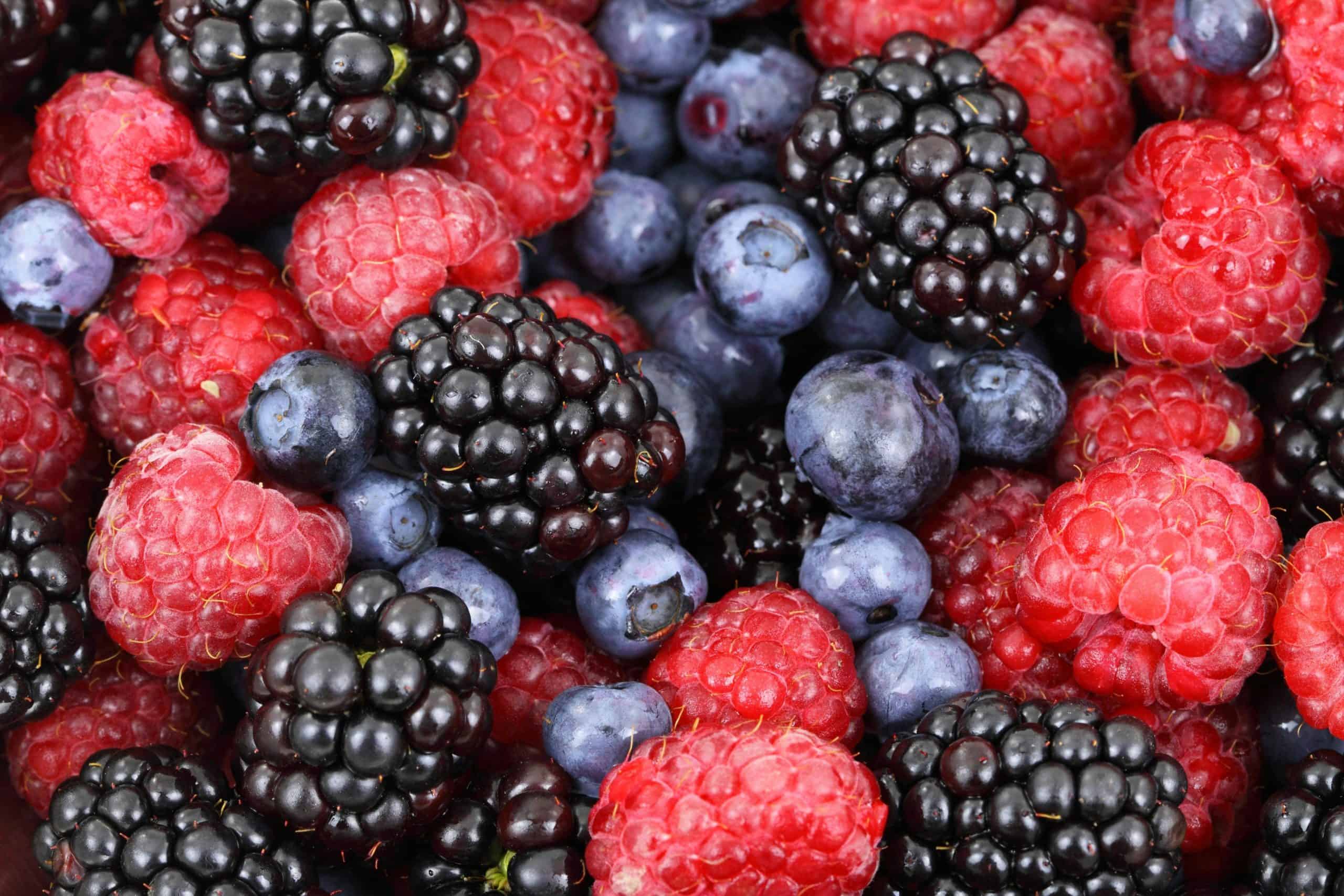
Pesticides in fruits and vegetables don’t just rinse off with water. Many are systemic, meaning they’re absorbed into the plant and can’t be removed by surface cleaning alone. Chronic exposure to these chemicals has been associated with developmental delays in children, fertility issues, and immune system suppression. Even low-level exposure over time can accumulate and contribute to long-term health consequences.
How to Wash Produce More Effectively
While washing won’t eliminate all pesticide residues, it can reduce surface contaminants. Here are a few better-than-basic methods:
- Soak produce in a solution of baking soda and water for 12–15 minutes.
- Use a vinegar rinse (1 part vinegar to 3 parts water) for sturdier items like apples and cucumbers.
- Scrub firm produce with a brush under running water.
- Peel when possible—though this may also remove nutrients.
Organic options tend to have fewer pesticide residues, but they’re not entirely free of them. Washing remains essential across the board.
Grow Your Own: A Cleaner Alternative
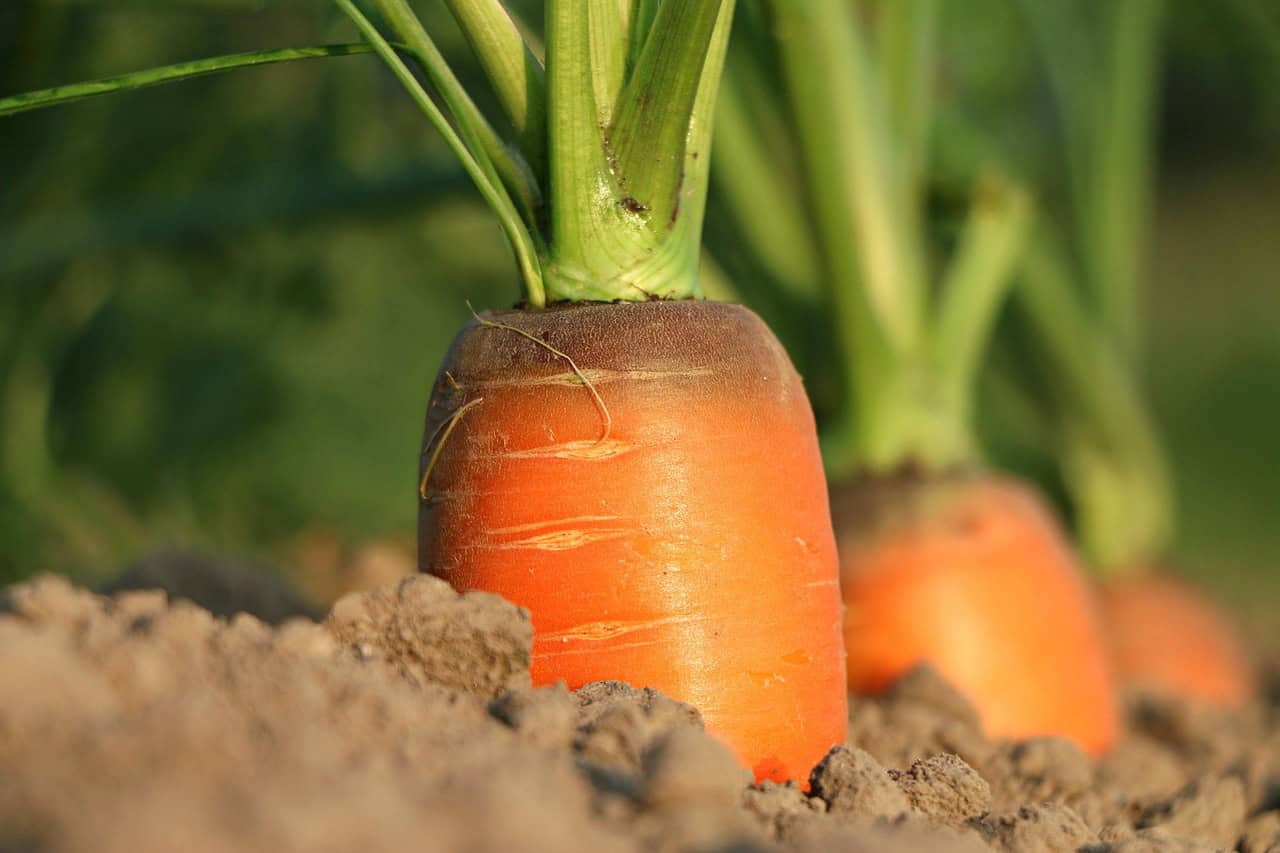
One of the most effective ways to reduce exposure to pesticides in fruits and vegetables is to grow produce at home. Even a small container garden can yield clean herbs, tomatoes, and leafy greens. Fall is an ideal time to plant garlic, carrots, and spinach in many regions. Raised beds, vertical planters, and hydroponic systems offer flexible solutions for limited space.
Final Thoughts
The presence of pesticides in fruits and vegetables is more than a regulatory issue—it’s a public health concern. Staying informed about the Dirty Dozen, choosing organic when feasible, washing produce thoroughly, and growing food at home are all steps toward safer consumption. Awareness is the first ingredient in a cleaner, healthier plate.
 Don't stop here
Every Score. Every Story. One Home.
Breaking sports, entertainment and news from across the Total Apex network, updated all day.
Get the Full Story →