

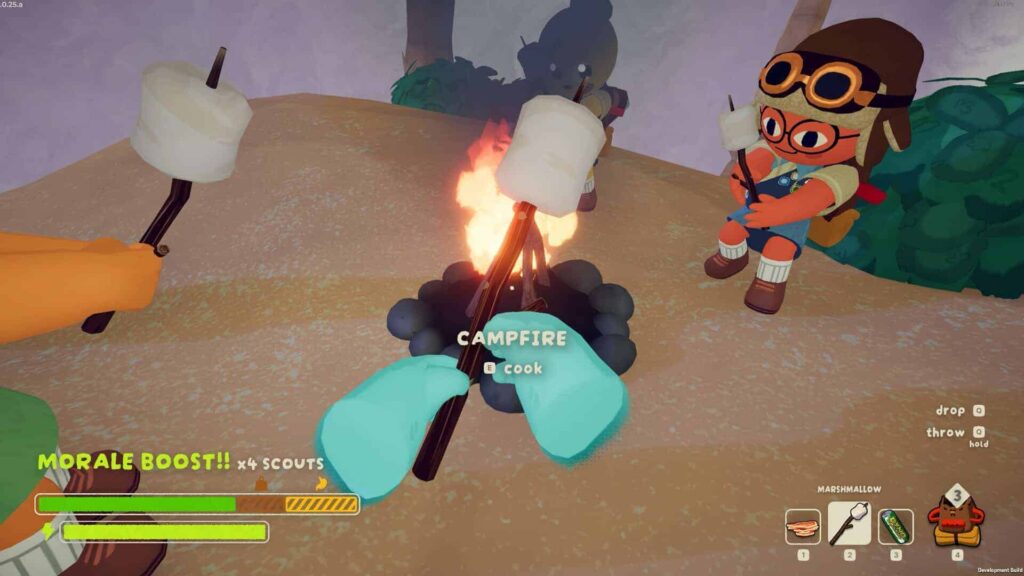
The cold is relentless, the terrain unforgiving, and every decision could mean life or death. In the immersive survival game PEAK, food isn’t just fuel—it’s a vital mechanic tied directly to your stamina, warmth, and overall ability to survive the mountain’s punishing elements. From foraging berries to crafting hot meals at makeshift shelters, every bite counts. Whether you’re a beginner climber or a seasoned one, this comprehensive food guide will help you choose the best consumables, understand their effects, and plan your ascents more effectively.
1. Understanding Food Mechanics in PEAK
In PEAK, food serves multiple functions beyond restoring hunger. Each item contributes to different aspects of survival:
-
Calories: Restore energy for climbing and sprinting.
-
Warmth: Helps regulate body temperature in cold regions.
-
Hydration: Prevents fatigue and affects mobility.
-
Morale Boosts: Some luxury or rare food improves mental clarity and temporarily boosts stamina.
Food decays over time, so proper storage and usage strategies are essential.
2. Basic Food Sources: Foraging and Hunting

Early in the game, foraging is the most accessible food option. Key basics include:
-
Mountain Berries: Found at lower altitudes, these provide minimal calories but slow dehydration.
-
Wild Roots: Offer higher sustenance, but must be cooked to avoid food poisoning.
-
Small Game (Hares, Birds): Hunted using traps or bows. It must be cooked at a campfire.
Hunting becomes viable once players unlock crafting for weapons and learn animal tracking.
3. Cooking Systems and Recipes
Crafting a cooking station or building a fire pit is essential for creating warm, nutrient-rich meals. Cooking unlocks recipes that combine ingredients for powerful effects:
-
Hearty Stew (Root + Meat + Snowmelt): Restores large calories and warmth.
-
Spiced Tea (Mountain Herb + Boiled Water): Boosts morale and warmth.
-
Protein Wrap (Dried Meat + Flatbread): Long-lasting energy boost, great for extended climbs.
As noted by PeakWiki, recipes must be learned through exploration or acquired from other NPC climbers.
4. Advanced Meals and Buff Foods
In later stages, advanced meals offer specialized buffs for extreme conditions:
-
Altitude Soup: Reduces oxygen depletion rate for 10 minutes.
-
Snowline Casserole: Increases sprint stamina and slight resistance to frostbite.
-
Caffeine Brew: Sharpens reaction time, useful during enemy encounters or avalanches.
These recipes often require ingredients only found in high-altitude zones or via trade with NPCs. Check out GamingBolt’s PEAK Strategy Page for a list of NPC vendors and trade routes.
5. Managing Food Storage and Preservation
Cold storage and insulated containers are vital tools for preventing spoilage. The game offers several options:
-
Snowboxes: Passive chillers using natural snow; great for base camps.
-
Dry Bags: Prevent water-logging and spoilage during storms.
-
Preservation Pouches: Crafted from animal hides, slow down decay and are great for traveling.
Recent updates also introduced salt pockets—rare natural formations used for curing meats.
6. Emergency Rations and Survival Tips
Sometimes, food is scarce, and players must rely on emergency tactics:
-
Protein Bars: Rare loot in crashed supply drops. Long shelf life, high energy.
-
Snow Boiling: Always boil snow before drinking to avoid sickness.
-
Insect Protein: Found in alpine bark or crevices. Low nutrition, but viable when desperate.
Eat Smart, Survive Longer
In the punishing heights of PEAK, survival hinges on more than sheer willpower. Managing your food wisely—understanding when to forage, what to cook, and how to store your rations—can be the difference between making it to the summit or freezing halfway up. With the game’s deep mechanics and upcoming expansions introducing even more realistic survival systems, food will remain a central pillar of strategy. Stay fed, stay smart, and most importantly—never climb on an empty stomach.
Visit Total Apex Gaming for more game-related news and content.
 Don't stop here
Every Score. Every Story. One Home.
Breaking sports, entertainment and news from across the Total Apex network, updated all day.
Get the Full Story →


