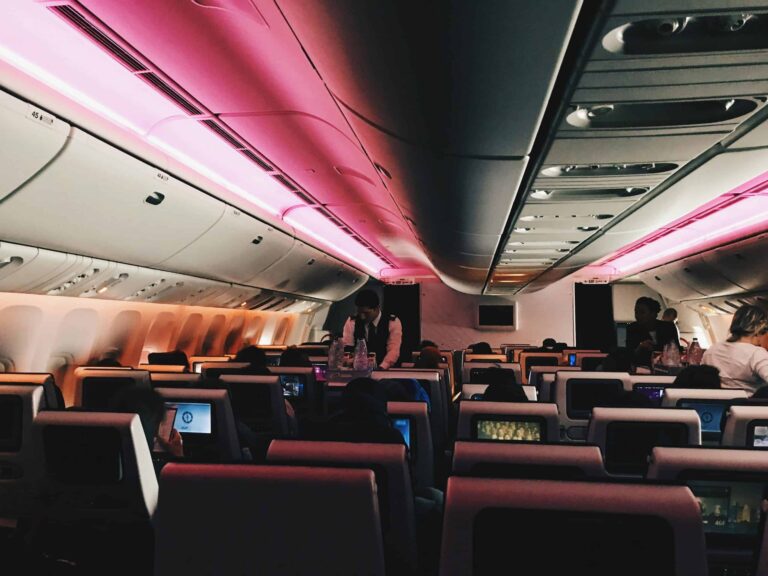
Air travel can be stressful, especially when boarding begins and passengers rush to secure space in the overhead bins. Flight attendants witness countless interactions around these compartments and often see the same mistakes repeated. Understanding proper overhead bin etiquette not only improves the boarding experience but also helps maintain a smoother, more respectful environment onboard.
1. Use Your Own Overhead Bin First
One of the most basic rules of overhead bin etiquette is to place carry-on items in the bin directly above the assigned seat. This helps ensure that everyone has access to storage near their location and prevents unnecessary congestion in other parts of the cabin. Flight attendants often remind passengers of this rule during boarding announcements.
2. Store Bags Efficiently to Maximize Space
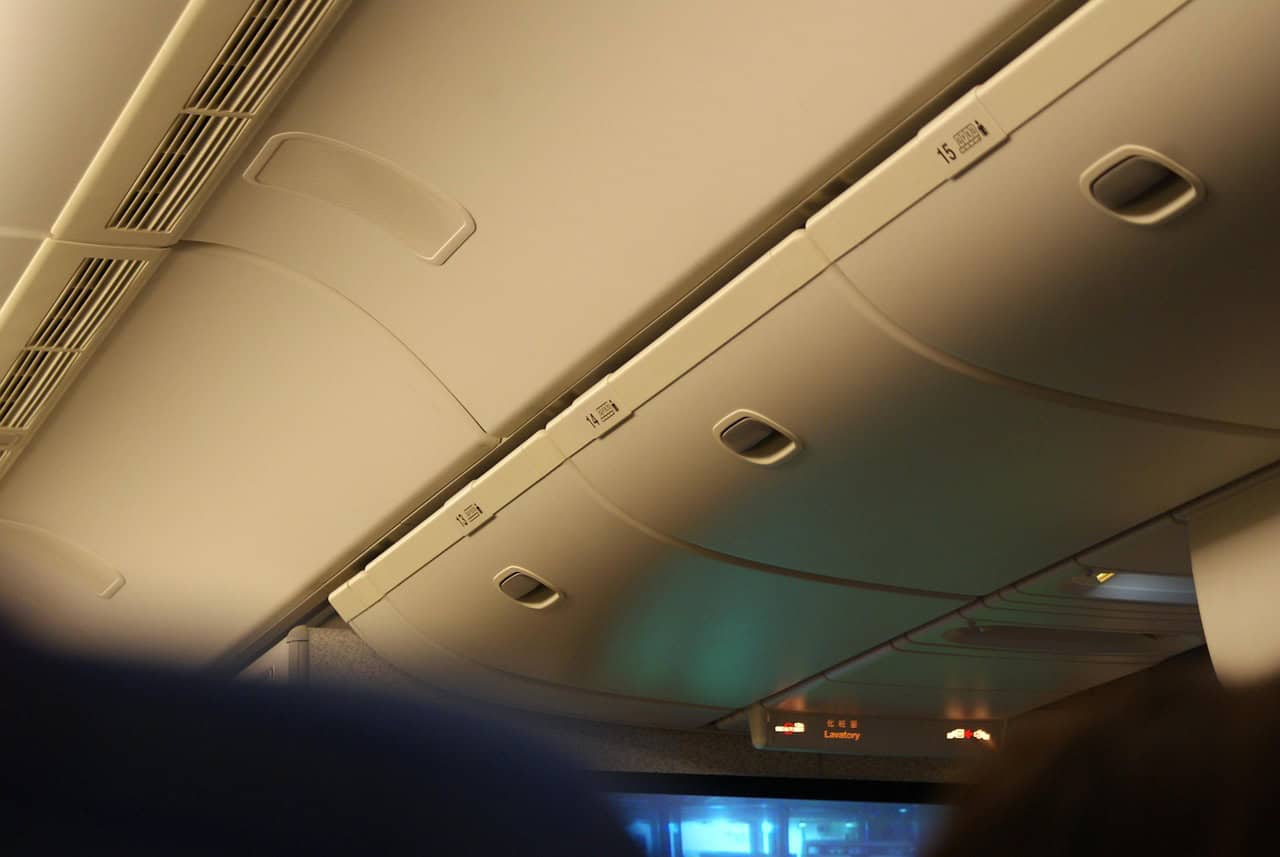
Overhead bins are designed to hold multiple bags, but poor placement can waste valuable room. Rolling suitcases should be placed wheels-first and sideways if the bin allows. Smaller items like backpacks or purses should be tucked under the seat when possible. Efficient storage benefits everyone and reduces the need for gate-checking bags due to a lack of space.
3. Avoid Reorganizing Other Passengers’ Belongings
It may be tempting to shift someone else’s bag to make room, but doing so can lead to conflict. Flight attendants advise against touching other passengers’ belongings without permission. If space is tight, it’s best to ask a crew member for assistance rather than rearranging items independently.
4. Keep Essential Items Accessible
Packing essentials—such as medications, electronics, or travel documents—in a smaller personal item that fits under the seat ensures quick access during the flight. Digging through the overhead bins mid-flight can disrupt others and is generally discouraged unless absolutely necessary.
5. Wait for Your Turn During Deplaning
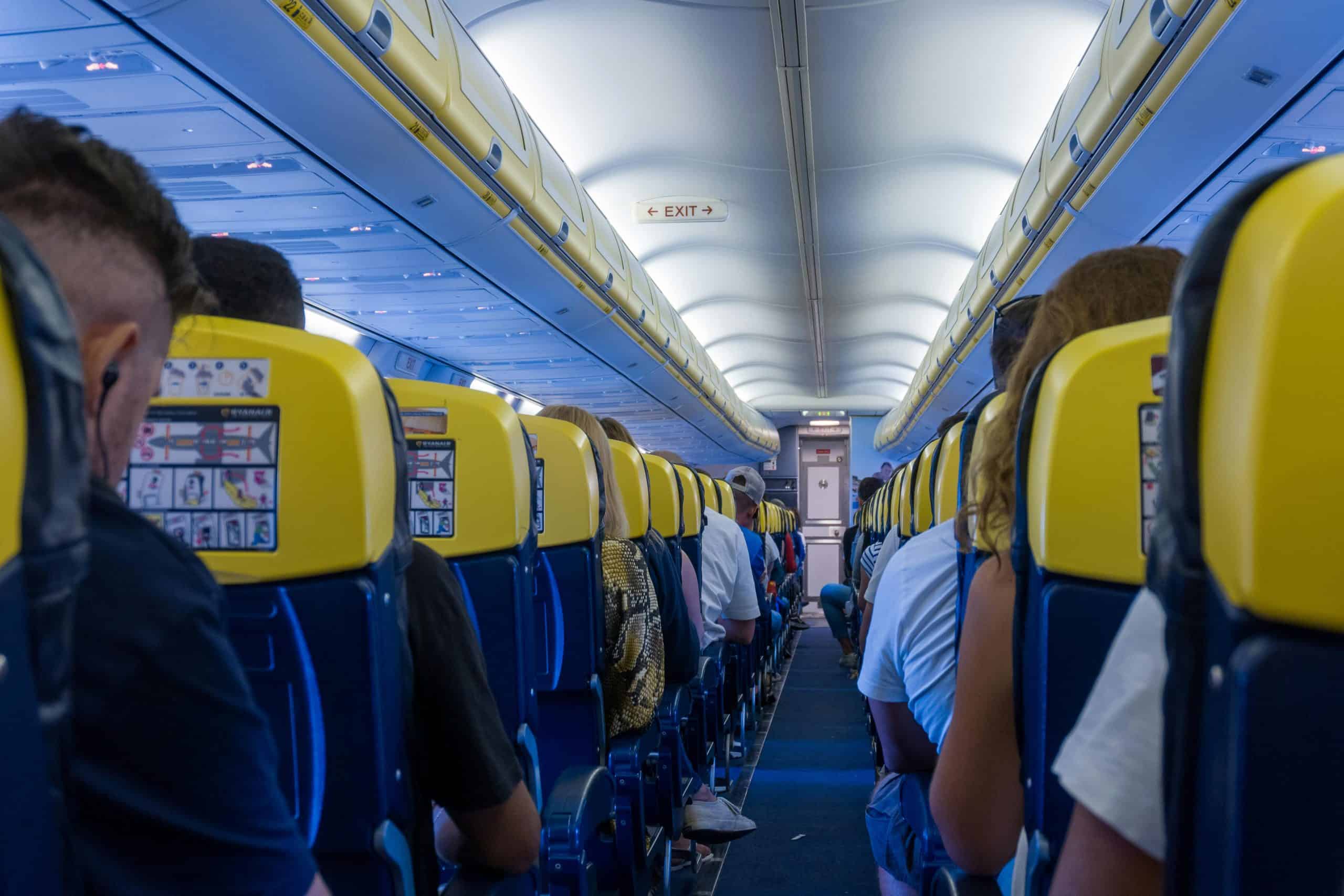
When the plane lands, passengers often stand and reach for the overhead bins before the aisle clears. Flight attendants recommend waiting until the row ahead has moved before retrieving bags. This keeps the aisle flowing and prevents bottlenecks that slow down the deplaning process.
Final Thoughts
Respecting overhead bin etiquette contributes to a more pleasant flying experience for all passengers. These simple practices, endorsed by flight attendants, help maintain order and reduce stress during boarding and deplaning. With a little awareness and courtesy, travelers can make shared cabin space work more efficiently.
 Don't stop here
Every Score. Every Story. One Home.
Breaking sports, entertainment and news from across the Total Apex network, updated all day.
Get the Full Story →