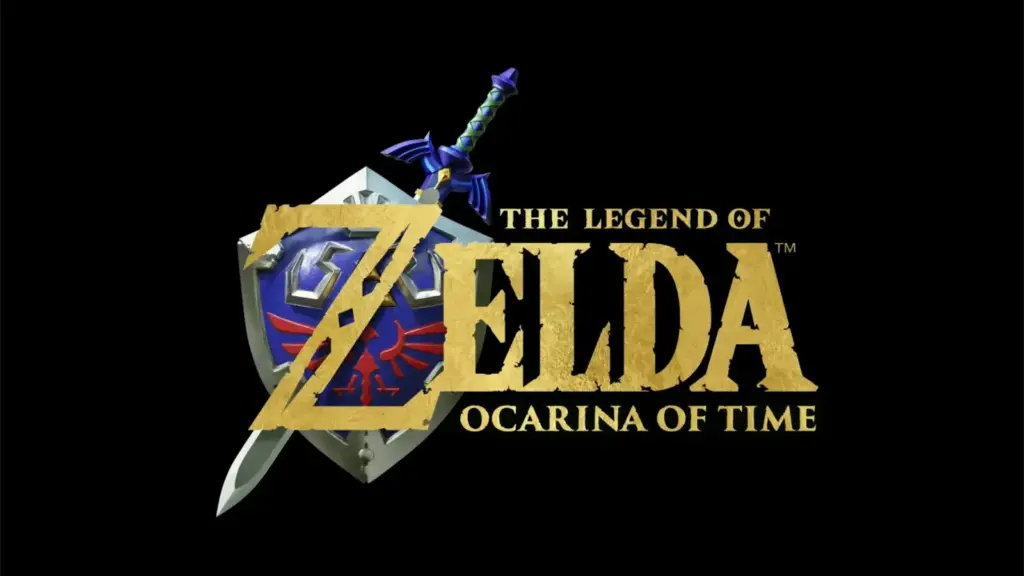
Nintendo has confirmed that Entertainment Planning & Development (EPD) Production Group No. 3 is the development team behind The Legend of Zelda: Ocarina of Time remake, ending months of fan speculation. The studio disclosed the information in Ask the Developer Vol. 24, a four-part interview series Nintendo began publishing Nov. 2, three days before the game launched on Nintendo Switch 2, according to IGN.
The confirmation settles one of the bigger open questions surrounding the remake: who actually built it. Nintendo-owned Monolith Soft had been floated as a possible lead developer, especially after a Norwegian retailer briefly listed the Xenoblade Chronicles studio as the game’s developer in September. Nintendo’s interview ruled that out, according to Polygon, though Monolith Soft later confirmed it played a supporting role. The 2011 Nintendo 3DS remake of the same game was handled by Grezzo, not Production Group No. 3, so this marks a second remake from a different team.
What Nintendo Confirmed About The Ocarina Of Time Remake Development Team
Production Group No. 3 and the Nintendo teams that came before it have worked on most Legend of Zelda projects over the past 30 years, according to IGN. Nintendo named longtime Zelda producer Eiji Aonuma, a former group manager of Production Group No. 3, and Hidemaro Fujibayashi, who directed Breath of the Wild and Tears of the Kingdom, as the producers overseeing the project.
The publisher also named four developers from within Production Group No. 3 working on the remake: HokWai Ng, Aya Shida, Hiroki Taguchi and Masato Ohashi. Ng directed the remake, his first time leading a Nintendo project, and Ohashi served as sound director.
Aonuma described handing creative control to the team rather than dictating the remake’s direction himself. “I wanted the team to make The Legend of Zelda: Ocarina of Time their own, and to follow through on their own ideas about what the game should be. That said, I did deliver my fair share of lectures along the way. (Laughs) I took a step back to observe how the younger members of the development team would reimagine The Legend of Zelda: Ocarina of Time using the insights and answers they had arrived at on their own,” Aonuma said in the Ask the Developer interview.
Fujibayashi echoed that approach, saying he stepped back to let the newer team members work through design decisions on their own. “For people like us, who know both the original The Legend of Zelda: Ocarina of Time and the recent 3D Legend of Zelda games, there’s no shortage of things we’d like to say when it comes to designing a game. (Laughs) That’s why I took a step back and supported the team from a broader perspective by helping them clarify the things they needed to be mindful of when designing the game,” he said.
What It Means For Fans
The reveal gives fans a clearer picture of who shaped the remake’s creative choices, including a design decision that almost changed how players move through Hyrule. According to Kotaku, the team initially added warp points beyond those found in the original 1998 game to speed up travel, an idea Aonuma himself proposed.
Aonuma said the idea came from watching players in the original game spam the forward roll to hurry across Hyrule Field. “I thought we needed to address this in this new version. So I asked the team to add warp points that didn’t exist in the original game, giving players access to shortcuts,” he said.
Playtesting changed that plan. “But when we actually tried playing the game with those warp points, we realized that we were missing out on the moments of discovery that came from stopping along the way and wondering, ‘Wait, what’s this?'” Aonuma said. “Through this development process, we were reminded once again just how important those moments are to the very structure of The Legend of Zelda: Ocarina of Time. So even though I was the one who proposed adding warp points, they just weren’t working for me in the end, so I got the team to take them all back out again. (Laughs)”
The finished remake ships without the added warp points, a reversal Aonuma framed as protecting the sense of discovery he sees as central to the game’s structure.
Background And Context
Nintendo‘s interview named the lead internal team and its key creative figures, not the full roster of partners who assisted. That picture filled in after launch, when Monolith Soft announced that it handled partial contract development on the remake’s game design, programming and graphics. The studio and some of its leadership also appear under Special Thanks in the game’s credits, according to Shacknews. Monolith Soft previously supported Nintendo on Breath of the Wild and Tears of the Kingdom.
Aonuma also told AFP in late October that he was nervous about how fans would respond to the finished remake, a comment that underscored the pressure facing a team revisiting one of the most acclaimed games in the franchise’s history. Early reviews suggest those nerves may have been unfounded, with IGN calling it an exceptional remake.
What’s Next
The Legend of Zelda: Ocarina of Time remake is available now on Nintendo Switch 2, priced at $59.99 for the digital edition and $69.99 for the physical edition.
 Don't stop here
Every Score. Every Story. One Home.
Breaking sports, entertainment and news from across the Total Apex network, updated all day.
Get the Full Story →