
Call of Duty Brings Killstreaks To Theaters in 2028

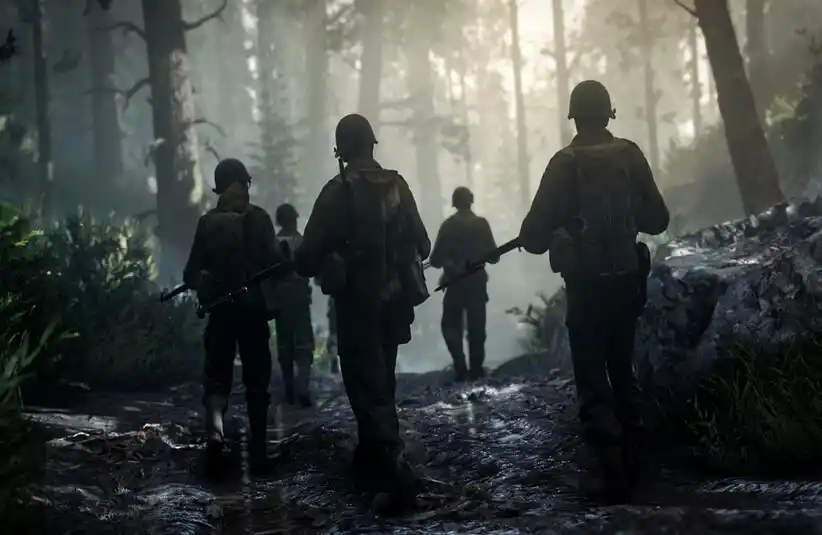
Call of Duty finally stomps onto the big screen with a live-action movie arriving June 30, 2028, and the announcement alone probably caused a few generals to salute their TV remotes. Activision teamed up with Paramount to bring the franchise to theaters, putting Peter Berg in the director’s chair while Taylor Sheridan handles writing and producing duties.
Gritty Realism Meets Ridiculous Explosions
Berg knows his way around military dramas thanks to Friday Night Lights and Deepwater Horizon, and Sheridan built a whole empire out of gritty, tough-guy television with Yellowstone and Landman. Has there ever been a more perfectly cast duo for a movie about soldiers yelling at each other between explosions? Call of Duty pulls in David Glasser from 101 Studios and Rob Kostich, who happens to be the president of Activision, as additional producers on this project.
The movie promises to thrill the massive global fan base by delivering everything fans love about the series, while also dragging in entirely new audiences who somehow missed the last twenty years of military shooter dominance. Paramount CEO David Ellison swore up and down that the team approaches this film with the same uncompromising commitment to excellence that guided Top Gun: Maverick, which means people expect jet flybys, sweaty brow acting, and at least one scene where a character says they are too old for this.
Call of Duty Finally Leaves Controllers Behind
Call of Duty hits theaters first as a proper theatrical release, which feels like a flex in an era where everything rushes straight to streaming. Paramount will eventually toss the movie onto Paramount Plus, but only after squeezing every last dollar out of ticket sales and overpriced popcorn. The studio clearly wants a franchise, not just a one-off tribute to virtual soldiers, so expect sequels, spin-offs, and probably a battle pass for the Blu-ray release.
A person has to wonder how the movie translates a first-person shooter into a coherent story without turning into two hours of shaky cam and screaming. Call of Duty games bounce between globe-trotting set pieces, stealth missions, and the occasional heartbreaking death of a character nobody remembers from three games ago. Berg and Sheridan face the impossible task of picking one tone, one protagonist, and one villain before the whole thing collapses into a montage of explosions and catchphrases.
Call of Duty Avoids Deep Character Studies
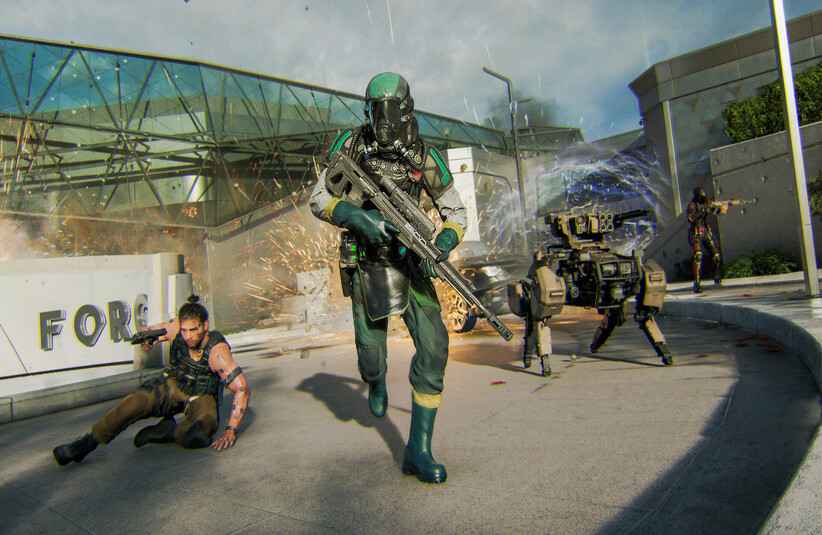
Call of Duty fans love to argue about which sub-series deserves the movie treatment most, whether the gritty original Modern Warfare trilogy, the Black Ops Cold War paranoia, or the jetpack chaos of the futuristic entries. The safer bet says the film borrows from everything, mashing up a ghost operator, a shadow company, and a Russian villain with a vague grudge against capitalism. Does anyone actually expect a deep character study from a movie based on a game where players teabag fallen enemies?
The 2028 release date puts the film a solid three years away, which gives Berg and Sheridan plenty of time to rewrite scripts, reshoot endings, and argue about how many times a character can say bravo six before it gets annoying. Call of Duty movies have been rumored for over a decade, so the fact that this one has actual names, a studio, and a release date feels like a minor miracle. Paramount clearly wants the same box-office magic that turned Top Gun: Maverick into a cultural event, except this time with more killstreaks and fewer volleyball scenes.
Cursed Art Form Breaks Best Directors
The movie needs to balance fan service with actual filmmaking, because nobody wants to watch a two-hour cutscene interrupted by someone yelling about capturing the hardpoint. Call of Duty thrives on ridiculous set pieces, over-the-top villains, and heroes who deliver one-liners right before detonating a nuke. Berg and Sheridan understand action and drama separately, but stitching them together for a video game adaptation remains a cursed art form that breaks even the best directors.
A person cannot help but wonder if the movie will include a scene where a character respawns after dying, or if the film commits fully to the gritty realism of permanent death and lengthy loading screens. Call of Duty fans expect certain rituals, like a sniper mission where the player misses the first shot, a vehicle chase through a collapsing city, and at least one betrayal from a friendly NPC. The filmmakers should probably avoid including a multiplayer lobby, because nothing kills box office momentum like a twelve-year-old screaming slurs over a headset.
Twenty Years Of Warfare On Shoulders
So that leaves the world waiting and wondering. Call of Duty marches into theaters on June 30, 2028, carrying the weight of two decades of virtual warfare on its shoulders. Berg and Sheridan hold the trigger, and Paramount hopes for an explosion, not a misfire. The movie could redefine video game adaptations, or it could become another forgettable shoot-em-up that fans pretend never happened.
Call of Duty deserves a film that understands why players keep coming back, not just the guns and the explosions, but the dumb, glorious chaos of it all. The theater seats will fill up either way, but only one outcome lets fans walk out smiling instead of sighing.
