

The Rod Stewart B-Side That Convinced DJs To Flip The Record Over—The Daily Earworm

In 1971, British rocker Rod Stewart released the first single from his soon-to-be hit album Every Picture Tells A Story entitled “Reason to Believe.” The cover of the Tim Hardin folk song climbed to #62 on the Billboard Hot 100 before something unusual happened: the popularity of the single’s B-side (the filler song on the other side of the phonograph record) overtook it. Today’s Daily Earworm takes a look at that B-side and tracks its meteoric rise to the top of the charts.
Flipping the Record Over
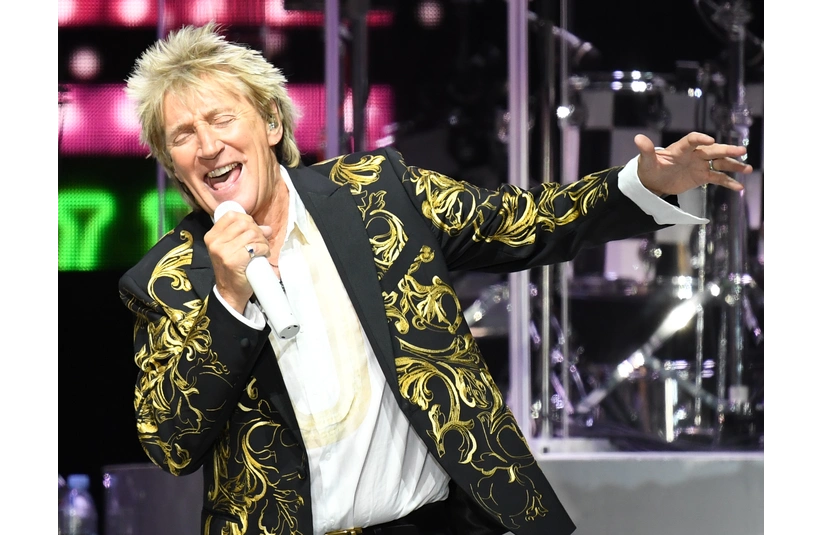
There has been a debate on where the change started. A Cleveland DJ claimed that he was the first to flip the 45 over, as did a Chicago DJ. Regardless of where it started, radio stations found that their listening audiences liked the B-side better. What was that filler song on the back? –It was the song that became Stewart’s signature hit, “Maggie May.”
Once DJs and radio listeners heard “Maggie May,” they couldn’t unhear it. Requests poured in to radio stations for the B-side, and radio stations got the message loud and clear. “Maggie May” soon overtook “Reason to Believe” on the Billboard Hot 100, and it eventually soared all the way to the top of the chart. “Reason to Believe” stayed on the Hot 100 for 16 total weeks, but it never climbed higher than #62. “Maggie May,” on the other hand, spent five weeks at #1 and 21 weeks on the chart.
The change didn’t just happen in the United States either. “Maggie May” spent 5 weeks at the top of the charts in the United Kingdom as well. It also spent four weeks at #1 in Australia, and a week atop the charts in Canada. It reached the Top 10 in a total of nine countries. The eventual double-single ended up being certified double-platinum in the United States, triple-platinum in New Zealand, and platinum in the UK.
The Origins of “Maggie May”
“Maggie May” was marketed as a B-side because Stewart’s record label, Mercury, did not have confidence in the song. Stewart liked the song, but as he was still trying to find his footing as a solo act at the time, he figured it was best to follow the advice of those who made a business of marketing talent, as he told the Wall Street Journal:
At first, I didn’t think much of “Maggie May”. I guess that’s because the record company didn’t believe in the song. I didn’t have much confidence then. I figured it was best to listen to the guys who knew better. What I learned is sometimes they do and sometimes they don’t.
— Rod Stewart, 2015 interview with the Wall Street Journal
Stewart wrote “Maggie May” about the older woman who, ahem, deflowered him at the 1961 Beaulieu Jazz Festival when he was just 16 years old. Contrary to what the song lyrics might suggest, Stewart’s experience was a one-time thing. There was no actual relationship. However, the song expresses the emotions a teenage boy might experience in a relationship with an older woman. The woman from the festival was not actually named Maggie May. Stewart borrowed that from the Maggie Mae mentioned in an old Liverpool folk song about a lady of the evening.
The Legacy of Rod Stewart’s “Maggie May”
“Maggie May” became the hit that cemented Stewart‘s success as a solo artist after spending the beginning of his musical career in groups like Faces, Shotgun Express, Steampacket, and the Jeff Beck Group. It was his first big hit, and his most enduring. While Stewart has added numerous other hits to his arsenal over the years, everyone at his live shows always waits to hear his raspy voice belt out “Wake up Maggie, I think I got somethin’ to say to you.”
