

The Daily Epic Earworm For December 23, 2025

Everyone gets songs stuck in their heads that just won’t go away. They sneak into your subconscious. They are epic earworms that you find yourself humming uncontrollably, singing in the shower, or tapping the beat to with your foot or ballpoint pen when you should be working. Sometimes they even keep you awake at night. Whether they are current hits, one-hit wonders, movie soundtrack gems, holiday favorites, or songs from your youth, their catchy vocals, riffs, hooks, and choruses seem to linger for days.
Here, those songs find a home, no matter the genre. Here, those epic earworms are revisited, explained, and celebrated. Here, you may find the song that haunts you tomorrow. Here is today’s unescapable song of the day…and the story behind it.
Today’s Epic Earworm: Soul Asylum — “Runaway Train”
In May of 1993, Soul Asylum released “Runaway Train” as the third single off of their wildly successful sixth album, entitled Grave Dancers Union. The song was a massive hit, charting in the Top Five in countries all over the world. In the U.S., the single found success on five different Billboard charts, and it was certified double-platinum. It also earned the band a Grammy for Best Rock Song at the ceremony the following year.
Making the Video
When it came time to make the music video for “Runaway Train,” Soul Asylum pitched the idea of splicing together footage of the band playing, photos of missing children, and scenes of children running away, being abused/trafficked, and being abducted. While Columbia initially vetoed the idea, they eventually relented. The band filmed three different versions of the video to be aired regionally across the United States with the help of the National Center for Missing and Exploited Children.
Similar videos were filmed for the UK and Australia. Each video contained information on a different set of missing children. The video ended with a phone number to call at the NCMEC if anyone had information on the missing children, or if you were one of them. The NCMEC later revived the video in 2019 and ran new versions of it. The new videos were designed to geographically track the viewer and show them missing children in their areas.
If you ever wondered if the video actually led to any of the children being found, it did—more than 20 of them in the U.S. alone. Unfortunately, the results were mixed. Some of the runaways did not want to be found, as they had escaped abusive homes. Some of them ended up forced back into those homes. Many families found out that their child had been killed. In the end, more than 20 families did get closure, and several arrests were made. Many of the missing youths in Australia were determined to have been victims of a serial killer named Ivan Milat, who was arrested shortly after the initial videos began airing there.
Not About the Kids
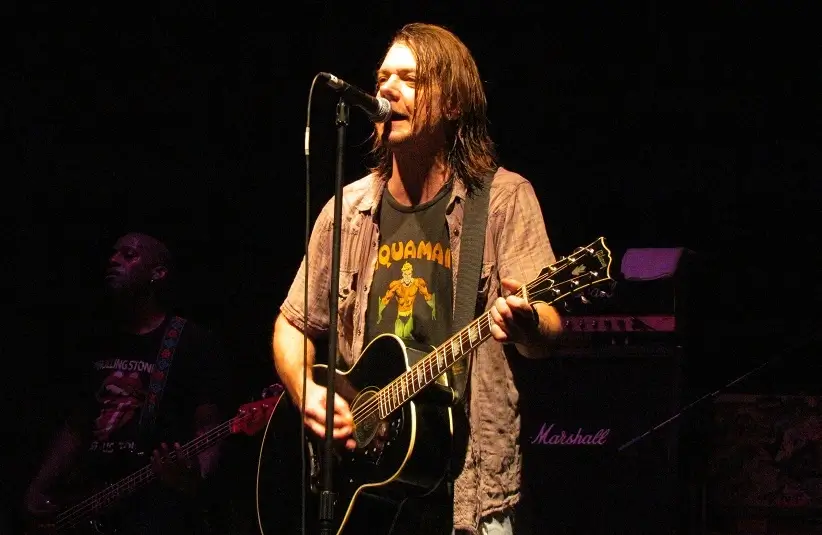
While the music video was a well-intended attempt to help during a time when the nation was dealing with what seemed like an epidemic of missing and exploited children, the song was not. The song was written by lead singer Dave Pirner during the lowest period of his life. Soul Asylum had been dropped by its record label, A&M Records, and had not yet found a new record deal. On top of the depression that he had developed over that, he was dealing with hearing loss that had come from a decade of playing small shows in loud clubs.
He wrote the song on an acoustic guitar in the midst of all that swirling through his head. The runaway train was his depression spinning out of control, and bits and pieces of his real-life story can be found throughout the song. Ironically, it was a practice tape of “Runaway Train” that eventually got Soul Asylum signed to Columbia Records.
