Top 10 TV Shows of the 20th Century

Before streaming services and peak TV, there were a handful of shows that kicked the door down and redefined what television could actually be. They weren’t just good—they were game-changers. Some made us laugh in totally new ways. Others got dark, weird, and surprisingly deep. A few even shifted how we saw the world. These are the shows that didn’t just break molds—they smashed them, danced on the pieces, and left something completely original behind.
1. The Twilight Zone (1959–1964)
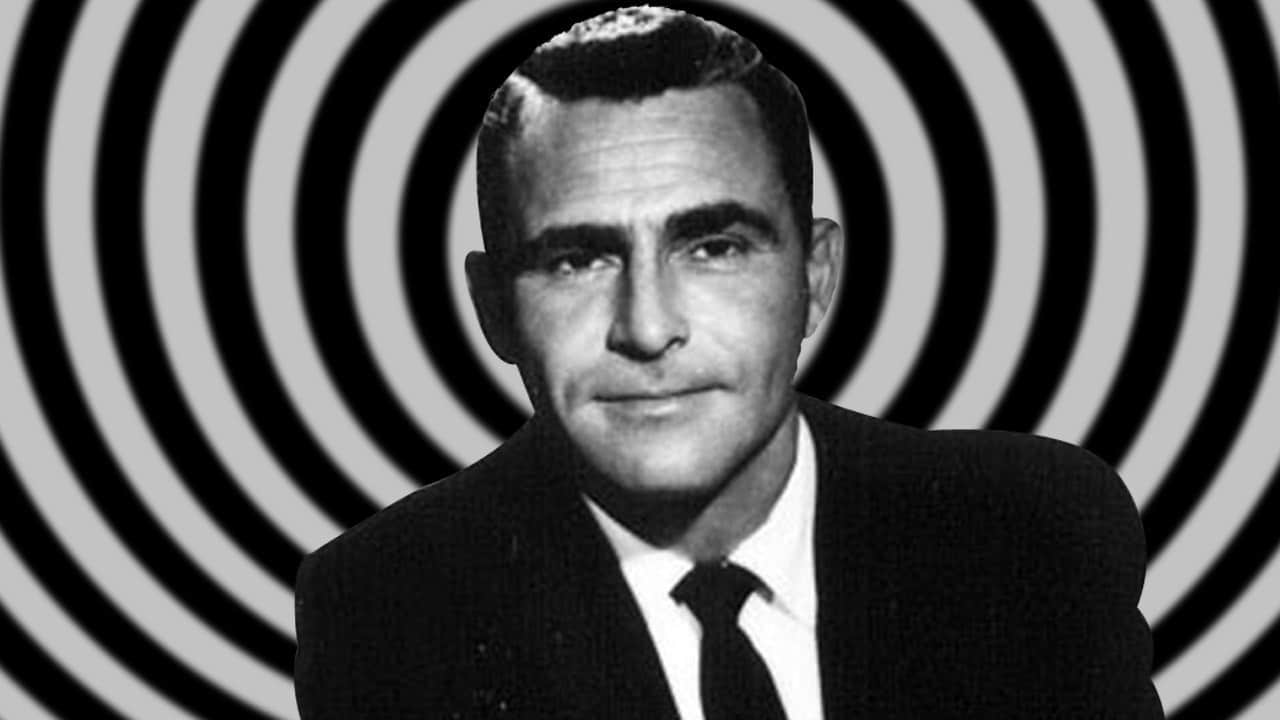
Let’s be real—The Twilight Zone wasn’t just ahead of its time. It was basically from another dimension. Every week, Rod Serling dropped you into a brand-new story with a fresh cast, a bizarre twist, and a gut-punch moral that made you question everything. It mixed sci-fi, horror, and surrealism, but underneath the aliens and time loops, it was all about us—our fears, our flaws, our future.
What made it so radical wasn’t just the storytelling (though that was top-tier). It was the fact that Serling used a genre show—on network TV in the ‘50s—to talk about racism, authoritarianism, nuclear war, conformity… you name it. And somehow, it didn’t feel preachy. It just hit you in the brain like, “Whoa. That was deep.” It paved the way for every bold, genre-bending show that came after.
2. I Love Lucy (1951–1957)
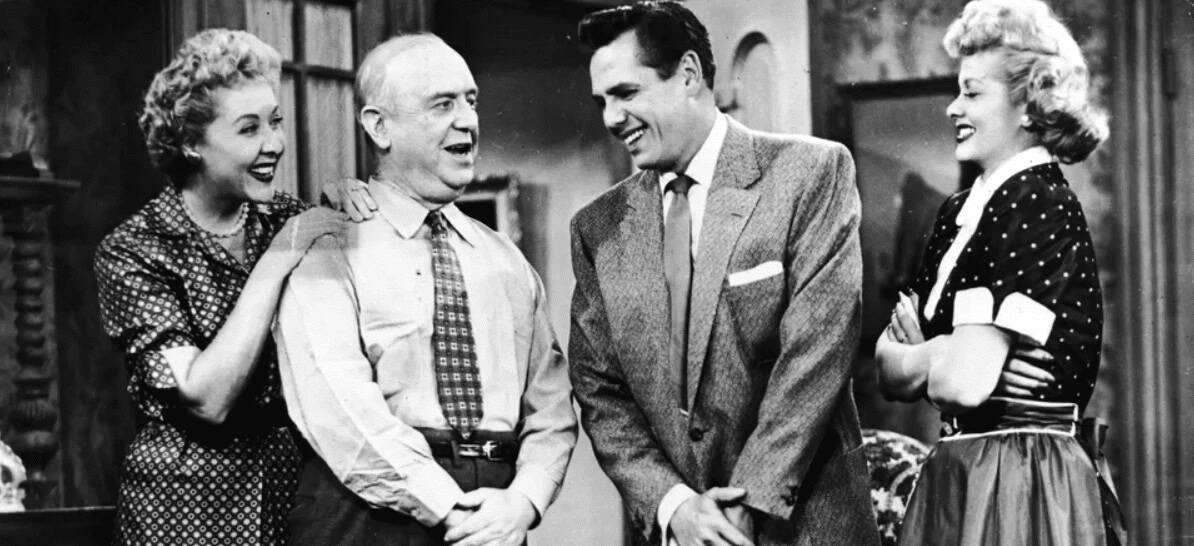
Everyone knows I Love Lucy is a classic, but people sometimes forget how revolutionary it was. Lucille Ball wasn’t just funny—she was a powerhouse. She turned her real-life pregnancy into one of the most-watched storylines on television. She co-founded Desilu Productions and basically invented the sitcom as we know it, with that live-audience, multi-camera setup.
But beyond the history-making stuff, the show just worked. Lucy Ricardo was a tornado of chaos in pearls, and watching her try to sneak into Ricky’s nightclub act (again) never got old. It’s rare that a show this old still feels so alive, but that’s Lucy for you. Her timing, her physical comedy—it’s all still gold.
3. MASH (1972–1983)*
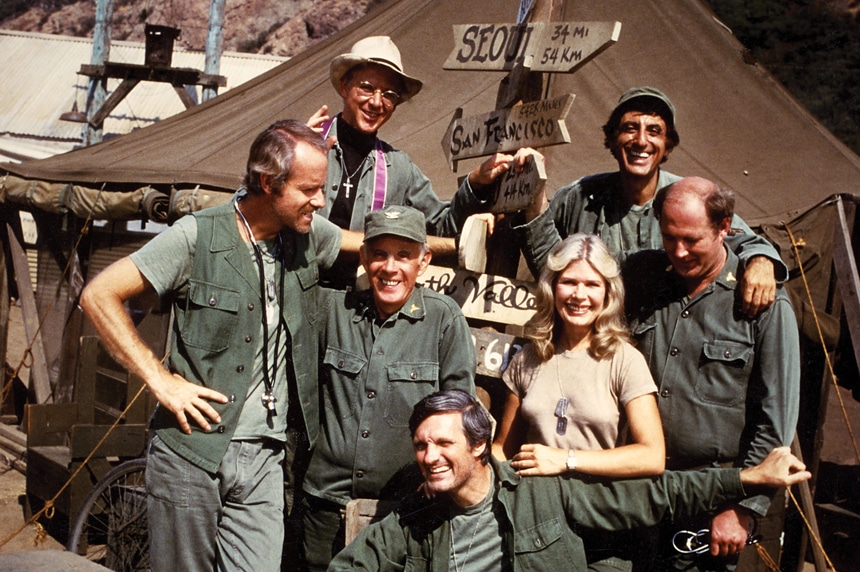
If you tried to explain MASH* to someone who’d never seen it—“So, it’s a sitcom about a mobile army surgical hospital during the Korean War, but also it’s a deeply emotional anti-war drama”—they’d probably look at you sideways. But that’s exactly what made it special. It balanced slapstick and trauma, absurdity and heartbreak, like nothing else on TV.
Alan Alda’s Hawkeye Pierce was the wisecracking moral compass at the center of it all, using humor to cope with the horrors of war. And the writing? It could shift from ridiculous to devastating in a single scene. The fact that over 100 million people watched the finale tells you everything—it wasn’t just a show, it was a cultural event. And its message? Still heartbreakingly relevant.
4. The Simpsons (1989–)
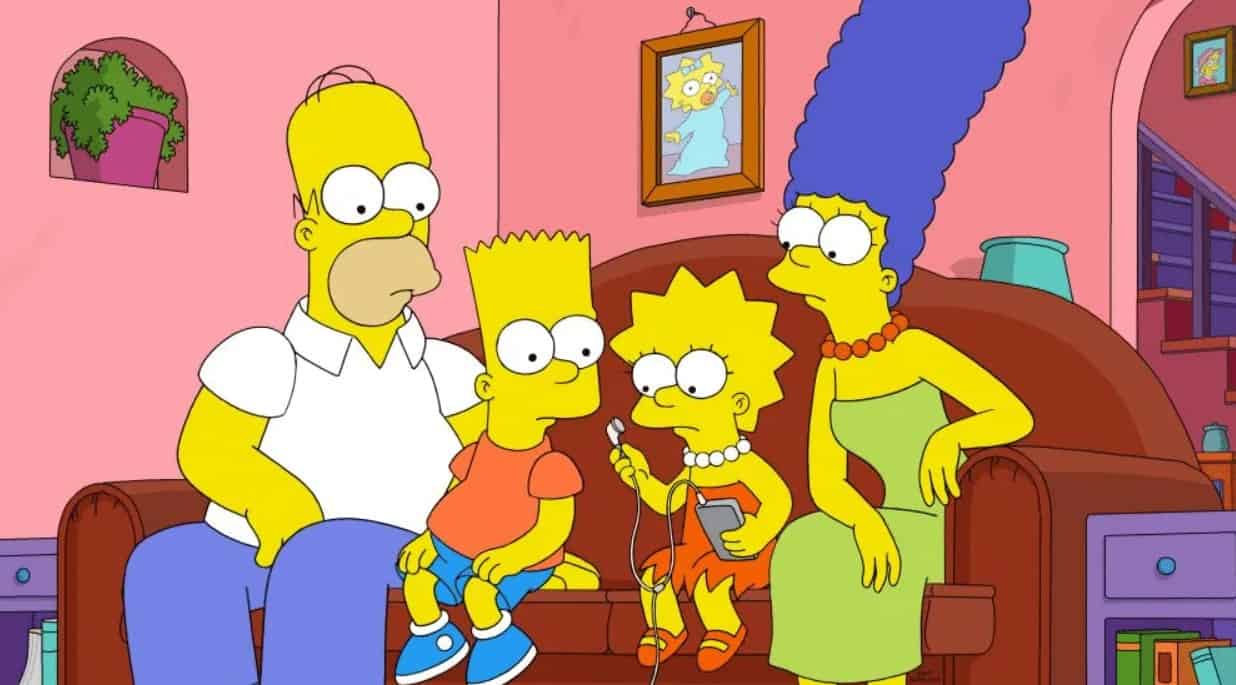
Okay, yes, The Simpsons technically started in the ’80s, but come on—the ‘90s were its golden age, and it absolutely belongs here. For a while, this show was unstoppable. Every week, it served up razor-sharp satire, absurd gags, and the kind of emotional undercurrent that somehow hit you right in the feels when you least expected it.
It wasn’t just funny—it was smart. It skewered politics, pop culture, religion, capitalism—nothing was safe. And the writing? Iconic. Lines like “Do it for her” or “I, for one, welcome our new insect overlords” didn’t just make us laugh—they became part of the cultural language. The Simpsons didn’t just change animated TV—it changed all of TV. Full stop.
5. The X-Files (1993–2002)
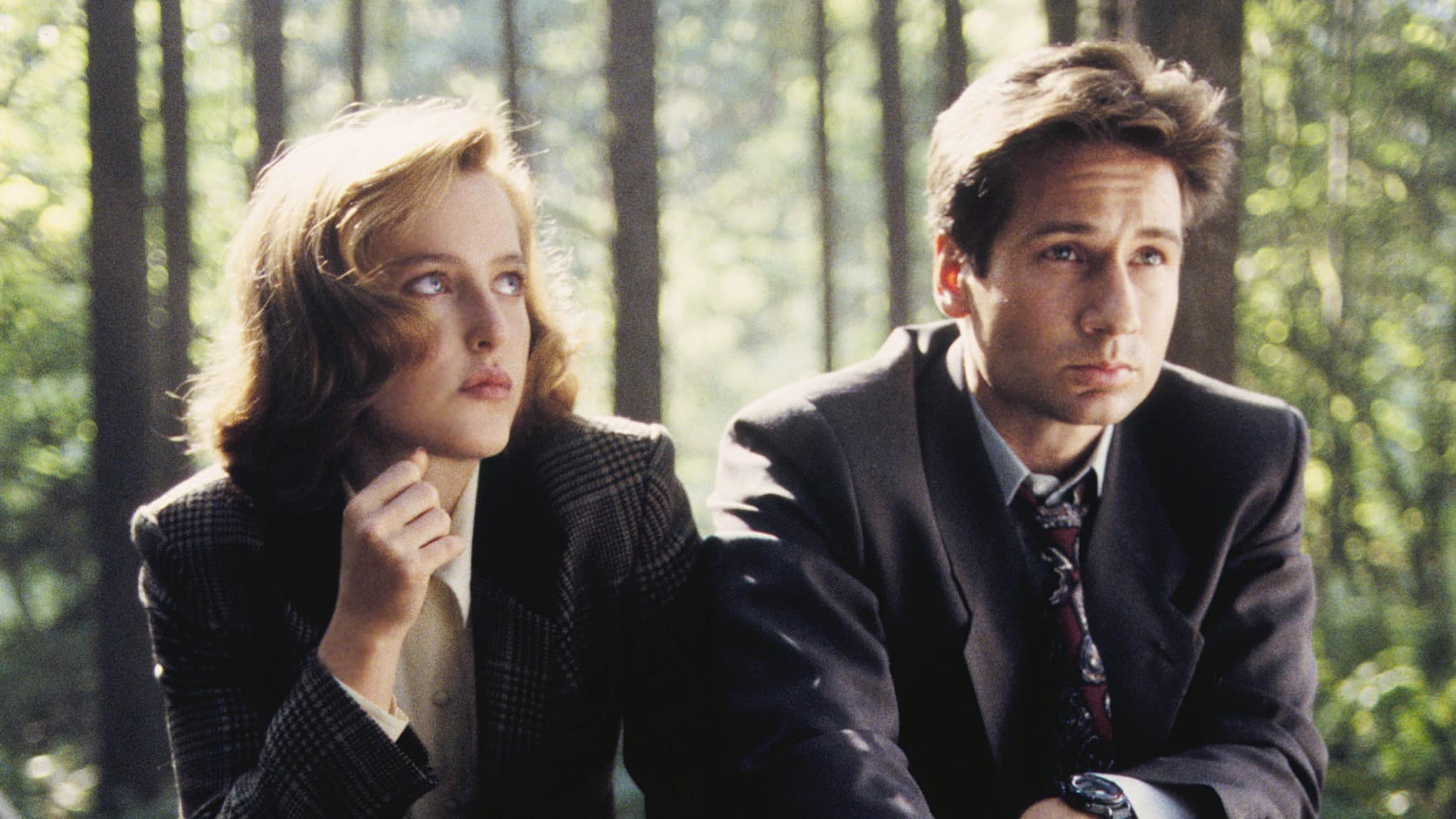
Here’s the thing about The X-Files: it made weird cool. It took paranormal investigations, creepy government cover-ups, and UFO lore, and turned it into a stylish, slow-burn procedural that somehow managed to be both spooky and addictive as hell. Mulder and Scully weren’t just great characters—they were the blueprint. Their chemistry, their back-and-forth, their will-they-won’t-they tension—it fueled the show as much as the monsters did.
What really made it work, though, was the atmosphere. It was moody, mysterious, a little grimy… but always just grounded enough to make you think, “Wait—what if this is real?” Every week felt like a deep dive into the unknown, and it kept you coming back for answers, even if you rarely got them. And let’s be honest—it launched a thousand conspiracy theory forums before that was even a thing.
6. Family Matters (1989–1998)
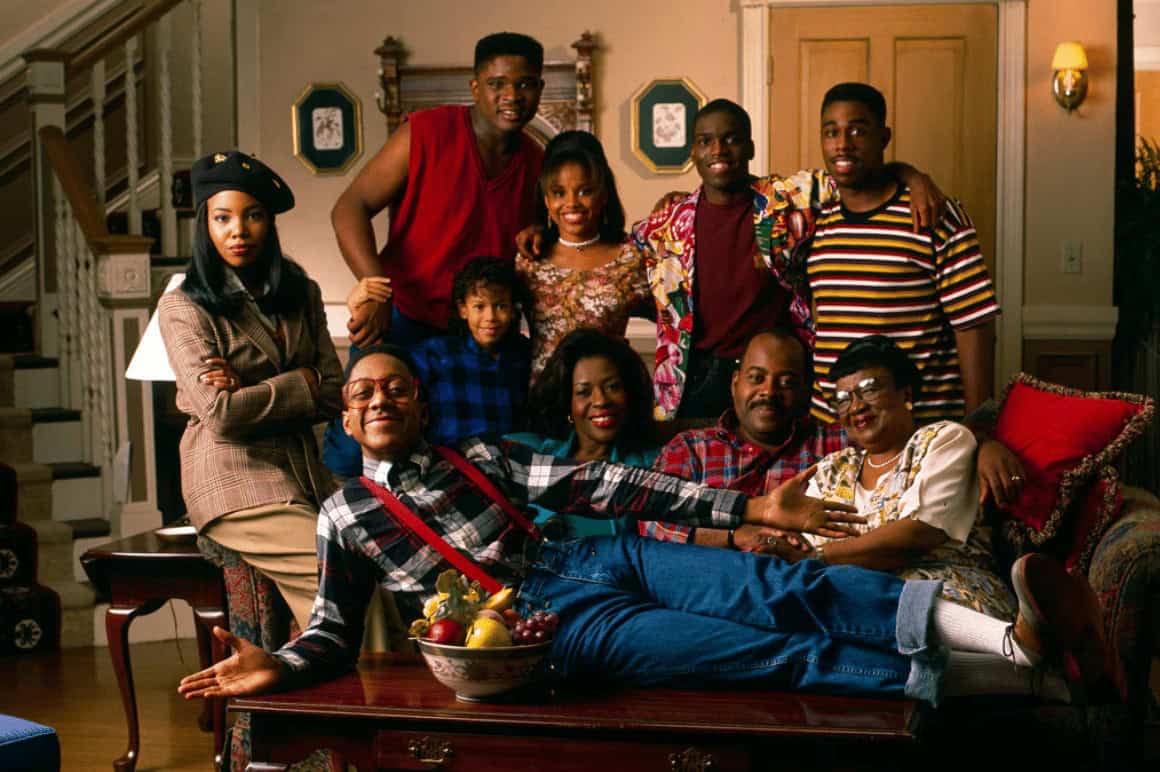
At first, Family Matters was just a solid family sitcom—a spin-off of Perfect Strangers, centered around the Winslow family in Chicago. But then came Steve Urkel. The suspenders-wearing, cheese-loving next-door neighbor turned cultural juggernaut took the show in a completely new direction, and somehow, it worked.
What made Family Matters stand out wasn’t just the catchphrases (“Did I do that?”), but the way it balanced goofball comedy with real heart. It tackled issues like racism, peer pressure, and police accountability without ever losing its charm. And through it all, the Winslows felt like a real family—one you wanted to spend time with every Friday night. It was funny, sweet, sometimes over-the-top, but always full of love.
7. Twin Peaks (1990–1991)
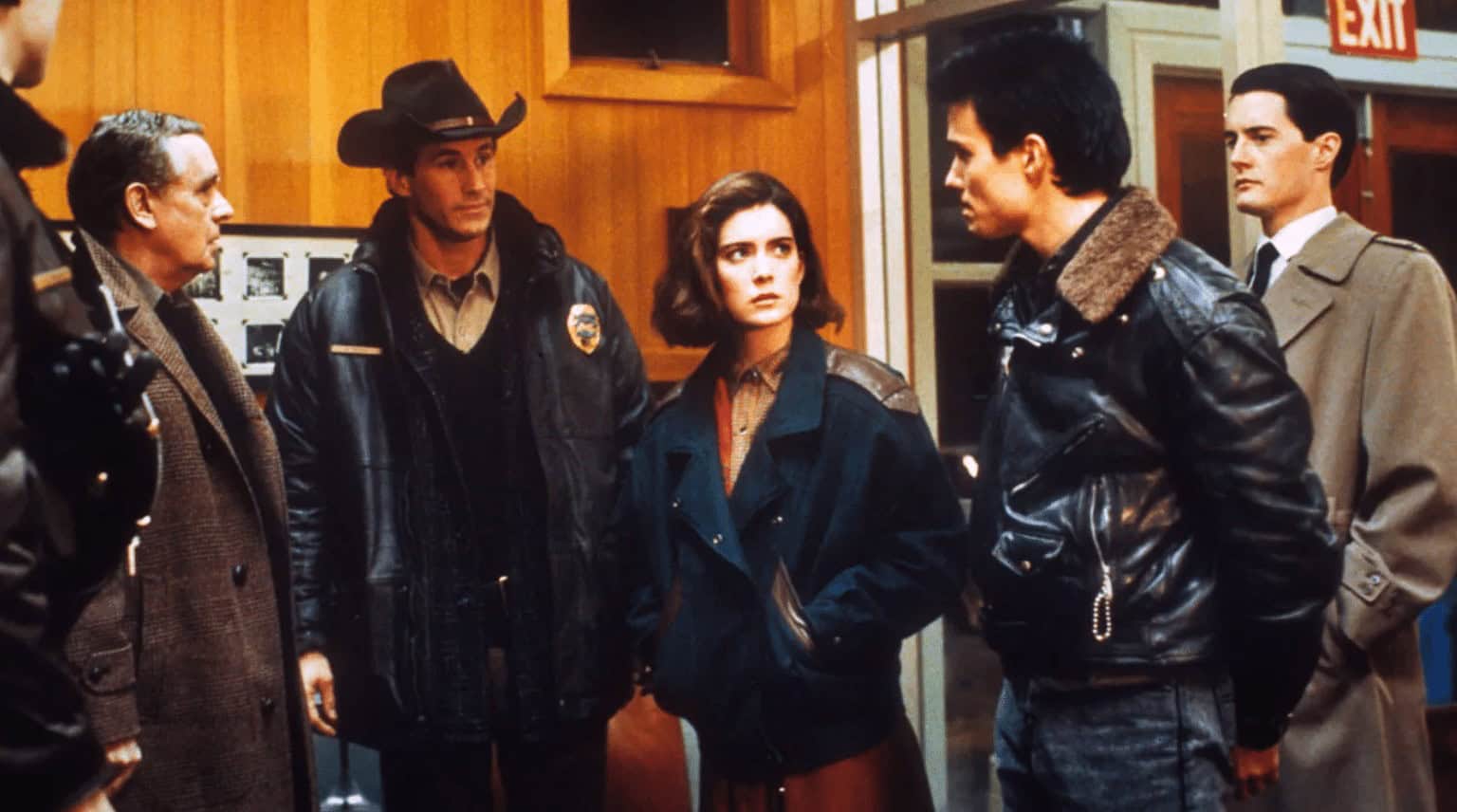
Twin Peaks was like watching a dream unravel in slow motion—sometimes beautiful, sometimes terrifying, always just a little off. On paper, it was a murder mystery in a small town. In reality, it was David Lynch pulling broadcast TV into the deep end of the pool and seeing who could swim. Spoiler: a lot of people just floated, confused and haunted—and totally hooked.
From the backwards-talking Man from Another Place to cherry pie and damn good coffee, Twin Peaks became a full-on vibe. It paved the way for shows like Lost, Fargo, and anything else that ever made you go, “Wait, what the hell did I just watch?” It only ran two seasons, but the impact? Massive. The ripple effects are still being felt today.
8. The Fresh Prince of Bel-Air (1990–1996)
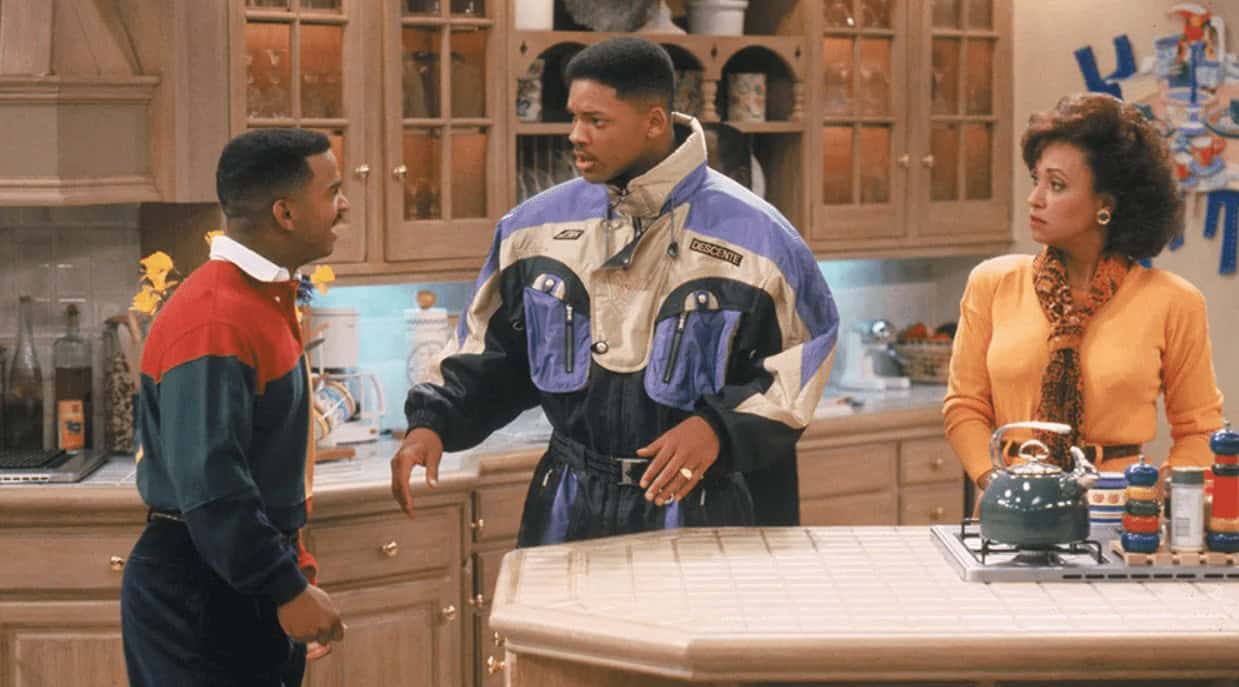
You could write this off as just a funny fish-out-of-water sitcom, but Fresh Prince was way more than that. It brought hip-hop swagger into prime-time suburbia and made it feel totally natural. Will Smith’s charisma was off the charts from day one—but what made the show stick was how it could shift from jokes to realness in the blink of an eye.
When it got serious, it really got serious. That scene where Will breaks down over his dad? Still one of the most gut-wrenching things ever aired on a sitcom. It was stylish, hilarious, and quietly revolutionary in how it portrayed Black family life on mainstream TV—with depth, dignity, and a whole lot of heart.
9. Seinfeld (1989–1998)
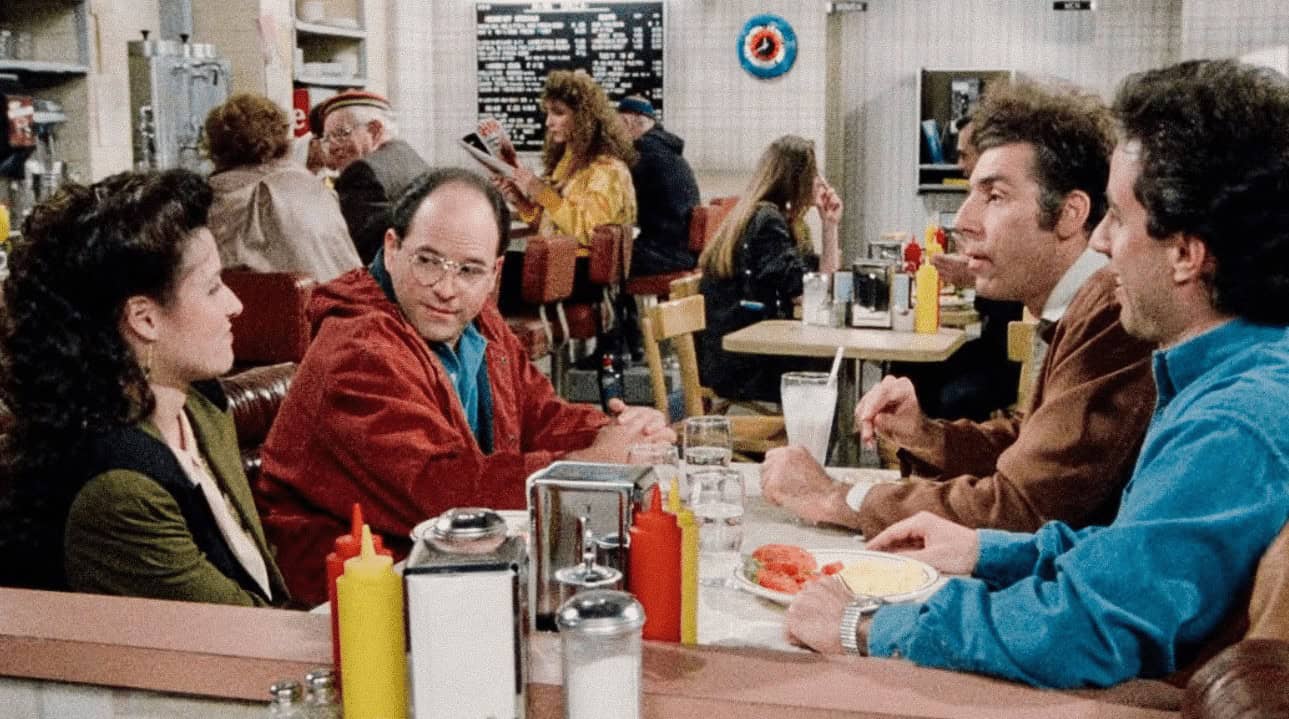
There was a time when sitcoms ended with hugs and lessons. Then Seinfeld came along and said, “Nah.” This was the show about nothing—and it turned that into everything. Petty grievances, awkward encounters, obsessive routines—Seinfeld made the small stuff hilarious by leaning all the way into it.
Jerry, Elaine, George, and Kramer were all kind of terrible people, but you loved them anyway. The writing was airtight. The pacing was unreal. And the quotability? Off the charts. “No soup for you.” “These pretzels are making me thirsty.” “Master of your domain.” It became a cultural lexicon. And it proved that being different—being kind of mean and weird and neurotic—could still be comedy gold.
10. Star Trek (1966–1969)
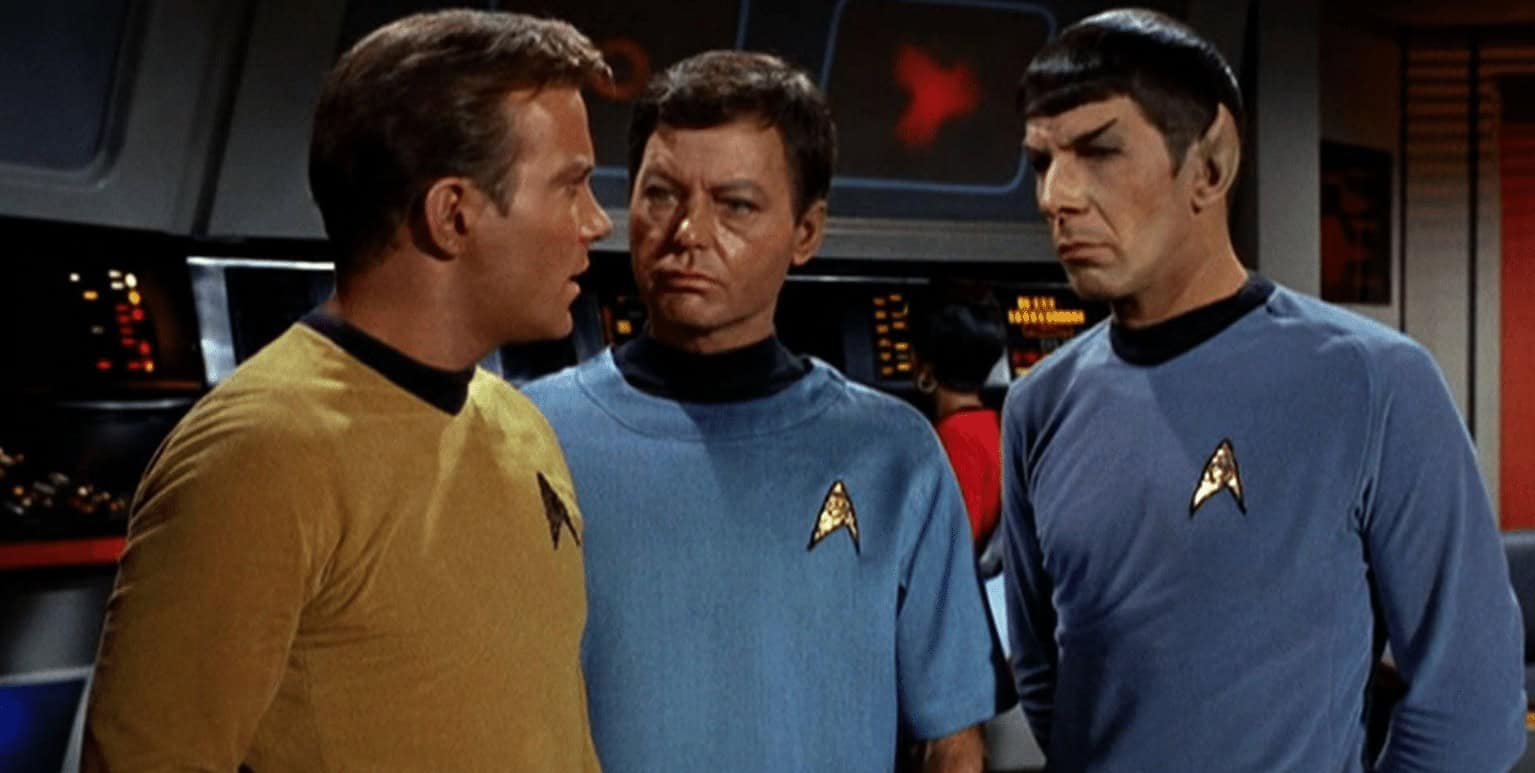
In just three short seasons, Star Trek built an entire universe—and a hopeful one at that. While most sci-fi at the time focused on aliens-as-enemies or post-apocalyptic doom, Star Trek imagined a future where humanity figured its stuff out. Racial harmony, global unity, exploring the galaxy just because… it was radical optimism in a turbulent time.
And let’s not overlook how groundbreaking it was: a diverse cast, a Black female officer, a Japanese pilot, even TV’s first interracial kiss. It wasn’t just talking about progress—it was showing it. Sure, the effects were cheesy and the costumes looked like pajama sets, but the ideas? Way ahead of their time. It inspired generations of fans, creators, scientists—even astronauts.
Final Thoughts
TV in the 20th century wasn’t just finding its voice—it was shouting it from the rooftops. These shows didn’t play it safe. They challenged norms, shifted genres, and built entire blueprints that today’s creators still follow (or try to). Some were hilarious. Some were haunting. A few were flat-out weird. But they all had one thing in common: they left a mark you can still feel today.
Whether you grew up with them or discovered them decades later, these shows prove that great TV doesn’t age—it echoes.