
Unveiling the Brilliant 2026 International Booker Prize Shortlist


The longlist has finally been whittled down, and the 2026 International Booker Prize shortlist is here—six books that refuse to sit quietly, six stories that crack open history, identity, brutality, and the strange tenderness that survives in the margins. This year’s Booker shortlist is a reminder that literature in translation isn’t just a window into other worlds—it’s a confrontation with the ones we’d rather not look at too closely.
These six titles stretch across continents, languages, and decades, yet they hum with the same electric charge: people fighting to stay human in systems designed to crush them. The judges call the list “energising,” even with all its heartbreak and violence—and they’re right. These books don’t just linger; they haunt.
The 2026 Shortlist: 6 Books Peaking Into Other Worlds
1.) “The Nights Are Quiet in Tehran” by Shida Bazyar — Translated by Ruth Martin
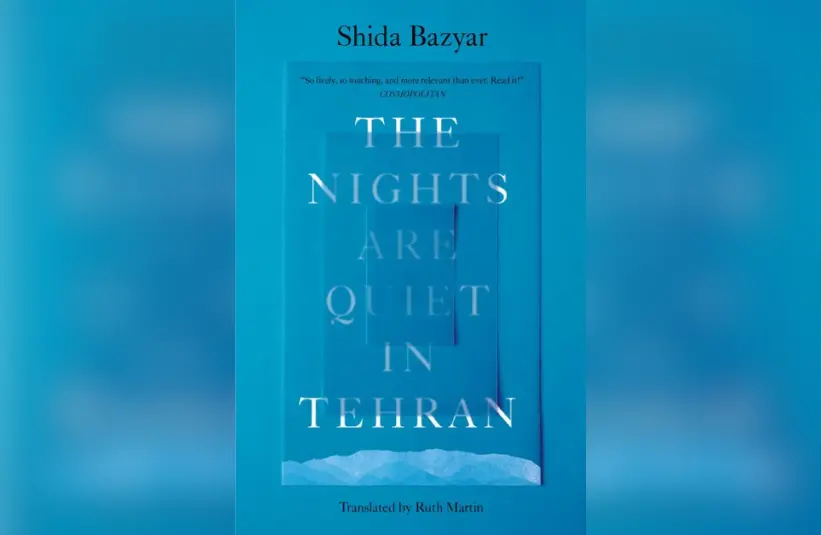
A polyphonic novel spanning four decades, “The Nights Are Quiet in Tehran” follows an Iranian family as revolution, repression, and exile tear their lives into pieces. Bazyar’s characters move between Tehran and Germany, carrying the weight of political trauma and the ache of a home that no longer exists. The Booker judges praise its “timely, tender, political” storytelling, and Martin’s translation captures the novel’s shifting voices with remarkable intimacy.
This is one of two debut novels on the shortlist, but it reads with the confidence of a writer who understands how history burrows into the body. It’s a book about survival, yes—but also about the dream of freedom that refuses to die, even when everything else does.
2.) “She Who Remains” by Rene Karabash — Translated by Izidora Angel
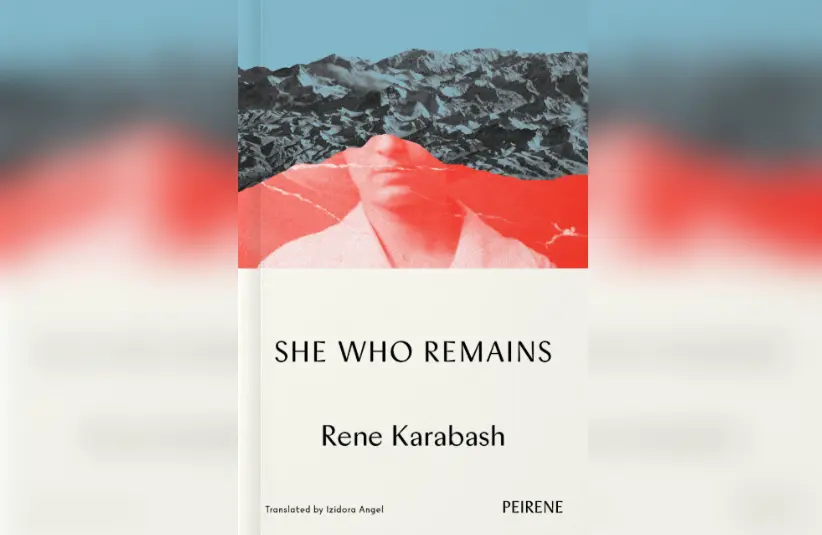
Set in the strict patriarchal world of the Albanian Alps, “She Who Remains” follows a teenager who escapes an arranged marriage by becoming a sworn virgin—renouncing her womanhood to live as a man. What unfolds is a poetic, breathless exploration of gender, identity, and the violence of tradition. Karabash wrote the novel in a kind of fever, letting the voice pour out without edits, and you can feel that rawness on every page.
Angel’s translation carries the book’s Balkan rhythms and emotional ferocity, making it one of the most stylistically daring works on the Booker shortlist. It’s fable-like, mythic, and devastating—a story that refuses to let you look away.
3.) “The Director” by Daniel Kehlmann — Translated by Ross Benjamin

Kehlmann’s novel drops us into Nazi-controlled Europe, following real-life filmmaker G.W. Pabst as he returns from Hollywood and becomes entangled in the machinery of fascism. It’s a story about moral compromise—not the dramatic kind, but the small, slippery decisions that accumulate until a person can no longer recognize themselves.
The judges describe it as “audacious and sparklingly comic,” which feels almost impossible given the subject matter, but Kehlmann pulls it off. Benjamin’s translation leans into the cinematic structure—cuts, dissolves, tilts—making the book feel like a film unspooling in real time. It’s unsettling, ambiguous, and one of the most technically inventive books on the shortlist.
4.) “On Earth As It Is Beneath” by Ana Paula Maia — Translated by Padma Viswanathan
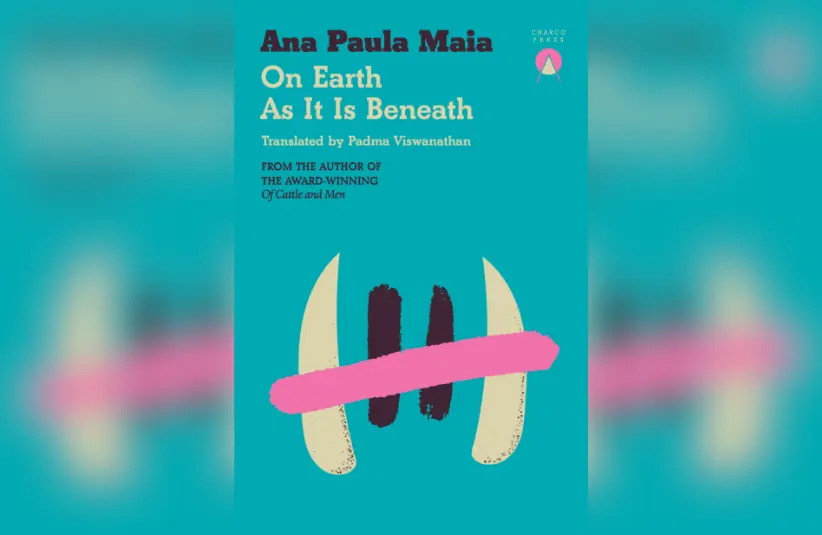
At just over 100 pages, this novella hits like a hammer. Set in a brutal Brazilian penal colony built on land scarred by slavery, “On Earth As It Is Beneath” is a descent into a world where justice has collapsed into pure cruelty. Maia’s prose is spare but lyrical, and Viswanathan’s translation preserves the book’s biblical cadence and its relentless sense of doom.
The Booker judges call it “brutal, haunting and hypnotic,” and they’re not exaggerating. This is a story about the cycles of violence that echo across generations—and the way institutions can become prisons long before the walls go up.
5.) “The Witch” by Marie NDiaye — Translated by Jordan Stump
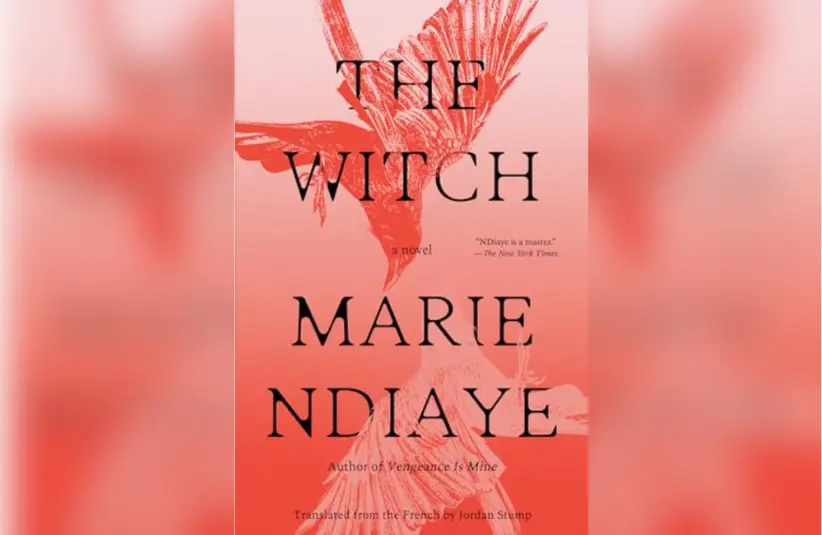
Originally published in French nearly 30 years ago, “The Witch” finally arrives in English—and it’s worth the wait. NDiaye gives us Lucie, an unremarkable woman in a failing marriage who happens to be a witch, though not a very good one. Her twin daughters inherit her powers and quickly surpass her, setting off a darkly comic, unsettling exploration of motherhood, magic, and the quiet tragedies of suburban life.
Stump’s translation captures NDiaye’s slippery, uncanny voice—a blend of the banal and the supernatural that feels both familiar and deeply strange. It’s one of the most psychologically rich novels on the Booker shortlist.
6.) “Taiwan Travelogue” by Yáng Shuāng-zǐ — Translated by Lin King
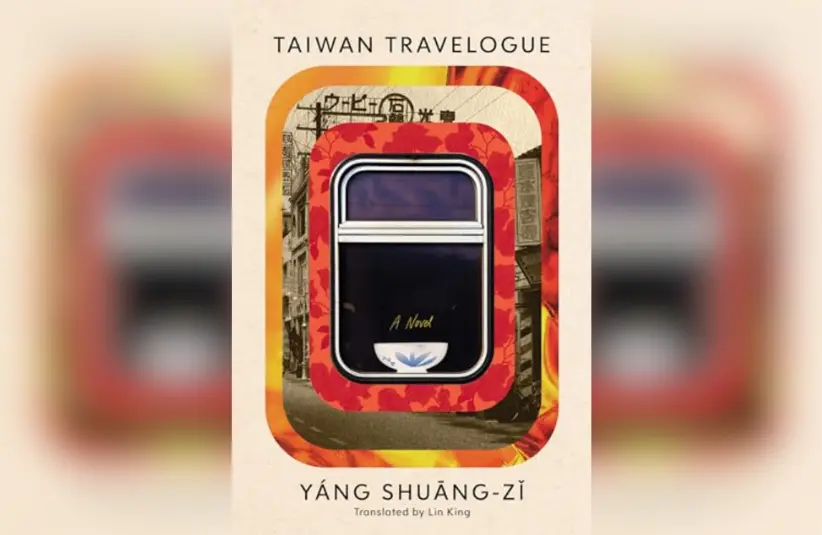
Presented as a fictional historical memoir, “Taiwan Travelogue” follows a Japanese novelist touring 1930s Taiwan with a local interpreter who shares her love of food. What begins as a culinary journey becomes a layered exploration of colonialism, queer desire, and the complicated nostalgia that lingers in places shaped by empire.
King’s translation—already a National Book Award winner—balances humor, romance, and political tension with remarkable grace. The Booker judges call it “an insightful post-colonial novel that reads like a delicious romance,” and honestly, that’s exactly right.
A Shortlist That Refuses to Look Away
This year’s Booker shortlist spans eight countries, five languages, and a century of global upheaval. Five of the six authors are women, and the list is dominated by independent publishers—proof that some of the most daring, necessary literature is happening far from the mainstream.
The winner will be announced on May 19, 2026, but honestly? Any one of these books could take the prize. They’re bold. They’re unsettling. They’re alive.
And they remind us why we read translated fiction in the first place: to see the world more clearly, even when it hurts.
Author
