
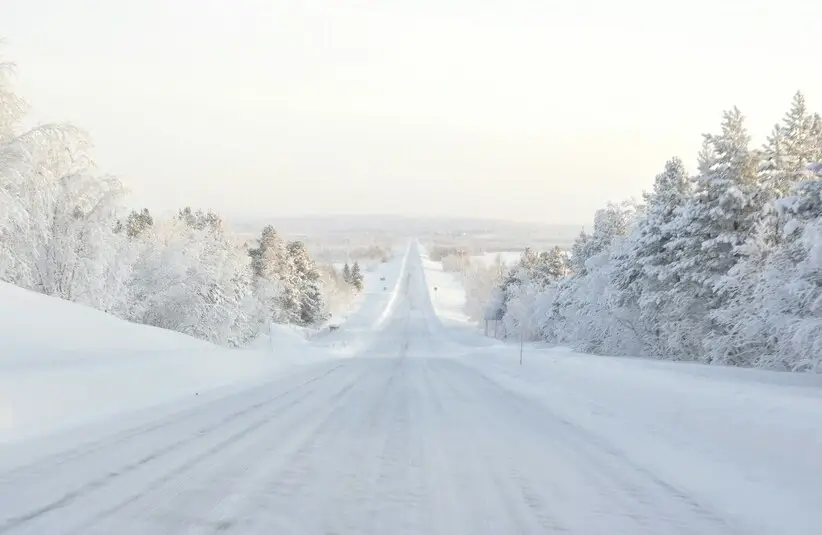
Winter Travel Safety Tips for Snowy Roads

Winter roads present unique challenges for drivers. Snow, ice, and reduced visibility can transform a routine drive into a hazardous journey, especially during peak travel seasons. With preparation and caution, however, you can significantly improve your safety and confidence on snowy roads. Here are the top 5 winter travel safety tips to help you navigate snowy conditions with confidence and care.
Top 5 Winter Travel Safe Driving Tips
1.) Prepare Your Vehicle Before You Go
Before hitting snowy roads, it’s essential to ensure your vehicle is winter-ready. The U.S. National Highway Traffic Safety Administration (NHTSA) emphasizes the importance of checking your tires, fluids, lights, battery, and windshield wipers as part of winter preparation. They also recommend stocking your vehicle with emergency supplies such as a snow shovel, ice scraper, jumper cables, blankets, and food and water in case you become stranded.
Additionally, maintaining proper tire inflation and checking that the tread depth is sufficient can improve traction on snow and ice. Consider installing winter tires if your region sees frequent or heavy snowfall—they’re designed for better grip in cold conditions.
2.) Slow Down and Adjust Your Driving Habits
Snow and ice reduce traction, making stopping and turning more difficult. Both NHTSA and AAA advise drivers to reduce speed and increase following distance to allow more time to react to changing road conditions. AAA notes that even four-wheel drive vehicles stop no faster than two-wheel-drive vehicles in slick conditions, so maintaining a slower speed and smooth driving inputs is key. Avoid sudden braking, rapid acceleration, or sharp turns, and don’t use cruise control on snow or ice, as this can impair your ability to respond quickly.
3.) Keep a Winter Emergency Kit in Your Car
Carrying a well-stocked emergency kit can make a big difference if you get stuck or stranded during your winter travel. NHTSA suggests items like a flashlight with extra batteries, road flares or warning triangles, blankets, water, high-energy snacks, and any prescription medications you might need. AAA also recommends including warm clothing, gloves, boots, and a first aid kit. If your car stalls in cold weather, having these supplies on hand can help keep you safe and warm until help arrives.
4.) Check Weather and Road Conditions Before Departure
Planning ahead can help you avoid the worst winter weather. Check local weather forecasts and traffic updates before leaving home. If conditions are severe, consider postponing non-essential winter travel. Officials often warn that snow squalls and whiteout conditions can reduce visibility rapidly and make even short trips dangerous. If you must travel, let someone know your planned route and expected arrival time. This simple step can assist emergency responders in locating you if you encounter trouble on the road.
5.) Know How to Handle Skids and Black Ice
Skidding is a common risk on snowy and icy roads. If your vehicle begins to skid, don’t slam on the brakes. Instead, gently ease off the accelerator and steer in the direction you want to go, as recommended by AAA and other safety authorities. Be especially cautious on bridges, overpasses, and shaded areas, which tend to freeze before other sections of the road. Black ice—thin, transparent ice that blends with the pavement—can be particularly treacherous because it’s hard to see. Drive with extra caution in these areas, and assume the road is icy whenever temperatures are near or below freezing.
Final Thoughts
Winter travel can be unpredictable, but with the right preparation, mindset, and these 5 safe driving tips, you can significantly reduce your risk on snowy roads. Always prioritize safety over speed, keep your vehicle well-maintained, and stay informed about current conditions before you hit the road.