
(Despite the Travel Chaos) The Places TikTok Has Completely Ruined — And Why People Still Go Anyway

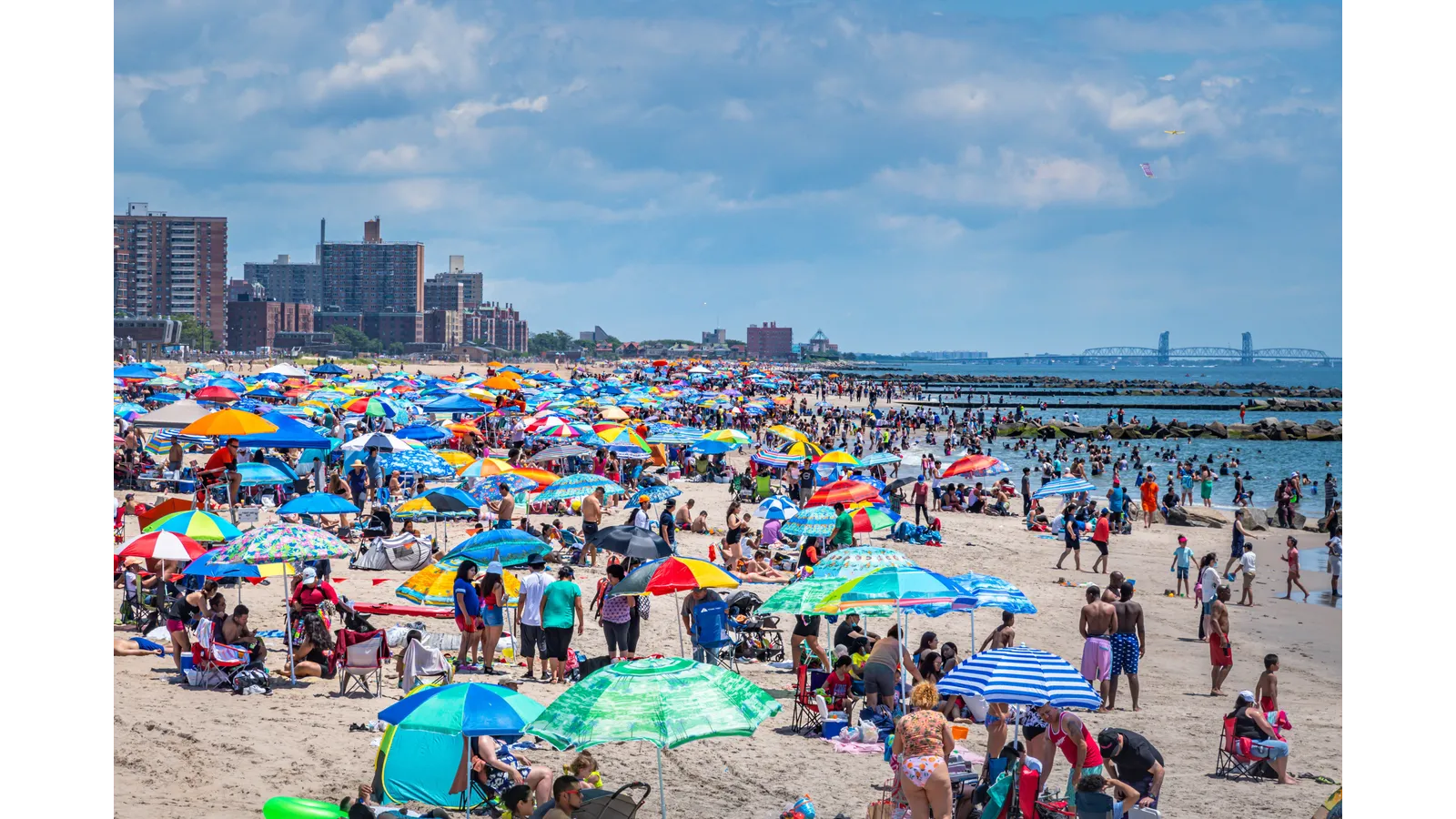
TikTok has a special talent: it can take a quiet, peaceful destination and turn it into full‑blown travel chaos in about six seconds. One viral clip, one dramatic transition, one influencer pretending they “just stumbled upon” a place they clearly researched for three weeks, and suddenly the world is booking flights, packing ring lights, and sprinting toward a location that was never meant to handle more than twelve visitors at a time. It’s the purest form of travel chaos, and honestly, watching it unfold feels like witnessing a nature documentary about humans losing their minds in real time.
How TikTok Turns Normal Places Into Overcrowded Nightmares
The formula is simple: someone posts a video of a waterfall, a beach, a random alleyway with good lighting, or a rock shaped vaguely like a heart. The video blows up. Millions of people save it. And within days, that once‑quiet spot is drowning in tourists who all want the exact same shot.
The problem? TikTok doesn’t show the parking lot meltdown, the hour‑long line to take a photo, or the fact that the “hidden gem” is now about as hidden as Times Square. It’s all aesthetic, no reality. And when people show up expecting magic, they get… well, humanity. Loud, sweaty, impatient humanity.
But here’s the twist: even when people know a place is overcrowded, they still go. They still want the moment, the photo, the bragging rights. It’s like we’ve collectively agreed that suffering through a crowd is just part of the modern travel experience.
The Psychology Behind the Travel Chaos
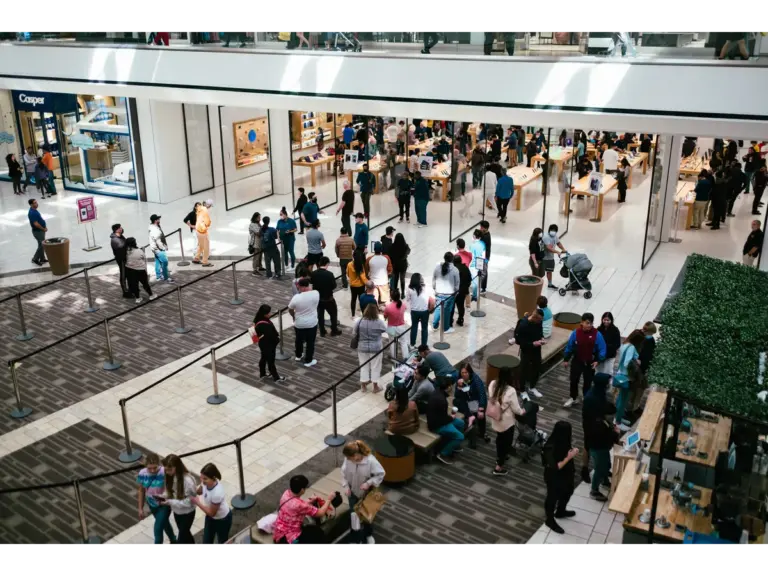
There’s something strangely emotional about chasing a place you saw online. TikTok makes everything look cinematic; even spots that are, in real life, aggressively average. It taps into that little voice that says, “Maybe it’ll be magical for me.” Spoiler: it usually isn’t, but hope is a powerful thing.
And then there’s FOMO. TikTok has weaponized it. If a place is trending, people feel like they have to go before the moment passes. It doesn’t matter if the destination is overcrowded, overpriced, or objectively underwhelming. The internet said it’s cool, so it must be.
This is how you end up with thousands of people hiking to a cliff that can barely fit ten, or crowding a tiny café that was never prepared for global fame. It’s not logic, it’s emotion mixed with a sprinkle of delusion.
The Real‑World Consequences of Viral Travel
Some destinations have been hit so hard by TikTok fame that locals are begging people to stop coming. Beaches erode. Trails collapse. Small towns get overwhelmed by traffic, trash, and influencers doing dramatic slow‑motion spins in the middle of the street.
And yet, the crowds keep coming.
It’s not that people don’t care, it’s that TikTok makes everything feel urgent. “Go now before it’s ruined,” people say, not realizing they are the ones doing the ruining. It’s the ultimate irony of travel chaos: everyone wants the untouched version of a place, but no one wants to be the person who stays home to protect it.
Why People Still Show Up Anyway
Even with the chaos, even with the crowds, even with the disappointment of travel chaos, people still go because TikTok gives them a feeling, that spark of excitement, that sense of possibility, that moment where the world looks a little bigger and a little brighter.
And yes? That’s human. We want wonder. We want beauty. We want to feel something. Even if it means standing in a line of fifty people waiting to take the same photo of the same rock at the same angle.
TikTok may ruin places, but it also reminds people that the world is worth exploring, even if the experience ends up being more chaotic than cinematic, a perfect picture of modern travel chaos.
A Travel Chaos Cycle That Isn’t Ending Anytime Soon
As long as TikTok exists, destinations will rise, fall, and get trampled under the weight of viral fame. And people will keep chasing them, hoping for a moment that feels as magical as the video that started it all.
Because in the end, we’re not just chasing places, we’re chasing feelings. And sometimes, even in the middle of pure travel chaos, that feeling is worth the trip.
