
Remote Travel 2.0 Has Arrived, and It’s Redefining Vacations for Good With Remarkable Impact

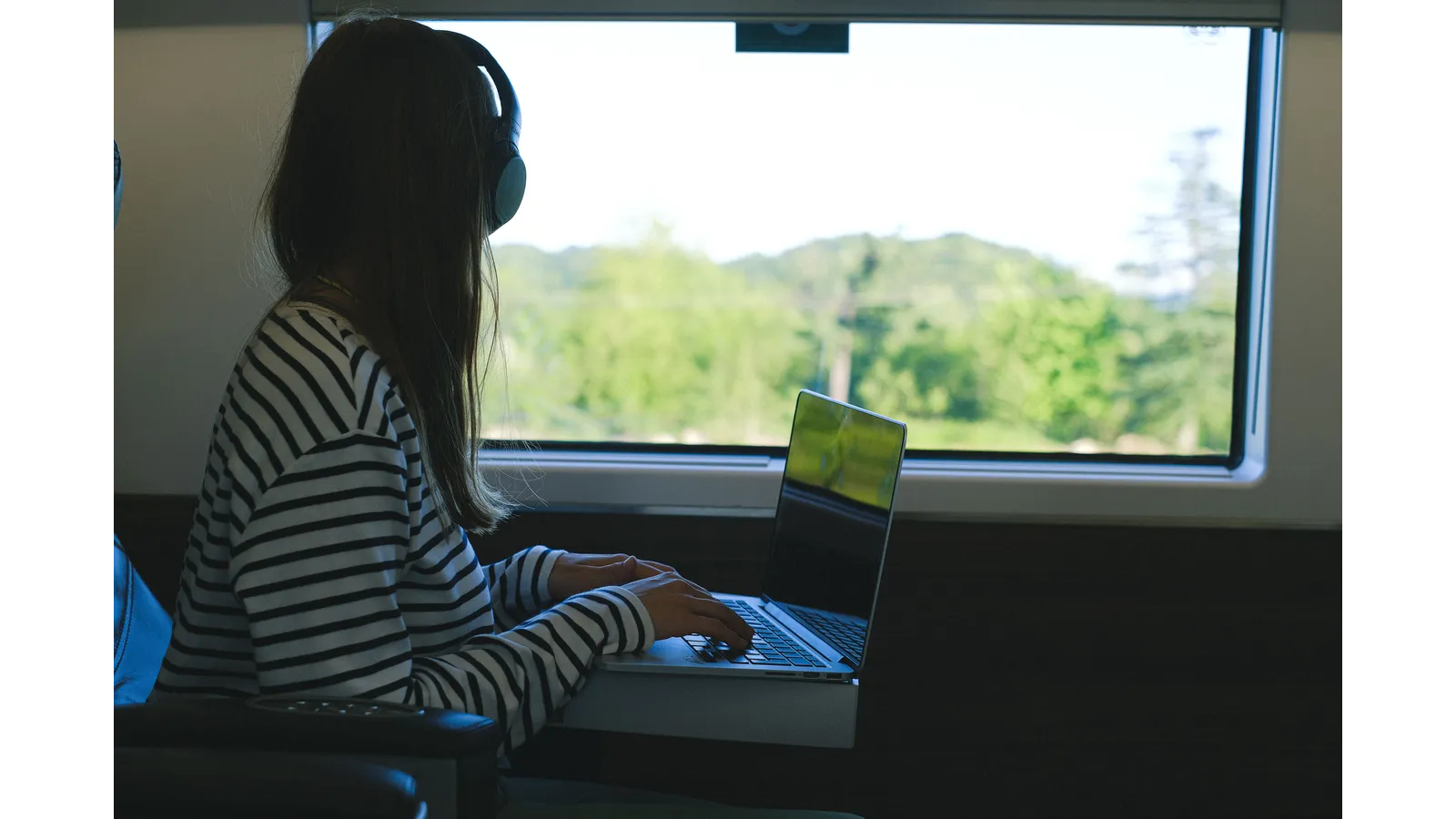
If you thought remote travel peaked back when everyone was working from their laptops in sweatpants and pretending their Zoom background wasn’t a laundry pile, think again. Remote Work Travel 2.0 has arrived, and it’s basically the DLC nobody asked for but everyone’s downloading anyway. The rules of vacationing have officially changed, and truthfully, it’s kind of wild watching it happen in real time.
People aren’t just taking their laptops on vacation anymore; they’re building their vacations around their laptops. It’s a strange new hybrid lifestyle where you can answer emails at sunrise, snorkel at noon, and still make your afternoon meeting with your hair dripping saltwater. And somehow, this is considered “balance.”
The Rise of Remote Travel as a Lifestyle, Not a Hack
Remote travel used to be a loophole. A sneaky little trick. You’d book a cheap Airbnb, pray the Wi‑Fi didn’t collapse, and hope your boss didn’t notice the palm trees in the background. But now? It’s mainstream. It’s polished. It’s practically a selling point for entire countries.
Destinations are leaning into it hard. Resorts are offering “workation packages.” Cafés are turning into productivity hubs. Even airlines are advertising routes with “remote‑friendly” perks, which is hilarious because no one has ever been productive on a plane in the history of humanity.
Remote travel isn’t a hack anymore; it’s a lifestyle upgrade. And people are embracing it like it’s the final evolution of adulthood.
Why Remote Travel 2.0 Feels Different
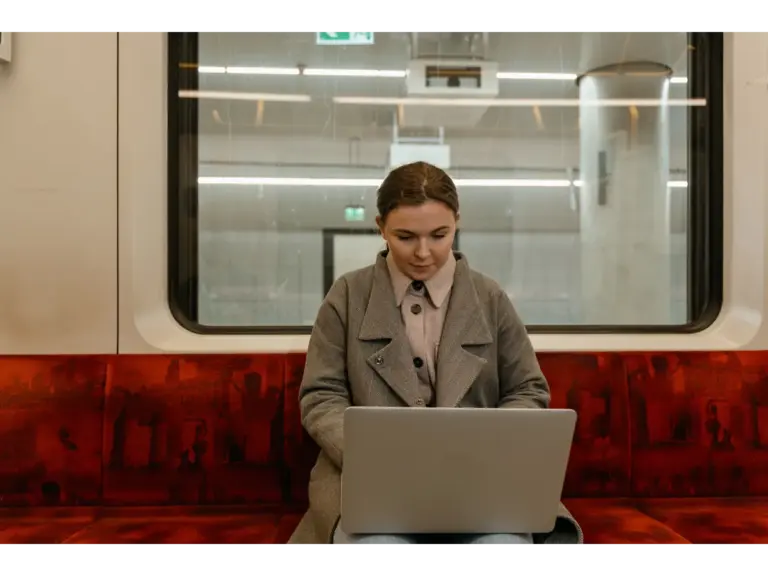
The first wave of remote travel was chaotic. People were working from hammocks, losing Wi‑Fi mid‑meeting, and discovering that sand is the natural enemy of keyboards. But Remote Travel 2.0? It’s smarter. More intentional. Less “digital nomad fantasy” and more “I can actually live like this.”
Here’s what’s fueling the shift:
- Workplaces finally accepted reality If your job survived two years of people working from their couches, it can survive you working from a beach town.
- People are done waiting for “time off” Vacation days are scarce. Burnout is not. Remote travel bridges the gap.
- Travel is now part of wellness culture Apparently, staring at a new horizon counts as self‑care. And honestly? Fair.
- Technology caught up Portable monitors, noise‑canceling everything, and Wi‑Fi that doesn’t collapse if someone sneezes.
Remote travel isn’t about escaping life anymore; it’s about designing one that doesn’t make you want to escape in the first place.
The New Remote Travel Hotspots
Forget the old digital nomad clichés. Remote Travel 2.0 has new favorites, and they’re surprisingly practical.
Mid‑Size Cities
Places with good infrastructure, decent rent, and enough cafés to fuel your caffeine addiction. Think Lisbon, Austin, Medellín, or Seoul.
Nature‑Adjacent Towns
People want mountains, lakes, and the option to touch grass between meetings. Remote cabins with fiber internet are the new luxury.
“Soft Adventure” Destinations
Not full wilderness, but enough adventure to brag about online. Think Bali, Costa Rica, or basically anywhere with a waterfall.
These spots aren’t just pretty; they’re optimized for working humans who want to feel alive without sacrificing their paycheck.
How Remote Travel Is Changing Vacations Forever
The biggest shift? Vacations aren’t strictly vacations anymore. They’re hybrids. Mutants. Franken‑trips.
People are taking longer stays, three weeks, a month, sometimes more, because they can work part‑time and explore part‑time. The old “vacation burnout” is fading because you’re not cramming everything into five frantic days. You can actually relax without the dread of returning to 400 unread emails.
Families are doing it. Couples are doing it. Solo travelers are thriving. And companies are quietly realizing that happier employees mysteriously produce better work. Who knew.
The Future of Remote Travel Looks Wildly Normal
Remote travel isn’t going anywhere. If anything, it’s becoming the default for people who want more out of life than fluorescent lighting and a sad desk lunch. The idea of being chained to one location feels outdated, like dial‑up internet or paying extra for Wi‑Fi at hotels.
Remote Work Travel 2.0 is the new normal, and it’s reshaping how we think about work, rest, and everything in between. The line between “vacation” and “daily life” is blurring, and honestly? It’s about time.
