
Iraqi Jews: The 2,500-Year-Old Community That Nearly Vanished

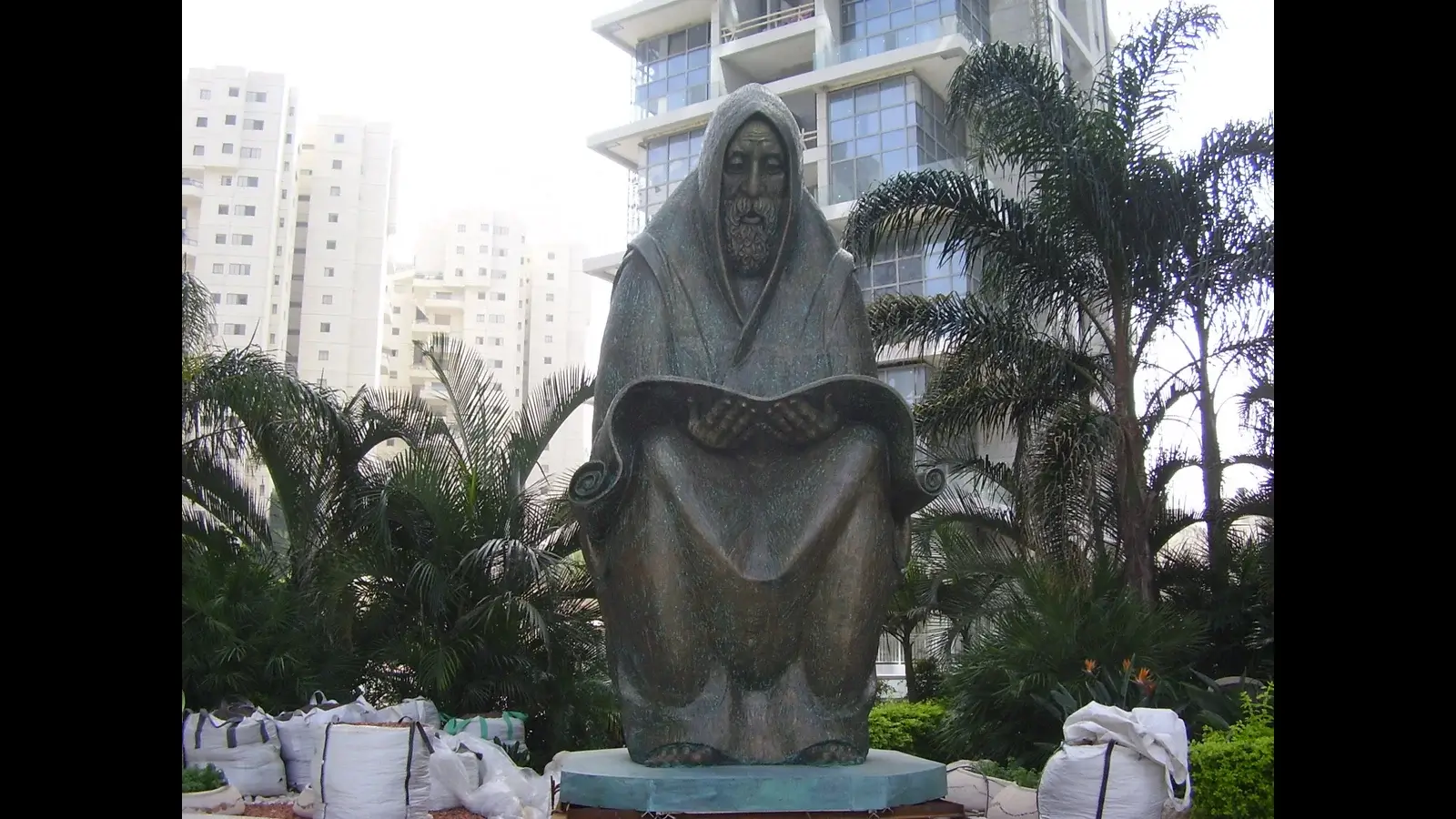
Jewish people have been in Iraq for more than 2,500 years. This is a little-known fact, but this is one of the most historically significant such communities in the world. They are direct descendants of the Assyrian captivity in the 8th century BCE and the Babylonian captivity (c. 586 BCE). Iraqi Jews, also known as Bavlim, are among the most historically significant Jewish populations in the world.
The Jewish people in Mesopotamia are descendants of those who experienced the Babylonian exile after the defeat of the Kingdom of Judah. In all, there were about a million Jews in what is now Iraq. At the time, it was the largest Jewish diaspora in the world. Though smaller, the population is still there. Are you surprised to learn there are Jews in Iraq?
Jewish People in Babylon
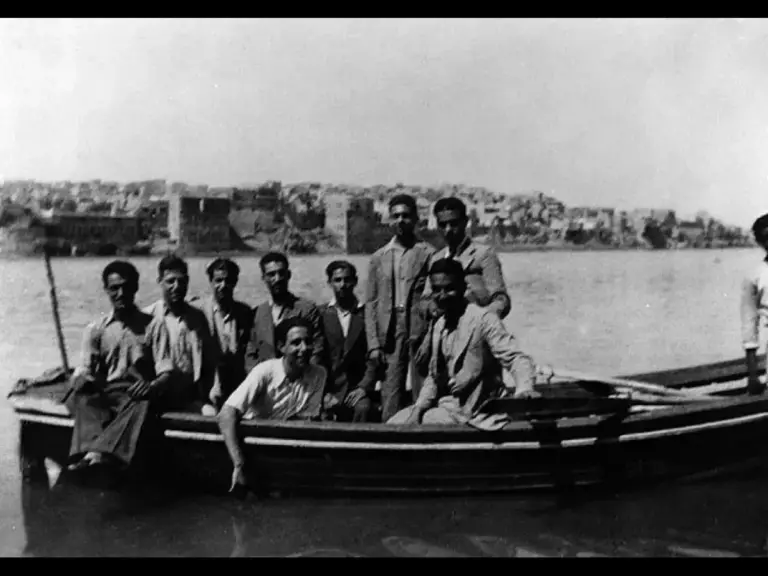
The Jewish population in Iraq declined with the Mongol invasion. The community fared somewhat better under the Ottoman Empire. However, they still faced discrimination, so many left and migrated along the British Empire’s trade routes toward India.
They formed a homogeneous community in Iraq. They dressed the same, ate the same, and had the same customs and rituals. The Iraqi Jews were important to the country’s development of independence. At the beginning of the twentieth century, Jews made up almost 40% of the population in Baghdad and 25% of the population in Basra.
There are very few Jewish people left in Iraq. Most of them emigrated to the new state of Israel in Operation Ezra and Nehemiah in 1950. Only about 4-10% of the population stayed. They faced severe discrimination. The relationship between those who remained and the government was complex. At the same time, there was severe repression, and leniency was granted for some.
Under the regime of Saddam Hussein, travel restrictions were lifted, and many members of the community emigrated. Those who settled abroad retained their citizenship, and some even served in the government. Because of the ease of travel, the population has continued to dwindle. As of 2014, there were only about 500 Jews left in Iraq. They still kept the customs alive.
On the other hand, up to 600,000 residents of Israel have Iraqi descent. This is important because one cannot overstate the biblical importance of these people. The Ten Israelite Tribes from the northern Kingdom of Israel were exiled to Assyria from 730 BCE. The Kingdom in the south was Judah. The northern state did not have access to Jerusalem and created its own religion, including worshipping golden calves.
The Book of Jeremiah, in the Bible, is preeminent in Hebrew literature. It has numerous important allusions to events in the reign of the Babylonian King Nebuchadnezzar. He was the one who invaded Israel and put Jerusalem under siege. The book has become a valuable source in reconstructing Babylonian history in recent times. Were it not for the Book of Jeremiah, little would be known of his campaign against Jerusalem.
Most of the Jews remaining in Iraq today live under the protection of the Kurdistan Regional Government in the north. That autonomy traces back to the 1991 Gulf War, when a U.S.-enforced no-fly zone let the Kurds begin governing themselves apart from Baghdad. Small, historic Jewish communities once thrived in Kurdish cities like Erbil, though most left for Israel decades ago. The population that remains is under severe pressure. The last ordained rabbi died in 1996, and the last kosher slaughterer emigrated in 2002.
The last synagogue closed just weeks before the 2003 invasion of Iraq. After the war, it was estimated that there were about 21-35 Jews left in Iraq, a far cry from the height of the population in the country.
Conclusion
Because there are so few Jews in modern-day Iraq, it is easy to look past the historical importance of this group. There were, at one point, hundreds of thousands of Jews in Iraq, and they were both vibrant and historically significant. They were refugees of the Assyrian and Babylonian exiles. Both of which are important parts of the Old Testament.
