Salad Dressing Recall: Hidden Valley, Costco, Publix Products Pulled Over Contamination Risk

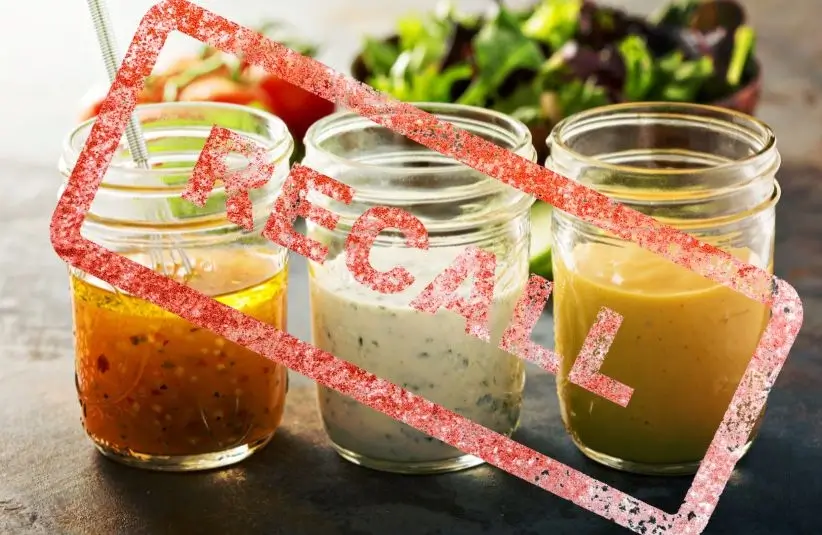
Food safety alerts rarely make headlines unless they involve familiar names. This week, several popular salad dressings were recalled after regulators flagged contamination concerns. The Food and Drug Administration (FDA) confirmed that products distributed across the United States may contain fragments of black plastic. Consumers are advised to check the package’s details and to remove the items from their kitchens if they are on the list.
What Is Being Recalled
These products are manufactured by Ventura Foods LLC and sold under multiple brand names. The list includes:
- Hidden Valley Buttermilk Ranch, lot code MFG102725H
- Costco Service Deli Caesar Dressing, lot codes B28025 through B29225
- Costco Food Court Caesar Dressing, best‑by March 4, 2026
- Publix Deli Carolina‑Style Mustard BBQ Sauce, lot code B28725
- Pepper Mill Regal Caesar Dressing, lot code H29025
- Pepper Mill Creamy Caesar Dressing, lot code H29025
- Monarch Italian Salad Dressing, lot code B29525
- Sysco Creamy Poblano Avocado Ranch, lot code MFG101625H
- Ventura Caesar Dressing, lot code P27525
These products were sold at Costco, Publix, Gordon Food Service, and other retailers between October and November 2025. Costco has also added two additional items not listed above.
Why It Is Being Recalled
The contamination risk comes from a granulated onion ingredient. The ingredient may contain black plastic particles; they could pose choking hazards or cause internal injury if consumed. Even though no illnesses have been reported, the chance or presence of foreign material in food is considered a serious safety issue. The FDA has labeled it as Class II, meaning the likelihood of severe health effects is low, yet the potential harm is significant enough to warrant immediate action.
How to Check If You Are Affected
Consumers should examine bottles and containers of salad dressings purchased during the recall period. Lot codes and best‑by dates are printed on the packaging. If the product matches any of the recalled identifiers, it should not be consumed. Even if the dressing looks normal, the risk remains because contamination is not always visible.
Next Steps If You Are Affected
If you discover an affected product, do not use it. Dispose of the dressing safely or return it to the place of purchase for a refund. Since many of the items were sold in bulk or through deli counters, households should be cautious about leftovers stored in refrigerators. If anyone experiences health concerns after consuming the recalled products, they should contact a healthcare provider. Consumers can also report issues directly to the FDA through its recall reporting system.
Even everyday pantry staples can have unexpected safety risks. Make sure you stay up‑to‑date on any recalls being issued. If you find one you may have in your home, check the packaging details and follow the recall instructions. Households can reduce exposure to potential harms brought to light in these notices. It is always important to stay informed about what items, products, and even toys are in your home, especially when products are distributed widely under trusted brand names.