
4 Classic Southern New Year’s Day Foods and What They Symbolize

Look, I get it. The holidays are barely over. You’re probably still finding bits of wrapping paper in places that wrapping paper has no business being, and your bank account is giving you the silent treatment. But if you think you’re done with traditions just because of New Year’s Day, you are sorely mistaken—especially if you want to fix that bank account situation.
Enter the world of Southern cooking on New Year’s Day.
If you aren’t from the South, you might look at a plate of mushy peas and soggy greens and wonder why anyone would do this to themselves voluntarily. But down here, we don’t just eat for flavor (though, let’s be real, the bacon helps); we eat for insurance. Spiritual, financial, and existential insurance.
So, before you grab leftovers or order a sad pizza to nurse your hangover, let’s talk about the specific menu items you need to be consuming to ensure the upcoming year doesn’t completely suck.
Why Black-Eyed Peas Mean Good Luck
First up, the heavyweight champion of New Year’s superstition: the humble black-eyed pea. Eating these little guys on New Year’s Day is non-negotiable.
The backstory is actually kind of intense. The tradition dates back to the Civil War. Legend has it that Union troops raided the Confederate food supplies but left the black-eyed peas behind because they thought they were only fit for livestock. The Southerners survived the winter on them, and boom—resilience symbolized.
Usually, you’ll find them in a dish called Hoppin’ John, mixed with rice and pork—a staple of Southern cooking. Are they the most exciting legumes in the pantry? Probably not. But they represent good fortune and survival. Considering how the last few years have gone for most of us, I’ll take a double serving of “survival,” thanks.
Collard Greens: The Edible ATM
Next on the roster is collard greens. If you want money—and let’s be honest, who doesn’t? —You need to eat your greens.
The logic here is pretty simple: they are green. Money is green. Therefore, eating the greens equals getting the money. It’s basically primitive crypto mining for your stomach. The more you eat, the more prosperity you’re supposed to attract.
Now, raw collards taste like sadness and dirt. But in true Southern cooking fashion, we don’t do healthy raw veggies. We cook these things down for hours with ham hocks, bacon, or whatever pork product is handy until they are tender and flavorful. It’s delicious, and if it helps pay my rent in July, I’m all for it.
Cornbread: Your Golden Ticket
You can’t have greens and peas without cornbread. It’s illegal in at least three states (don’t fact-check that).
Aside from being the perfect vehicle to soak up “potlikker” (that’s the salty, vitamin-rich broth left behind by the greens), cornbread has its own job to do. Its golden color symbolizes—you guessed it—gold. Wealth. Abundance.
While the greens represent the cash in your wallet, the cornbread represents the gold in your vault. —a classic bit of Southern cooking symbolism. If you don’t have a vault, maybe this is the year you finally get one. It’s a nice thought, anyway. Additionally, carb-loading is the best way to start a new year.
Pork: Moving Forward (and Tasting Good)
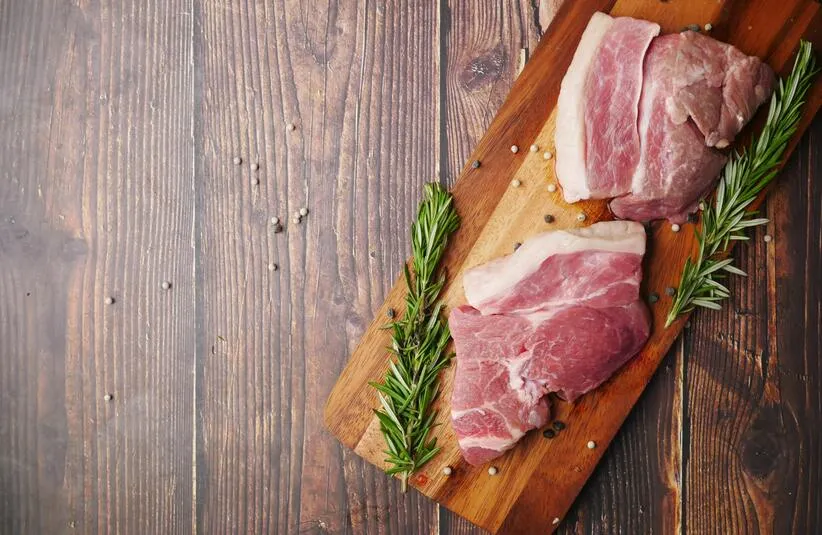
Finally, we have the protein. You won’t find chicken or lobster on a traditional New Year’s Day table in the South. You’ll find pork.
Why? Because chickens scratch backward, and cows stand still. Pigs, however, root forward. They represent progress. We are moving forward into the new year, not looking back at our questionable decisions from the holiday office party.
Whether it’s the ham hock in your peas, the bacon in your greens, or a big roast on the side, pork is the symbol of momentum. It’s tasty, it’s fatty, and it’s forward-thinking—the kind of philosophy Southern cooking has perfected over generations.
A Prosperous New Year, Southern Style
In southern cooking, New Year’s Day meals are more than food—they’re traditions rooted in hope, history, and resilience. From greens to cornbread to pork, southern cooking turns simple ingredients into powerful symbols of prosperity and forward motion. These dishes remind us that southern cooking has always been about surviving tough times while celebrating better ones ahead. So, fill your plate, honor the tradition, and step into the new year well-fed and optimistic.