
New Functional Gardening: Growing with Purpose in 2026

Is functional gardening becoming the newest life hack? Gardening used to be about having the prettiest flowerbed on the block or trying to keep a row of roses alive just to prove you could. But somewhere between rising grocery prices, climate weirdness, and people wanting their homes to actually work for them, the whole idea of gardening shifted. In 2026, the big trend is about perfect function. People want gardens that do something: feed them, help the bees, cut down on waste, or just make the backyard feel like a place with purpose instead of a patch of grass they have to mow.
This isn’t the “aesthetic garden” era anymore. It’s the “make it useful” era.
Edible Landscaping Is Taking Over (Quietly, but Quickly)
If you walk through any neighborhood right now, you’ll notice something: fewer boxwoods, more blueberries. Fewer ornamental shrubs, more herbs tucked into flowerbeds. People are swapping out plants that just sit there for plants that actually give something back.
Blueberries, rosemary, thyme, dwarf fruit trees, edible flowers — they’re all becoming the new normal. And honestly, it makes sense. If you’re going to water something, it might as well feed you.
The best part? Edible landscaping doesn’t have to look like a farm. A rosemary bush is just a nice shrub that happens to taste good. A blueberry plant looks like any other leafy green thing until it suddenly hands you breakfast.
Pollinator Patches Are the New “Good Neighbor” Move
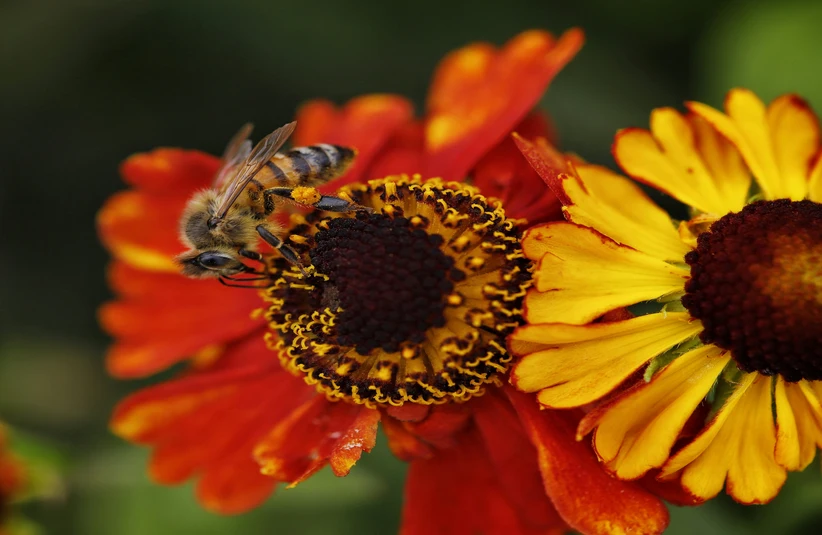
There’s been a big push toward planting things that actually support the ecosystem instead of just looking pretty in photos. Milkweed, coneflowers, black‑eyed Susans, native grasses — all the stuff your grandma probably had in her yard before everything got replaced with mulch and decorative rock.
People are realizing that a small patch of native plants can make a huge difference. Bees show up. Butterflies show up. The yard feels alive instead of sterile. And honestly, it’s easier. Native plants don’t need as much babysitting because they’re built for your climate.
Small Spaces Count Too — Micro‑Gardens Are Everywhere
Not everyone has a yard, and that used to be the end of the gardening conversation. Not anymore. Balcony gardens, railing planters, vertical gardens, countertop hydroponics — people are growing food in whatever space they have.
A sunny windowsill can grow herbs. A balcony can grow tomatoes. A tiny patio can host a whole salad garden in containers. The idea that you need a big yard to grow things is officially outdated.
Composting Goes Mainstream (Finally)
Composting used to be something only hardcore gardeners did — the people with giant tumblers and a whole system in the backyard. Now? Countertop compost bins are everywhere. Small tumblers are cheap. Cities are starting to offer compost pickup.
People are tired of throwing away food scraps that could be doing something useful. Composting feels like a small rebellion against waste, and it gives your plants the good stuff without buying expensive soil additives.
Why Functional Gardening Matters
A functional garden gives back. It feeds you, supports the environment, and makes your home feel like it’s part of something bigger than itself. It’s not about having the prettiest yard — it’s about having a yard that works.
And maybe that’s why this trend is sticking. People want their homes to feel purposeful. They want to grow things that matter. They want to look outside and see life happening, not just landscaping.
The 2026 garden isn’t perfect. It’s practical. And honestly, that’s a relief.
