
Women’s History Month: The Women Who Shaped American Beauty Standards—And How Those Standards Are Changing Today


Every March, Women’s History Month gives us a designated moment to look at the historical source code we’ve inherited—especially the societal programming we’ve absorbed without even realizing it. Few cultural forces dictate our daily lives quite like American beauty standards. They act as a background algorithm, influencing how we view ourselves, how we navigate the world, and how society judges us before we even open our mouths.
But American beauty standards didn’t just spawn out of nowhere. They were coded, patched, and occasionally hacked by real women whose impact still echoes through our current reality. And right now, those standards are undergoing a massive update. This time, the patch notes read differently: the change is collective, intentional, and entirely about women reclaiming their own narratives. Let’s look at the timeline of how we got here, and what the next level looks like.
Decoding the Origins of American Beauty Standards
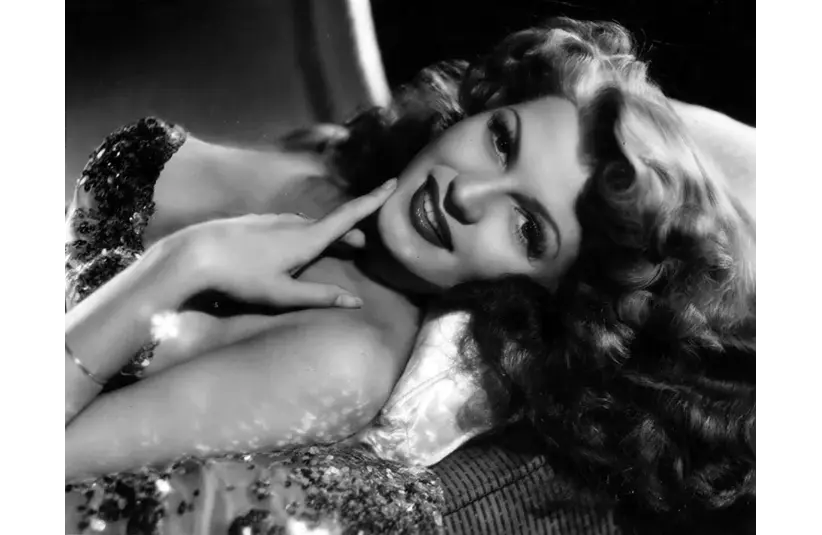
Long before we had social media filters altering our faces in real time, American beauty ideals were shaped by women who deeply understood the power of visual branding.
Take the early 1900s. The Gibson Girls—illustrated by Charles Dana Gibson but heavily modeled after real women like Evelyn Nesbit—set the ultimate baseline. They were tall, heavily corseted (likely rearranging their internal organs in the process), and impossibly poised. These images were far from neutral. They projected strict class expectations and a highly exclusive definition of femininity that locked most women out of the server entirely.
Then Hollywood’s Golden Age arrived, and the studios took control of the narrative. Actresses like Dorothy Dandridge, Rita Hayworth, and Jean Harlow became national symbols of glamour. But it was a heavily manufactured glamour. The studios micromanaged their looks—plucking hairlines, lightening skin, and molding bodies to fit a highly specific, studio-approved fantasy. Yet, even within this rigid framework, these women carved out their own space, heavily influencing everything from mainstream makeup trends to the birth of the modern beauty salon.
Meanwhile, entirely outside the Hollywood system, Madam C.J. Walker was busy revolutionizing Black haircare and, in the process, becoming the first self-made woman millionaire in America. Her work wasn’t just about aesthetics. It was about autonomy, dignity, and raw economic empowerment for Black women who had been entirely excluded from mainstream beauty culture. These early pioneers didn’t just shape American beauty standards; they proved exactly how closely beauty is tied to actual power.
Mid-Century Icons Who Glitched the Matrix
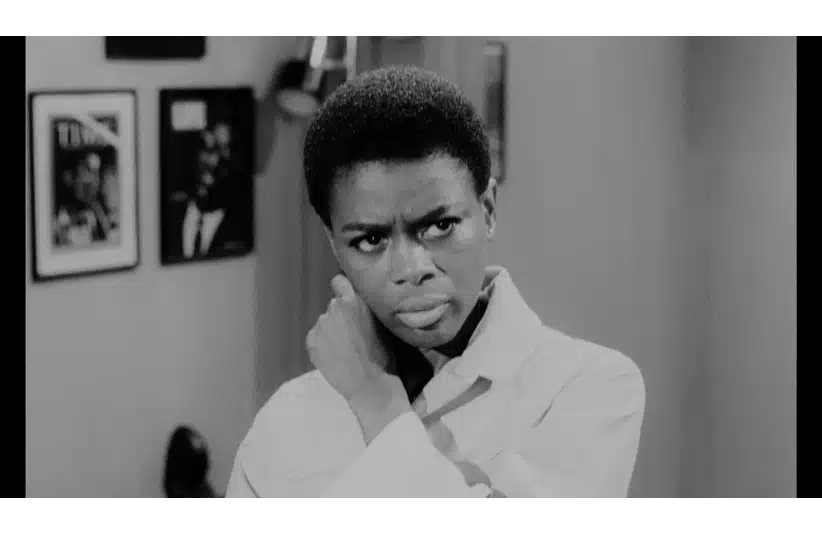
By the mid-20th century, the aesthetic shifted toward a highly polished, suburban ideal. Think Jackie Kennedy’s immaculate lines, Diahann Carroll’s sheer elegance, and the pervasive “girl next door” trope.
But the real heroes of this era were the women who actively decided to glitch the system. Audrey Hepburn popularized a minimalist, gamine look that sharply contrasted with the reigning hourglass bombshell meta. In the 1960s, Cicely Tyson wore her natural hair on national television, directly challenging deeply entrenched, highly biased norms about professionalism and beauty. And Cher? Cher just threw out the rulebook entirely, embracing bold, boundary-pushing fashion that championed self-expression decades before it was trending. They didn’t just influence current trends; they expanded the very definition of what beauty could look like.
The Boss Level: Women Who Rewrote the Beauty Rulebook
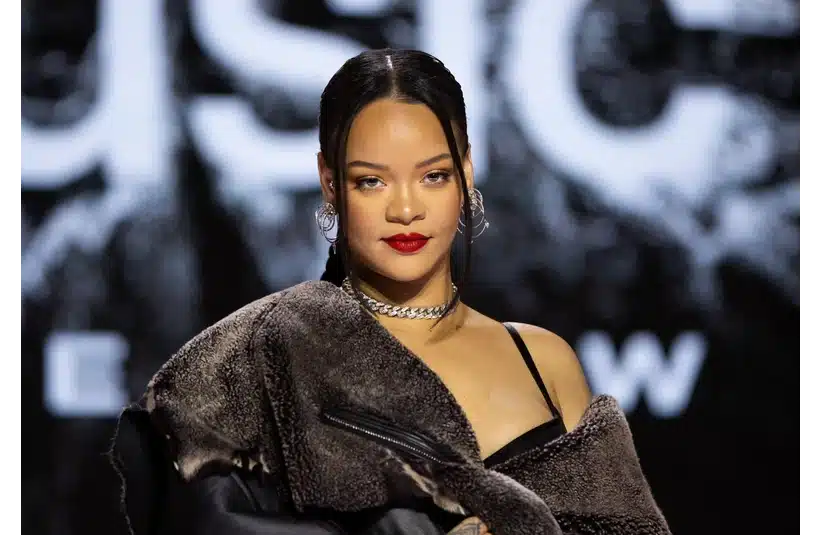
Fast forward to the late 20th and early 21st centuries, and beauty standards were finally being shaped by women who absolutely refused to fit the mold.
Rihanna launched a beauty empire by doing what the industry had long claimed was financially impossible: dropping inclusive shade ranges that actually matched the diverse human population. Alicia Keys caused a massive system override when she started stepping onto red carpets entirely makeup-free. Serena Williams completely dismantled outdated stereotypes about femininity and muscular athleticism simply by existing and dominating in her absolute power. And behind the scenes, Pat McGrath—arguably the most influential makeup artist on the planet—has been dictating runway and editorial aesthetics for decades.
How the Algorithm of Beauty is Changing Today
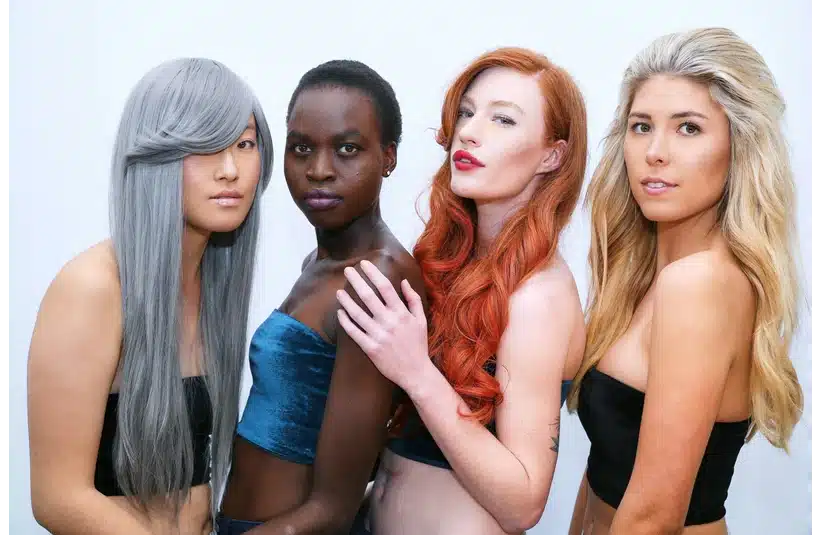
Here’s the best part: the shift we’re experiencing right now isn’t tied to one specific celebrity or a single viral product launch. It’s a massive cultural update.
- Inclusivity is the New Baseline: Brands are finally expanding shade ranges, diversifying their models, and accepting that beauty doesn’t belong to a single, narrow demographic. It’s not a flawless system yet, but the trajectory is obvious.
- Authenticity Beats Perfection: Younger generations are actively rejecting hyper-curated, heavily photoshopped imagery. The demand for visible pores, real skin texture, and natural hair isn’t a fleeting trend; it’s a total recalibration of the system.
- Wellness Merges with Beauty: Women are finally prioritizing how they actually feel over how they look to onlookers. Skincare and beauty routines are evolving into personal rituals rather than performative tasks for societal approval.
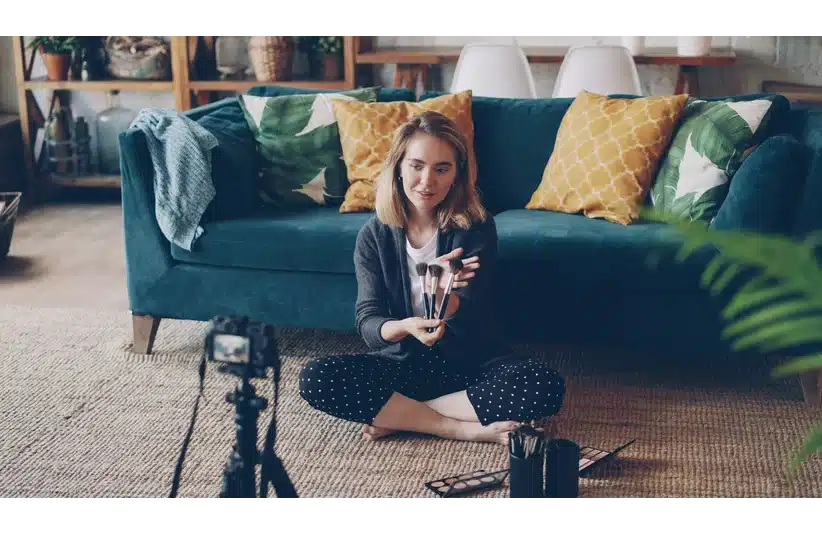
- Democratizing the Narrative: Social media has its toxic corners, but it has also handed the microphone back to the users. Women can now build massive platforms, call out exclusionary brands, and dictate trends right from their own bedrooms.
This era feels entirely different because we aren’t just chasing a new, shiny ideal. We are actively dismantling the tired notion that there should be only one ideal to begin with.
Why Women’s History Month Matters for the Future of Beauty
Women’s History Month is not just a time to nod politely at the past. It’s a crucial moment to audit the societal patterns we’ve inherited and consciously decide which ones we want to delete, and which ones we want to carry forward. American beauty standards have always acted as a mirror—sometimes warped, sometimes aspirational, but always highly influential.
Today, more women are stepping away from that mirror and moving toward something far more sustainable: self-definition.
We are living through a cultural shift toward a beauty standard that is expansive, highly inclusive, and rooted in actual lived experiences rather than desperate bids for external validation. And this update is rolling out solely because women—across all generations, backgrounds, and industries—have absolutely demanded it. As we celebrate Women’s History Month, it’s worth remembering that every single time a woman chooses her own authenticity over societal expectation, she is writing the code for the future of beauty. And that is a legacy entirely worth celebrating.
Author
