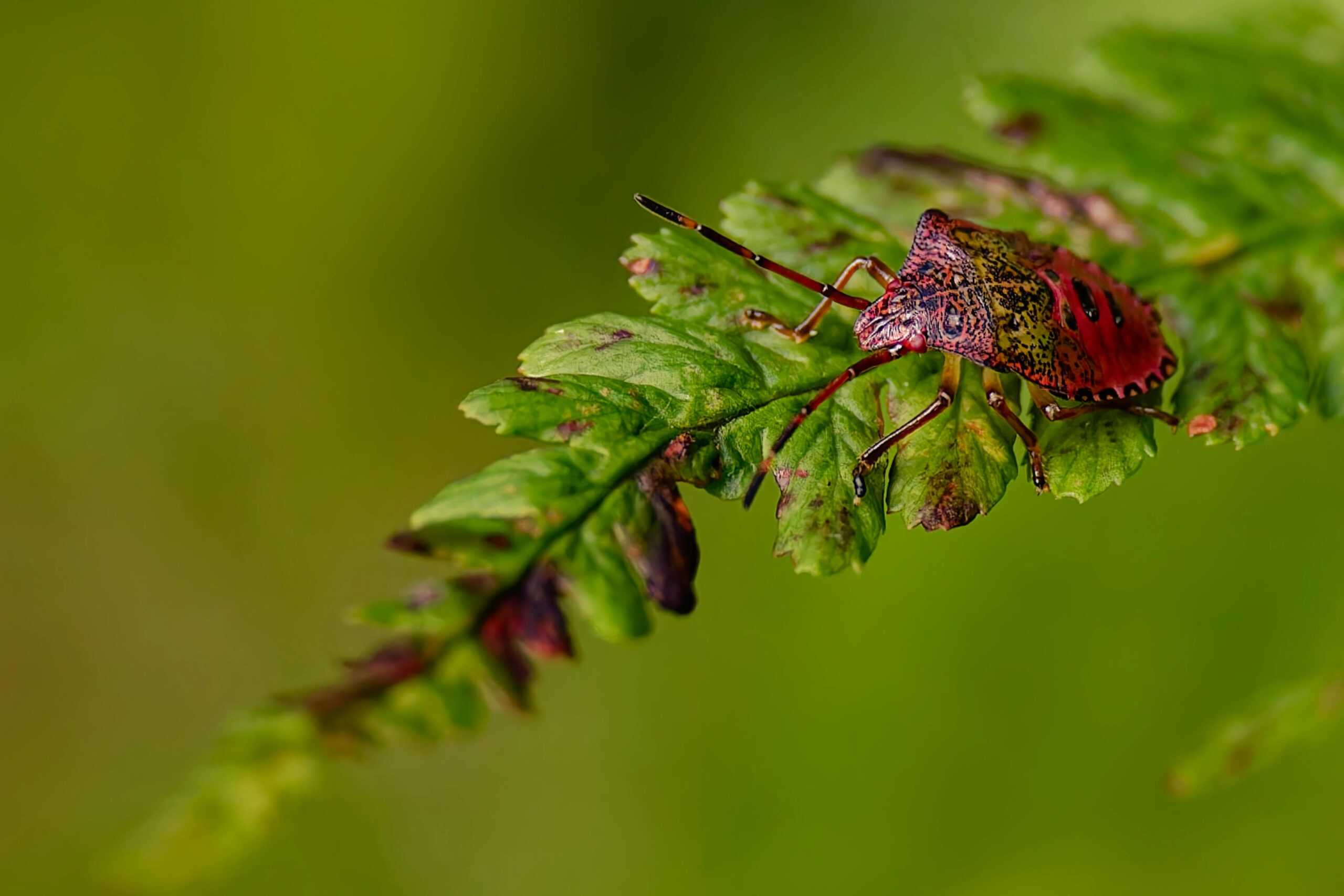
Chagas disease is a parasitic illness caused by Trypanosoma cruzi, most commonly transmitted through the bite of triatomine insects—also known as kissing bugs. These nocturnal insects feed on blood and often bite near the mouth or eyes, which is how they earned their nickname.
The disease is endemic in Latin America but has also been reported in the southern United States. Though less common in the U.S., the presence of infected kissing bugs in states like Texas, Arizona, and Oklahoma has raised public health concerns. Awareness and prevention are key, especially in rural and outdoor environments where these bugs are more likely to thrive.
Where Chagas Disease Is Most Common
Chagas disease is most prevalent in:
- Bolivia, Argentina, Brazil, and Mexico
- Southern U.S. states including Texas, Arizona, New Mexico, and Oklahoma
Triatomine bugs prefer warm climates and are often found in:
- Cracks in walls or roofs of poorly constructed homes
- Animal shelters, barns, and woodpiles
- Outdoor lighting areas that attract bugs at night
Although the majority of cases occur in Latin America, migration and travel have led to global spread, including rare locally acquired cases in the United States.
How Chagas Disease Spreads
Transmission occurs when infected kissing bugs defecate near the bite site. The parasite enters the body when feces are rubbed into the wound, eyes, or mouth. Other transmission routes include:
- Congenital transmission (mother to baby)
- Blood transfusions or organ transplants from infected donors
- Consumption of contaminated food or drink
Symptoms and Long-Term Effects
Chagas disease progresses in two phases:
Acute Phase (first weeks to months):
- Often asymptomatic or mild
- Fever, fatigue, rash, body aches
- Swelling near the bite site (Romaña’s sign)
Chronic Phase (years to decades later):
- Most remain asymptomatic
- Approximately 30% develop complications such as:
- Heart rhythm abnormalities
- Enlarged heart or heart failure
- Digestive issues including enlarged esophagus or colon
Early detection and treatment are essential to prevent progression to chronic disease.
How to Protect Against Chagas Disease
Preventive strategies include:
Home Protection:
- Seal cracks in walls, roofs, and foundations
- Install screens on windows and doors
- Use bed nets in high-risk areas
Outdoor Awareness:
- Avoid sleeping in poorly constructed dwellings in endemic regions
- Keep woodpiles and brush away from the home
- Reduce outdoor lighting that attracts bugs
Health Precautions:
- Screen blood and organ donors
- Test pregnant women in endemic areas
- Practice food safety when traveling
Final Thoughts
Chagas disease remains a significant public health concern in parts of the Americas, with growing relevance in the southern United States. Understanding where the disease is most common, how it spreads, and how to prevent exposure is essential for reducing risk. While rare in many regions, vigilance and education can help protect vulnerable populations and prevent long-term complications.
This article is for informational purposes only and does not constitute medical advice. For diagnosis, treatment, or concerns about Chagas disease, consult a licensed healthcare provider.
 Don't stop here
Every Score. Every Story. One Home.
Breaking sports, entertainment and news from across the Total Apex network, updated all day.
Get the Full Story →