Knowing how to read a horoscope starts with one idea: your sun sign is only one piece of your astrological picture. A daily forecast written for a single sign is a snapshot. Astrologers also look at your moon sign, your rising sign and the planets’ current movements. Here is how they approach it, and where the limits are.
How to Read a Horoscope: The Big Three
Astrologers call the sun, moon and rising signs the “Big Three.” Together they form the base of a birth chart, which maps the sky at the moment and place you were born.
Your sun sign is the zodiac sign the Sun occupied on your birthday. Astrologers tie it to your core identity and sense of purpose. It is the sign most people mean when they ask, “What’s your sign?”
Your moon sign is the sign the Moon occupied at your time of birth. It is linked to emotions, instincts and what helps you feel secure. Most people do not see it from the outside, so it tends to show up in private.
Your rising sign, also called the Ascendant, is the sign on the eastern horizon at your exact time and place of birth. Astrologer and author Yesbelt Fernandez told The Old Farmer’s Almanac: “The Ascendant reveals how you move through life and take action on what matters to you. Think of it as your default operating style.” Astrologers connect it to first impressions and how you approach new situations.
How the Three Signs Work Together
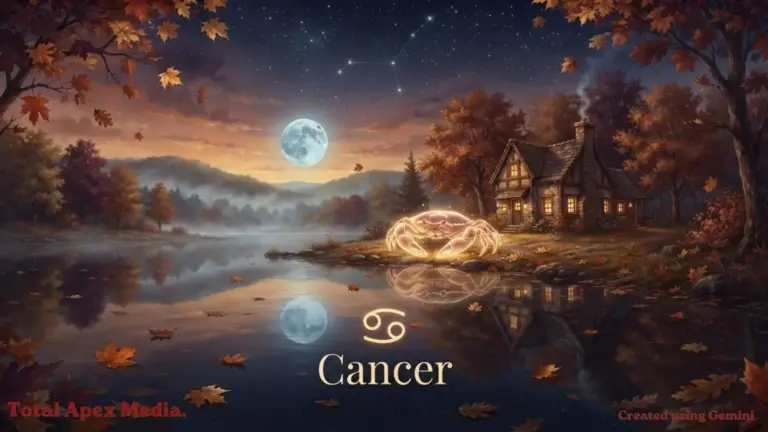
The signs are meant to be read as a set, and that is the key to how to read a horoscope with more nuance. Someone with a reserved Cancer sun, an outgoing Sagittarius moon and a bold Aries rising could come across as direct and confident while feeling sensitive underneath. One way to remember it: the sun is who you are, the moon is how you feel and the rising sign is who people meet first.
To find all three, you need your birth date, place and exact time. A free birth chart calculator can generate the chart in seconds. Time matters most for the rising sign, which changes roughly every two hours as Earth turns. The Moon changes signs about every two to three days, so a missing birth time can also blur your moon sign if you were born on a day it switched.
What a Sun-Sign Horoscope Actually Says
Daily, weekly and monthly forecasts for your sun sign are written for everyone who shares it. They describe the general mood astrologers associate with that sign based on where the planets are during the period. You can see the format in our October 2026 astrology guide for all 12 signs.
Those forecasts are better read as themes than predictions. When you read a horoscope this way, it suggests a tone for the day, a question to ask yourself or an area of life that may feel active. It does not promise that anything will happen to you specifically.
If you want to know how to read a horoscope that feels personal, note that a sun-sign forecast ignores your moon and rising signs. A forecast for the sun alone cannot account for your private emotional nature or the way you naturally present yourself. That is why astrologers say a full birth chart reading is more detailed than a sun-sign forecast.
Transits: How Astrologers Time a Horoscope
The horoscopes astrologers consider most useful are tied to current planetary movement, known as transits. A transit happens when a planet in today’s sky passes over a sensitive point in your birth chart.
Fernandez described the chart’s four Cardinal Points this way: “The Cardinal Points are important because they show the main directions of life: who we are, where we feel safe, how we connect with others, and how we show up in the world.” Those points are the Ascendant (how you present yourself), the Descendant (relationships), the Midheaven (career and public image) and the Imum Coeli, or IC (home and roots). Astrologers read a planet crossing one of them as a shift in that area of life.
Forecasts tied to visible events, such as eclipses, new moons, full moons and planets changing signs, rest on real positions in the sky. A line like “This full moon highlights your creative side” is tied to where the Moon actually is that day, which gives it more specificity than a generic forecast.
What a Horoscope Cannot Tell You
A horoscope cannot tell you whether you will get a promotion, meet someone or face a specific event. Astrology is generally presented as a way to describe tendencies and themes, and what happens still depends on your choices and circumstances.
It is also worth knowing that astrology has not held up in controlled testing. A 2024 experiment reported by ZME Science found experienced astrologers matched people to birth charts no better than chance. Treat a horoscope as entertainment and reflection, not evidence.
A horoscope also cannot replace medical, legal or financial advice. If one mentions health, money or relationships, use it as a prompt for thinking and consult a licensed professional before making a decision that affects your well-being or security.
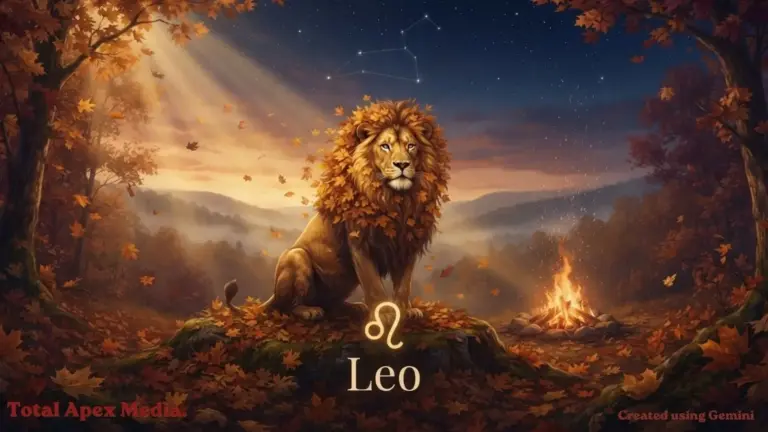
Sun-sign forecasts also cannot capture the differences between people born under the same sign. Two Leos born on the same day in different cities will have different moon and rising signs, and the same forecast may land differently for each.
How to Read a Horoscope Like an Astrologer
To read a horoscope the way astrologers do, start with your sun sign but treat the forecast as a conversation rather than a directive. Ask whether it matches how you have been feeling, which area of life it touches and what leaning into its theme might look like.
To keep learning how to read a horoscope, look up your moon and rising signs next. Many outlets publish a horoscope for all three, and each reads differently. The moon-sign version speaks to your emotional life, and the rising-sign version speaks to how others see you or how circumstances present themselves. Together they offer a fuller picture.
If none of them resonates, that is fine. A horoscope is one perspective, and it may simply not fit that week. Look closer at forecasts tied to major sky events, since astrologers give those more weight than a random Tuesday’s reading. For a day-by-day example, try our Leo horoscope for Oct. 3.
When to Go Deeper With a Birth Chart
If a basic horoscope feels thin, a full birth chart interpretation looks at all 10 celestial bodies astrologers track, including the sun and moon, along with the rising sign and the 12 houses. Astrologers use it to describe where you may thrive and where you may face challenges.
Learning how to read a horoscope tied to your chart is the next step. Your chart is fixed, but transits change daily. A chart reading paired with forecasts written for your chart, not just your sun sign, is the approach astrologers recommend. For a personal reading, a professional astrologer can look at your whole chart and current transits together.
 Don't stop here
Every Score. Every Story. One Home.
Breaking sports, entertainment and news from across the Total Apex network, updated all day.
Get the Full Story →
Don't stop here
Every Score. Every Story. One Home.
Breaking sports, entertainment and news from across the Total Apex network, updated all day.
Get the Full Story →