A college course is out to prove that horror movies, video games, and Stephen King novels belong in the classroom and not just on a screen at midnight. The class treats horror as a way to talk about real-world issues and build resilience through controlled fear. But does anybody really need a professor to tell them that “Pet Sematary” is a bad place to bury a cat?
The Syllabus Is A Scream
The course, covered by Psychology Today, uses the genre’s tension and dread as a doorway into topics that are otherwise awkward to bring up directly. It is taught by Mathias Clasen at Aarhus University, a man who studies fear for a living and runs the Recreational Fear Lab, which is either the coolest job title on earth or a cry for help. Students start with the basic science of fear and anxiety and work their way toward what the course calls recreational fear, which is the fancy term for the fact that some people pay money to be terrified on purpose.
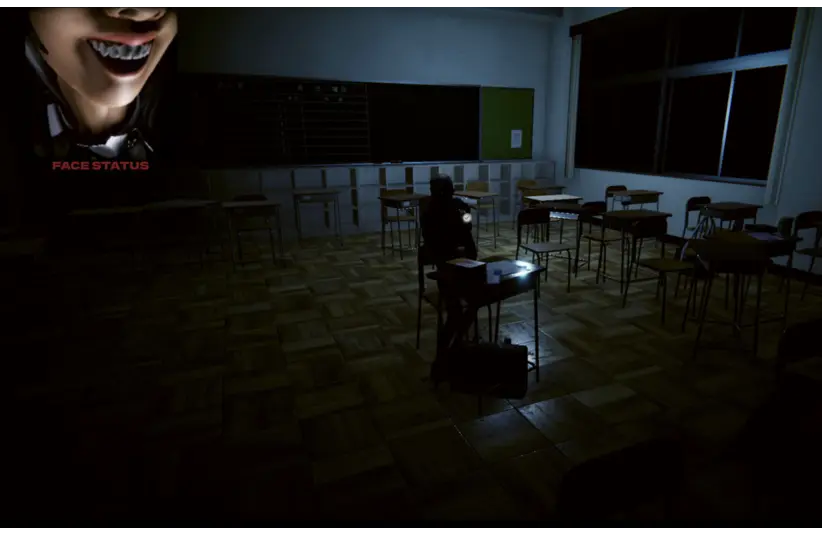
The reading and viewing list runs from King’s “Pet Sematary” to the 2026 film “Obsession,” a nasty little number about a man who uses a novelty wish item called the One Wish Willow to make his friend love him and then lives to regret it, plus horror video games. None of this is random scaring for the heck of it. Every piece was picked to show why fear works the way it does, whether the story is printed on paper, projected on a screen, or loaded up on a controller.
Denmark Gets A Bonfire And A Scary Story
In fall 2026, the class packed up and headed to a remote woodland campsite in Jutland, Denmark. Horror writer Michael Kamp told a 30-minute story around a bonfire. The whole point was to recreate paleo horror, the way human ancestors spent thousands of years scaring each other in groups around a fire in the dark with zero distractions.
My honest take? This is the single best excuse for a field trip ever invented. Compare it to the average museum trip where everyone shuffles past pottery and quietly checks the clock. Here you get a fire, a storyteller, and actual dread. The fireside session then kicked off classroom talk about horror’s history, its social side, and how oral, written, and audiovisual storytelling differ.
Your Heart Rate Is Not Okay
This is where the course stops being a glorified movie night and starts being actual research. Students wore heart-rate monitors during the screening, and the lab has a track record of measuring fear responses in the wild rather than just theorizing about them.
The payoff came during “Obsession” when a jump scare involving a car window shoved the class average heart rate up by 13 beats per minute, with individual spikes running anywhere from 9 to 51 beats per minute. That is a real range, by the way. Some student barely flinched and somebody else nearly launched out of their chair. Jump scares set off an acute startle response with a fast heart rate jump, while slower scenes that build dread can trigger a freezing-like vigilance response.
That freezing business is not a deer in headlights, either. It is more like a parasympathetic brake on the motor system that keeps the body still and ready to move, and it tends to last longer when the threat is distant rather than right in your face. The course treated a scary movie as a source of physiological data, and the data did not disappoint.
Some People Fear The Fear Itself
Not everyone walks into a horror experience the same way. Research cited in the feature found that people who are uncomfortable with uncertainty tend to overestimate how badly they will feel during horror experiences before they actually go through them.
Read that again and let it sink in. The dread before the dread is often worse than the dread itself. Anyone who has ever stared at a haunted house entrance for ten minutes while their friends waved from the front of the line knows this in their bones.
The course leans into that gap between expected fear and actual fear, and honestly it is the most relatable thing on the whole syllabus. Clasen’s lab has run field studies at Dystopia Haunted House, which means real paying customers have been measured, questioned, and analyzed while screaming, and that is a sentence I never expected to type.
Big Talk Hidden In A Ghost Story
The feature makes the case that horror in education goes well past racing hearts. A good scare engages the mind, opens important topics and may build resilience, according to the piece. Supernatural horror in particular can double as a way into conversations that would feel way too direct otherwise.
A ghost story can spark talk about consent, coercion, and bodily autonomy. That reframes horror as a narrative device rather than cheap shock value, one that carries heavy subject matter through metaphor and suspense instead of a blunt lecture. I will say it plainly. This beats a dry slideshow about ethics every single time, and I will not be taking questions.
One Tool In A Crowded Toolbox
The feature does not pretend horror works for every student equally or that it beats other teaching methods. It frames the genre as one tool among many for getting students engaged with difficult material, built on fear responses that research shows vary a lot from person to person.
That balance matters, because the last thing anyone needs is a professor declaring that jump scares cure all anxiety. They do not. They just make a Tuesday afternoon lecture a lot more interesting. The course’s focus on resilience also ties into wider research on finding purpose in life, though I suspect most students signed up for the ghosts.
More Relationships news from Total Apex Entertainment.
 Don't stop here
Every Score. Every Story. One Home.
Breaking sports, entertainment and news from across the Total Apex network, updated all day.
Get the Full Story →