Gardener’s Heartbreaking Experience Sparks Warning About Garden Netting

A recent story shared by a fellow gardener has left many of us stunned. In an effort to protect a young pumpkin plant, they installed plastic garden netting—only to discover that their chipmunk companion, a daily visitor and source of joy, had lost its life after becoming entangled in it. The emotional devastation was profound, and the gardener vowed never to use that type of netting again.
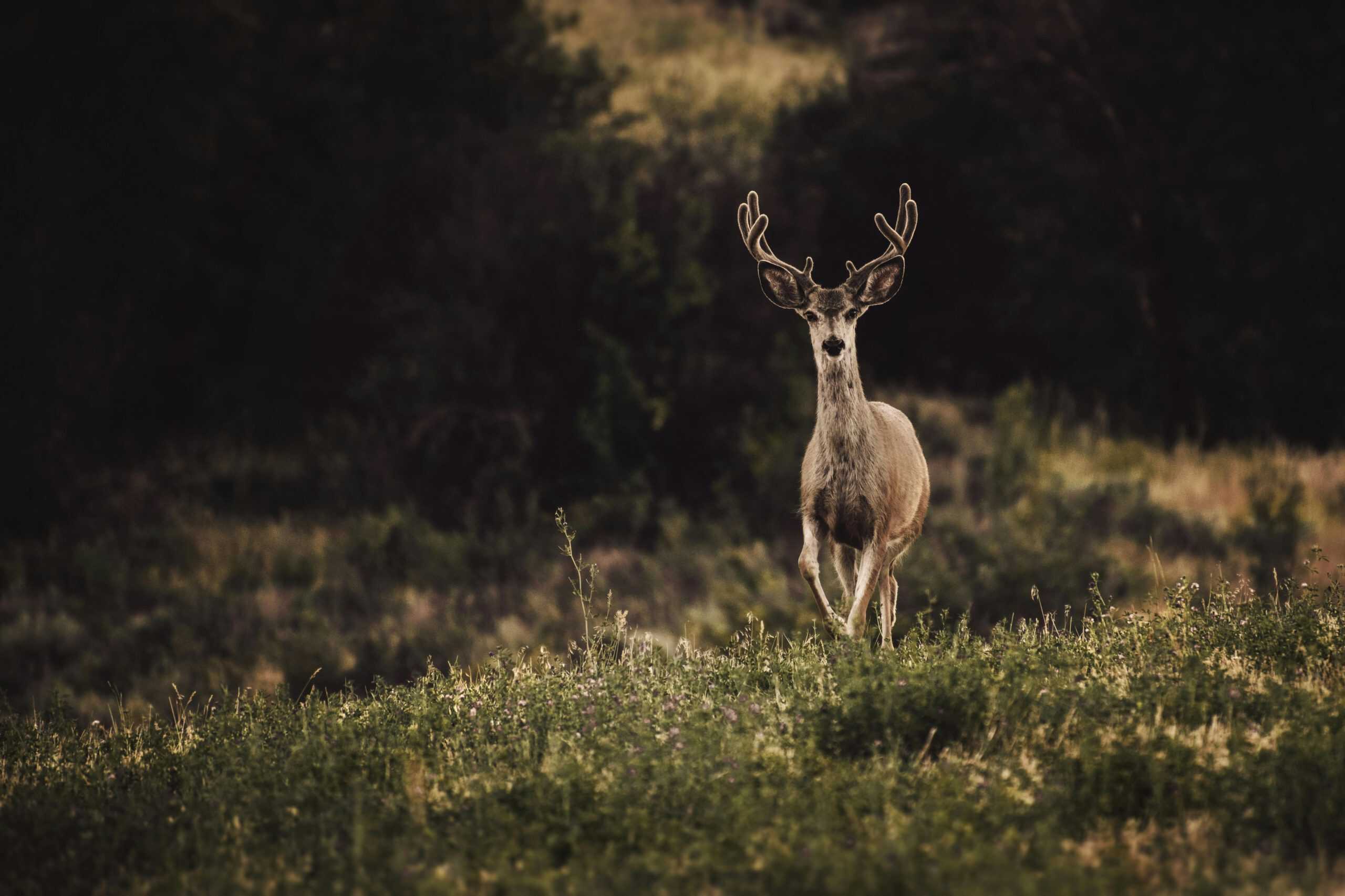
As someone who deeply loves the wildlife around my own home, I can’t imagine the heartbreak of such an accident. The deer, squirrels, and even that nosey little opossum that visit my garden aren’t just passing creatures—they’re part of the rhythm of my life. This story struck a nerve, and it’s a powerful reminder that our choices in the garden can have unintended consequences.
The Hidden Risks of Garden Netting
Garden netting is widely used to protect crops from birds, rabbits, and other small animals. But many gardeners don’t realize how dangerous it can be. Thin plastic mesh, especially when loosely secured or placed near the ground, can trap animals like chipmunks, snakes, birds, and even owls. Once caught, escape is nearly impossible, often leading to injury or worse.
Wildlife rescue organizations have long warned against this type of netting. This gardener’s heartbreaking experience is not an isolated incident—it’s part of a larger pattern that calls for an opportunity to do better. If we truly care about the natural world around us, we must rethink how we protect our gardens and how we share our spaces.
Safer Alternatives to Garden Netting
If you’re looking to protect your plants while keeping wildlife safe, consider these alternatives:
- Metal Mesh or Hardware Cloth: Durable and less likely to entangle animals. Ideal for building protective cages around plants.
- Floating Row Covers: Lightweight fabric that allows light and water through while keeping pests out.
- Raised Netting Structures: If garden netting is necessary, elevate it well above the ground and secure it tightly to prevent sagging.
- Natural Deterrents: Reflective tape, wind chimes, or predator decoys can discourage pests without physical barriers like the garden netting.
These methods offer effective protection while minimizing harm to wildlife. They’re simple to implement and often more sustainable in the long run.
Embracing Wildlife as Part of the Ecosystem
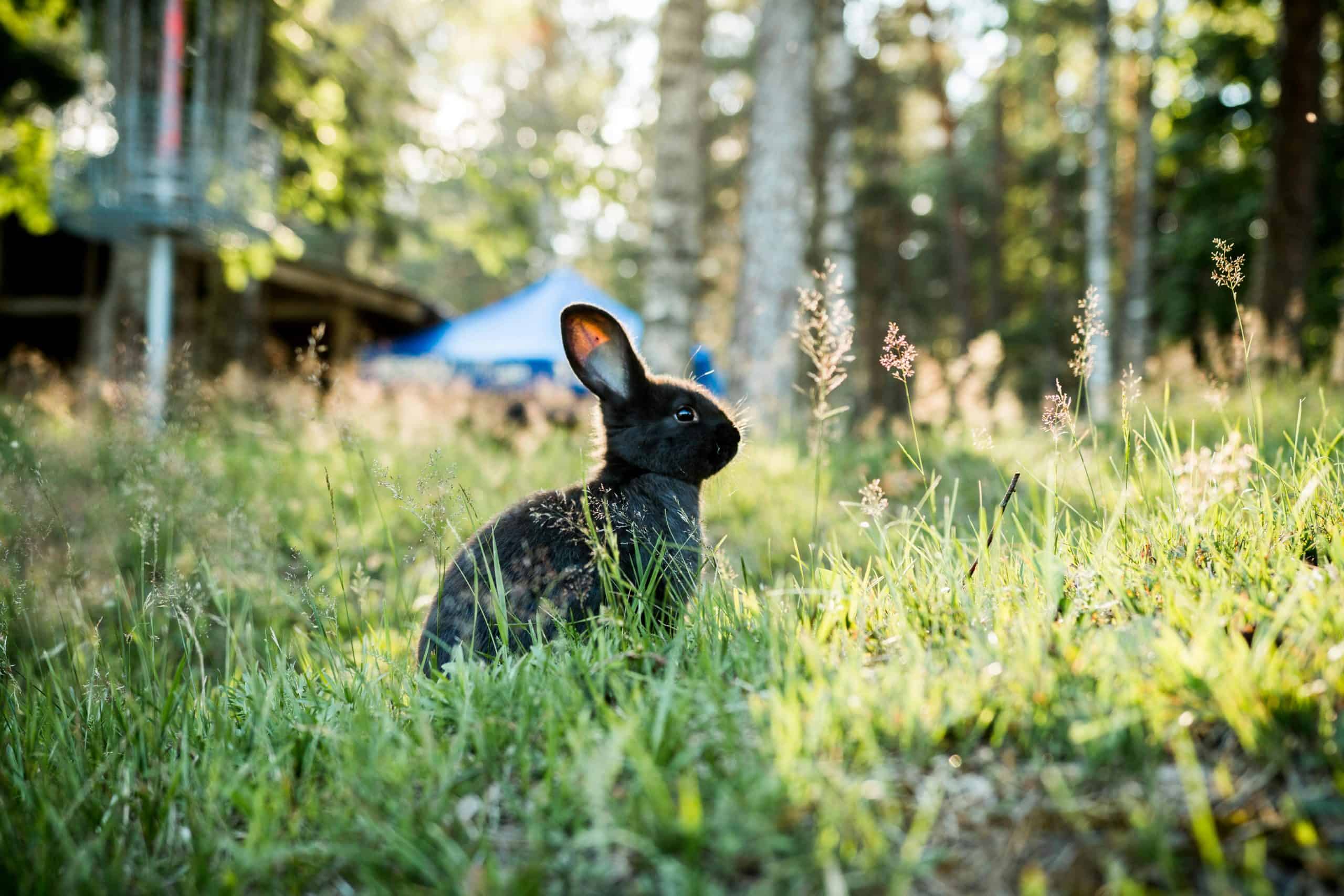
Instead of viewing wildlife as a threat, consider how they can be part of a balanced ecosystem. This concept is similar to companion planting—where certain plants are grown together to benefit each other—but applied to animals.
This approach requires observation and patience, but it transforms your garden into a shared space where nature works with you, not against you. Think of it as wildlife companion planting—an intentional way to balance your home within their habitat.
Final Thoughts
The story of the gardener and their chipmunk companion is a sobering reminder of how fragile the balance between human intention and nature can be. I personally can’t imagine the heartbreak of such an accident—it’s a loss that lingers. Maybe from this pain, there’s an opportunity to learn and grow. By choosing safer methods and embracing wildlife as allies rather than adversaries, we can create gardens that are not only productive but also compassionate, and without garden netting. After all, our homes are nestled within their habitat—not the other way around.