
Texting Boundaries While Dating: The Mismatch That Genuinely Matters for Happiness


Texting boundaries while dating start with a simple truth: how fast someone texts back isn’t a measure of how much they care. If your new partner responds in hours instead of minutes — or prefers a phone call to a long text thread — that’s a difference in style, not a lack of interest.
Style differences do matter, just not the way most people think. In research presented at the American Psychological Association’s 2018 convention, Pace University researchers surveyed 205 adults ages 18 to 29 in romantic relationships. People who said their partner had a similar texting style reported greater relationship satisfaction. According to Leora Trub, the Pace psychologist who presented the findings, the way couples texted mattered more than how often they did.
In other words, a mismatch in texting styles can quietly wear on a relationship. The good news: you can talk about it. Here’s how to set texting boundaries that work for both of you.
Understand Why Texting Styles Differ
People text for different reasons. In a second study presented at the same convention, Trub and her colleagues surveyed 982 adults ages 18 to 29 about why they text. Beyond practical uses like making plans, people said they text to escape their current situation, because they’re bored or because they find it easier to express themselves in writing than on the phone or in person.
Your partner’s slower response time may mean they’re focused at work, prefer deeper conversations in person or simply text less than you do. None of these signal a lack of interest. It also helps to know the difference between texting as connection and texting as avoidance — using it to dodge harder conversations.
Have the Conversation Before Frustration Builds
Bring up texting style early and without blame. Pick a calm moment, not right after a delayed reply stung. As The Gottman Institute puts it, a partner’s core needs aren’t up for debate — but how those needs get met is negotiable.
Start with curiosity: “I noticed you text less during the week. Does work keep you busy, or do you just prefer to save longer talks for when we see each other?” Then listen. You may learn they’re not avoiding you at all — they’re managing their focus or their social battery.
Define Response-Time Expectations Together
Ask your partner directly what response time feels doable for them. If they say a few hours during work or no texting after 10 p.m., take that as their texting boundary. Then share yours. If you need to hear from them at least once a day to feel secure, say so.
Land on something that works for both of you. “I’ll text you in the morning and evening” is clearer and kinder than hoping they’ll guess what you need. Put the agreement in your own words so it feels real, not forced.
Separate Texting From Emotional Security
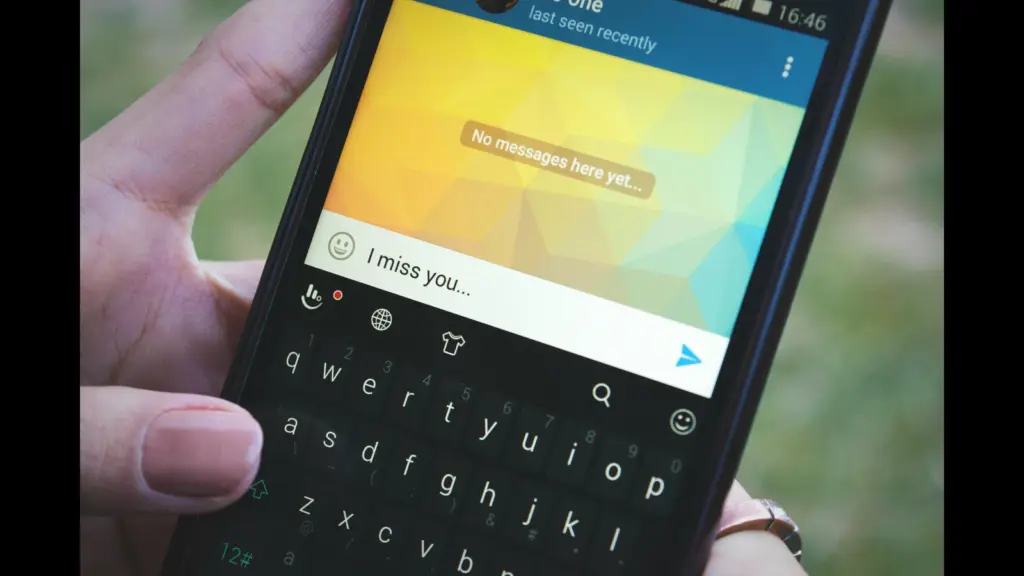
Texting frequency and emotional intimacy aren’t the same thing. The Pace findings point to fit, not volume: couples were happier when their texting habits lined up, whatever the message count. A thoughtful message once a day can feel more caring than a stream of texts about nothing.
If you feel insecure when they don’t text back, texting more won’t fix that feeling — deeper connection will. Plan regular time together, have real conversations and ask for reassurance directly: “I sometimes worry you are losing interest. Can we check in about how you are feeling?”
Agree on What Matters and What Doesn’t
Not every text needs a response. Agree on which ones do: “If I text you about weekend plans, I expect an answer by that evening. If I send a funny meme, no rush.” That takes the guesswork and the guilt out of it.
Agree on what texting isn’t for, too. Serious talks usually don’t belong in a text thread. Save breakup conversations, fights and big decisions for a call or an in-person conversation.
Keep Texting From Becoming a Crutch
Trub warned that texting can “become a crutch” and eventually get in the way of meaningful interaction — especially when it’s used to avoid harder conversations or to fill loneliness or boredom. If you catch yourself texting your partner instead of talking to them about a real issue, pause and call or ask to meet.
The same goes for them. If they’re texting constantly but seem distant in person, that’s worth exploring. Texting should supplement your relationship, not replace it.
Red Flags vs. Different Styles
A slow texter isn’t a red flag. Consistent ghosting, sudden silence after regular contact or texting that cuts you off from friends and family are. So is a partner who demands constant check-ins or gets angry when you don’t reply right away — that’s about control, not texting style.
If your partner’s texting habits change drastically, ask about it. Most texting differences are just that: differences, not danger signs.
What To Do If Your Texting Boundaries Still Clash
If you’ve set clear expectations and your partner still ignores them — or their texting style sets off real anxiety for you — that’s worth working through together or with a therapist. A licensed couples therapist can help you both name what you need and find a rhythm you can keep.
Healthy dating means finding someone whose needs line up with yours, or whose differences you can both respect. Texting style is one piece of that puzzle, not the whole picture.
Reporting from the American Psychological Association and The Gottman Institute contributed to this story.
Disclaimer: This article is intended for informational purposes only and does not constitute professional advice, diagnosis, or treatment. If you are experiencing significant relationship challenges or emotional distress, please consult a licensed therapist, counselor, or mental health professional.
