
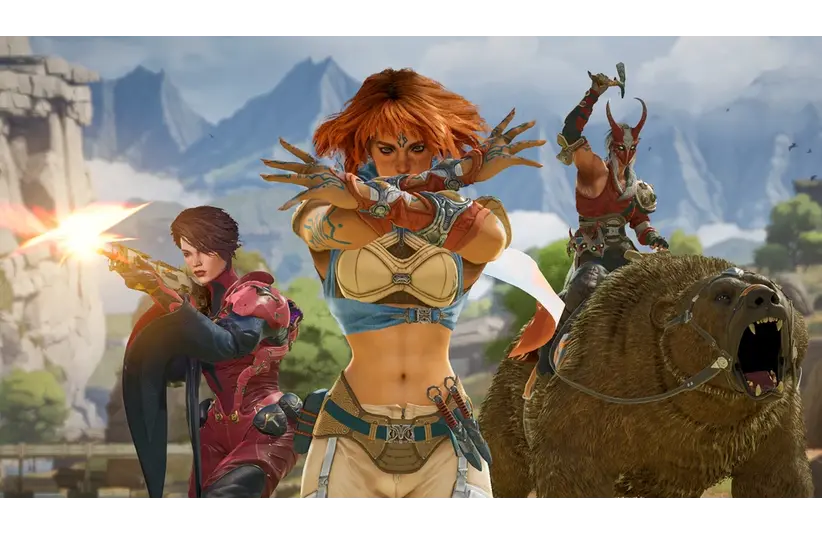
Laid‑Off Highguard Dev Says Gamer Backlash Helped Sink the Shooter

Highguard’s launch was supposed to be another jewel in the FPS arsenal— the kind of moment a dev team clings to after years of pouring themselves into a project. Instead, for some of the people who built it, launch day became the start of a downward spiral. And now, in the wake of layoffs at Wildlight Entertainment, one developer is speaking up.
Josh Sobel, a technical artist and rigger recently let go from the studio, took to X to reflect on Highguard’s rise, fall, and the internet storm that swallowed it whole. His post isn’t a rant. It’s a post‑mortem written by someone who watched a dream curdle in real time.
And it’s a reminder that the gaming community’s power — for better or worse — is enormous.
“The future seemed bright.” Then the trailer dropped.
Sobel describes the lead‑up to The Game Awards 2025 as one of the most exciting days of his life. After two and a half years of work, Highguard was finally ready to be revealed. Internally, morale was high. Feedback was strong. Nobody was bracing for impact.
Then the trailer hit the public.
And according to Sobel, “it was all downhill from there.”
He says gamers immediately dogpiled the reveal, turning Highguard into a punchline “from minute one.” Content creators made videos mocking him personally after he set his X profile to private to shield himself from harassment. The tone was set before the game even had a chance to breathe.
Within minutes, he says, the internet had decided:
Highguard was dead on arrival.
14,000 review bombs — many from players who didn’t finish the tutorial
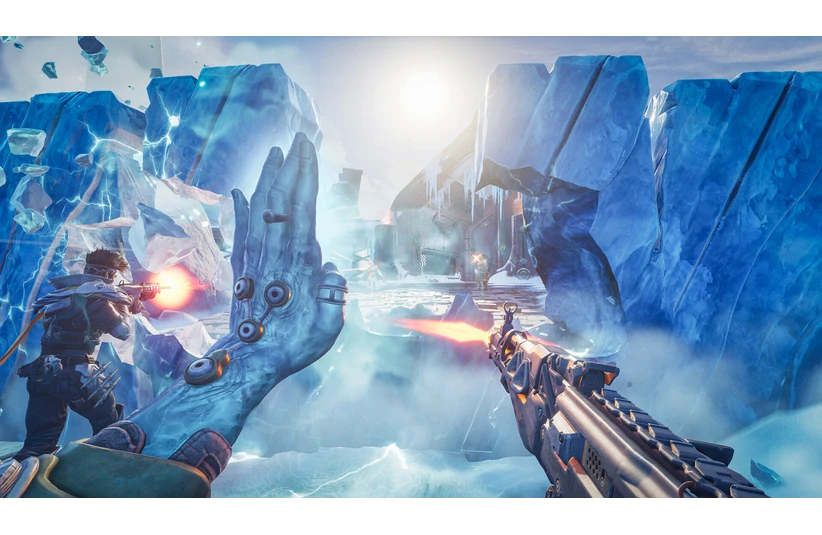
Sobel’s post doesn’t shy away from the numbers. At launch, Highguard was hit with over 14,000 review bombs, many from accounts with less than an hour of playtime. Some didn’t even complete the tutorial.
He’s not claiming the game was perfect. He’s not claiming gamers are solely to blame. But he is calling out the idea that players have no impact on a game’s trajectory.
“Gamers like to say devs blame gamers for their failures,” he writes. “As if gamers have no power. But they do. A lot of it.”
And in Highguard’s case, he argues, that power was used to bury the game before it had a chance to stand on its own.
“Innovation is on life support.”
The most sobering part of Sobel’s reflection isn’t about Highguard at all — it’s about what comes next.
He warns that every time a small team considers breaking away from AAA to build something new, Highguard will be the cautionary tale. The example people cite when they say, “Don’t bother. Gamers won’t give you a chance.”
“Our independent, self‑published, dev‑led studio… deserved better than this,” he writes. “We deserved the bare minimum of not having our downfall be gleefully manifested.”
It’s a gut punch — and a window into how fragile innovation becomes when the internet decides a game’s fate before it even launches.
Highguard’s numbers tell the rest of the story
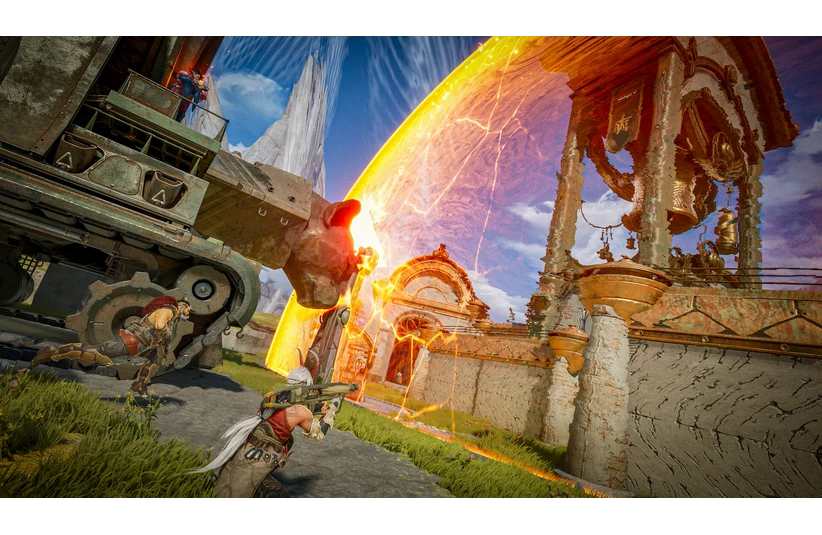
Highguard debuted with nearly 100,000 concurrent players on Steam, a massive opening for a new free‑to‑play shooter. But the momentum evaporated. Today, the game sits at around 3% of that peak, and the number continues to fall.
Some of that is the free‑to‑play curse. Some of it is the game’s own rough edges — as we noted in our review, Highguard felt like “wasted potential,” a strong foundation that needed more time in the oven.
But Sobel’s post forces a harder conversation:
What happens when a game is declared dead before it even gets to live?
And maybe more importantly —
Is the free‑to‑play model still viable when the internet can nuke a launch in minutes?
How Backlash Shapes a Game’s Fate
Sobel’s reflection isn’t just about Highguard. It’s about the ecosystem we’ve built — one where hype cycles, instant backlash, and algorithm‑driven negativity can crush a studio long before players ever touch the game.
Highguard didn’t fail for one reason. It failed because of a perfect storm: a rushed market, a brutal genre, a free‑to‑play model that’s losing steam, and a community that decided the game’s fate before it had a chance to prove itself.
