
Bethesda Games Face Credibility Problem Now

Bethesda Games have a long and glorious history of launching in absolutely ridiculous states. Charming bugs and hilarious physics glitches have basically become the studio signature at this point, like a messy but lovable relative who always breaks something at family dinners. The lukewarm reception of Starfield, however, started tipping that reputation from endearing chaos into something more like genuine frustration for a lot of players. Does a company ever look at its own track record and think, maybe we should try launching something that actually works on day one?
Ninety-Five Percent Complaints Raised Internally
Bethesda developers know exactly what state their games ship in, and they talk about those problems long before any player ever types out an angry forum post. Dennis Mejillones, a retired artist who worked on Skyrim, Fallout, and Starfield, sat down for an interview last year that recently started making the rounds again.
He explained that he holds a ton of valid criticism for his own work on those games, and so does everyone else in the studio. He practically guarantees that ninety-five percent of the complaints players raise after launch got brought up by developers in meetings long before release. That raises an uncomfortable question, doesn’t it? If everyone knows about the problems, why do the problems keep happening?
Todd Said Do Anything, Not Everything
Bethesda employees play games just like everyone else, so they notice the same broken quests, the same janky animations, and the same NPCs walking through solid walls. Mejillones pointed out that developers are gamers too, so they see all the same issues that players eventually discover. The idea that game developers are somehow lazy never held much water, because most of them work ridiculous hours trying to make something good.
The real problems usually come from production schedules, management decisions, and the simple fact that videogames cost a fortune to make and need to release at some point. A developer can point out a bug in a meeting, but that does not magically give them six more months to fix it. Bethesda meetings under Todd Howard apparently featured a very specific phrase repeated constantly, according to Mejillones. Todd used to say all the time that the team could do anything, but they could not do everything.
That statement captures the brutal reality of game development perfectly, because every feature added means something else gets cut or left half-finished. A developer might want to polish every quest and squash every bug, but the calendar keeps moving and the publisher wants return on investment. The choice becomes shipping a flawed game or shipping no game at all, and bankruptcy does not help anyone.
Bethesda Games Did Not Abandon Fallout 76
Bethesda did not abandon Fallout 76 when that game crashed and burned at launch, which deserves some genuine credit. They could have dropped that project entirely and let it die, but instead they kept pushing updates and slowly turned it into something actually decent. Mejillones pointed to that as an example of the studio refusing to give up, even when the internet had already declared the game a total disaster. Starfield seems to be getting similar treatment, with Bethesda pushing updates and trying to improve the experience over time.
The question is whether players will stick around long enough to see those improvements, or if first impressions already sealed the game fate. Bethesda faces a real credibility problem with its audience, because fans have heard promises before. Todd Howard himself said that Starfield probably would not get a two point zero overhaul, which makes a Fallout seventy-six style revival seem unlikely.
That statement came from the head of the studio, not some random internet rumor, so taking it seriously makes sense. A game that launches in rough shape can recover with enough updates, but only if the developers commit to a major transformation. Starfield might get better, but it probably will not get a complete reinvention, which leaves it stuck in an uncomfortable middle ground.
Fans Have Heard Promises Before
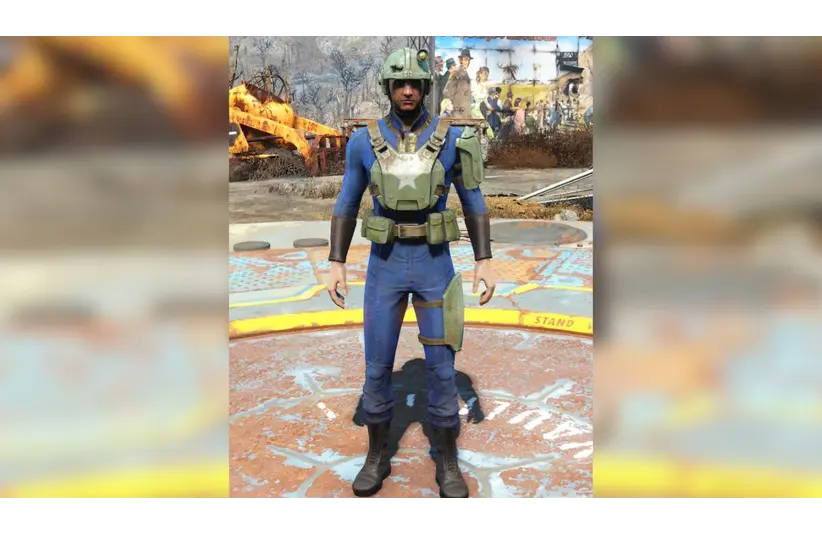
Bethesda Games have always launched with issues, and players have always complained, but something feels different now. The charming bugs that once seemed endearing now feel more like signs of deeper problems, and the funny physics glitches no longer distract from shallow systems. Fallout seventy-six proved that Bethesda can turn a disaster into a decent game, but that process took years and required a level of commitment most publishers would not make.
Starfield might follow a similar path, or it might just linger in a state of being fine but not great. The developers know what is wrong, they have known for years, and they have talked about those problems in meetings long before any player ever saw them. That knowledge does not fix a game, though, and knowing about a bug and fixing a bug are two very different things.
For anyone hoping that Bethesda will suddenly change its ways, the evidence suggests otherwise. The studio keeps launching messy games, keeps patching them slowly, and keeps asking for patience. At some point, patience starts feeling less like a virtue and more like a coping mechanism.
