
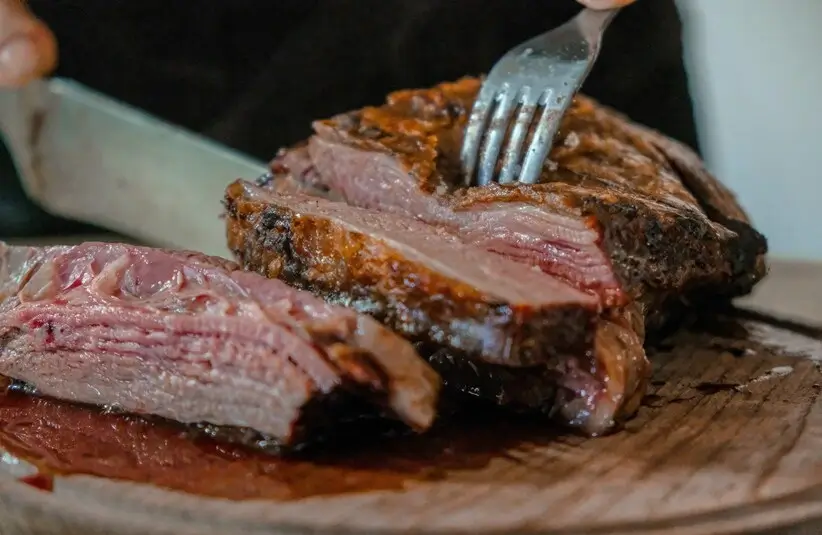
The Secret to Perfect Roast Beef for Christmas Dinner

When it comes to making a grand centerpiece for your festive table, a perfectly cooked roast beef for Christmas dinner is one that can be said to represent tradition and luxury. While the meat, garlic, and herbs sizzle, and the whole kitchen fills with their aroma, a celebratory mood is instantly set. The crackle of the golden-brown crust, followed by tender, juicy slices, has every guest’s eyes sparkling with impatience. Compared to turkey or ham, a roast beef still retains its elegance and simplicity, making it a good choice for hostesses who want a classy look without the hassle of a whole day in the kitchen.
This classic dish can be served with accompaniments such as roasted potatoes, Yorkshire pudding, and gravy, and the complete result will be nothing short of a ball of joy, comfort, and togetherness. For numerous families, getting a juicy roast beef has become a beloved Christmas ritual that represents plenty and sharing—the very essence of the festive season.
Choosing the Right Cut
The cut you choose for roast beef on Christmas dinner dictates everything else, and this can either steal or win the show on your holiday table. Prime rib is generally regarded as the best roast of all. It’s ample marbling that literally gets melted into the meat during cooking, thus providing a sensation of a rich, buttery flavor that is both indulgent and festive. If you want to go for something less fatty but still rich, then tenderloin is the option; it is known for its softness and sophistication, but it still has to be seasoned properly so as not to be tasteless.
Sirloin, on the other hand, has a good mix of taste and low price, making it a practical choice for big parties where taste won’t be sacrificed. Every cut has its own character, so consider the list of your guests and their likes: do they want richness, tenderness, or a hearty bite? The right cut sets the mood for the entire dinner, and the careful selection guarantees that your roast beef will be talked about long after the holiday lights are put away.
Seasoning Generously
Seasoning is the art of turning a good beef steak into a delightfully magical one, and Christmas is the opportune time to assert yourself. Salt and freshly cracked black pepper are essential, but with herbs and aromatics, the real magic can be pulled off by creating a flavor base. A layer of garlic and thyme is always a good choice, and it will release a very pleasant smell while the meat is cooking and will permeate the house with a beautiful scent that is typical of Christmas. The addition of rosemary will give a Christmas tree-like fragrance.
Mustard or horseradish can be used to add a strong, warm flavor that will not let the richness of the beef overpower it. Use a lot of seasoning and a big hand because every piece has to be flavored from the layer on the outside to the one in the middle. Rubbing the herbs and spices into the meat feels like a ritual, a way of adding not only taste but also care and tradition to the dish. When your guests get to the point of serving their first bite, it is the seasoning that makes them stop, swallow, and grin.
Mastering the Cooking Technique
Cooking of roast beef is as much science as it is art, and mastering the technique is the secret of getting that perfect balance of a caramelized crust and a juicy, tender interior. First of all, the beef has to be left at room temperature before it is roasted; this easy measure guarantees uniform cooking, and it also prevents the monstrosity of a raw center with done edges. The first blast of high heat – around 450°F (230°C) – is very important for making a golden and flavorful crust that locks in the juices and also sets the stage for the slow roast that comes next.
After searing, the lowering of the oven to 325°F (160 °C) lets the flesh cook slowly, which keeps the flesh tender and brings up the flavor. Here, precision is very important, and a meat thermometer is your best ally: rare at 120°F, medium-rare at 130°F, and medium at 140°F. But the real secret lies in the patience after cooking: resting the roast under a foil tent for at least 20 minutes allows the juices to redistribute and thus every slice is succulent instead of dry. This pause is not a waste of time; it’s the last step in promoting your roast from good to unforgettable.
Pairing with Festive Sides
Every roast beef needs an accompaniment, and the choice of your sides is what turns it into a complete Christmas feast. Roasted root vegetables such as carrots, parsnips, and potatoes will provide a basic sweetness and a familiar comfort, with their caramelized edges mirroring the roast’s crust. The Yorkshire pudding, with its puffiness and golden brown color, is traditionally a partner that absorbs the juices splendidly. The horseradish cream offers a sharp and refreshing contrapuntal flavor that helps the richness of the beef. A smooth red wine gravy or au jus unites everything, imparting richness and moisture to each bite.
Picture the side dishes as minor characters in a drama: they do not take away the limelight, but they elevate the main actor’s performance, thus making the whole scenario more impressive. The combination of the different tastes — juicy beef, sweet root veggies, brave sauce, and sumptuous gravy — makes the plate a festival of flavors that are full of life and completeness. This is the moment when your roast beef turns into not just a dish but a shared holiday experience that stands out.
Pro Tips for Christmas Success
Ultimately, the minor aspects and tricks are what change your roast beef from being impressive to being perfect. A meat thermometer is a must; it removes all guessing and gives a very accurate result because nothing is more disheartening than a centerpiece that is either overcooked or underdone. It is also important to dry the beef first before putting on the seasoning, as this will result in a crust that is crispy and tasty instead of soggy. Giving the roast some room in the pan is very beneficial as it allows the hot air to circulate uniformly, which means no side is left without that irresistible golden exterior.
Making gravy ahead of time is like having a shield from the stress of last-minute preparations, and having a rich, delicious sauce to accompany the beef is a bonus. These recommendations might look like minor ones; however, they are the main ingredients of a smooth and successful Christmas dinner. They empower you to worry less and to celebrate more. When you finally come to your roast beef, the only thing left to do is to take in the applause from your guests.
Conclusion
In the end, serving a perfectly cooked roast beef at Christmas is more than just a culinary choice—it’s a tradition that embodies warmth, celebration, and togetherness. From its irresistible aroma and tender slices to the joy of sharing it with loved ones, this dish transforms the holiday table into a feast of memories. With its balance of elegance, simplicity, and timeless flavor, roast beef remains the ultimate centerpiece for a festive Christmas dinner, ensuring that every bite is savored and every moment cherished.