
Shocking November 1st SNAP Suspension Overwhelming Food Banks Nationwide

It’s hard to describe the feeling of watching your child eat the last decent dinner you can afford, knowing there may not be another one tomorrow. Across the country, millions of families are waking up to that reality as SNAP benefits vanish into the void of a government shutdown. This isn’t just policy—it’s personal. It’s the sound of a fridge going quiet, the ache of a school lunch tray left empty, the quiet panic of a parent trying to stretch a dollar into a meal. And it’s happening now.
No More SNAP Funding
The USDA has confirmed that November SNAP benefits will not be issued. The emergency reserves are gone. The funding is frozen. And the message to families is chilling: there is no backup plan. For over 42 million Americans, SNAP is not a convenience—it’s the difference between eating and going hungry. It’s the reason dinner lands on the table, why breakfast shows up in the classroom, and why food banks can keep their shelves stocked. Without it, everything falls.
In states like California, Arkansas, and Mississippi, the cuts are already hitting. Notices are going out. Families are being told to prepare for nothing. And while the language may be bureaucratic—“funding lapse,” “program suspension”—the impact is brutal. It means no groceries. No school lunch. No safety net. Just silence.
Food Banks Step-Up
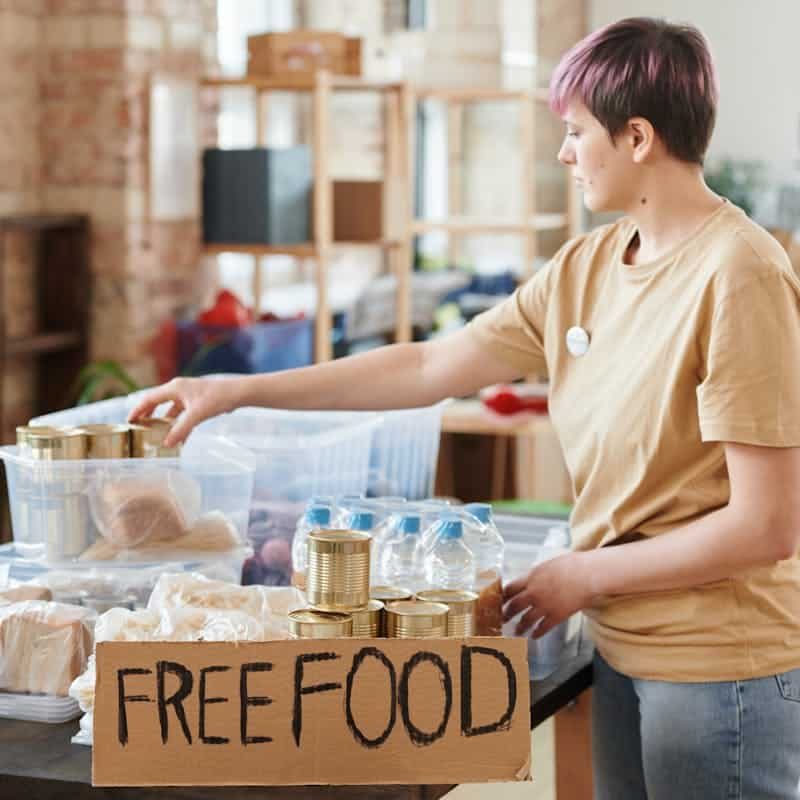
Food banks, already strained by inflation and rising demand, are bracing for a wave they cannot hold back. Shelves are thinning. Donations are slowing. Volunteers are exhausted. These places were never meant to carry the full weight of national hunger, but now they’re being asked to do just that. And they’re doing it with grace, grit, and heartbreak.
In Wake County, North Carolina, the Farm to School program lost its federal funding months ago. Fresh produce stopped arriving. Cafeterias went quiet. In Philadelphia, the SNAP-Ed program—once a vibrant source of nutrition education for tens of thousands of students—was cut without ceremony. These stories are not rare. They’re multiplying. And they’re devastating.
Families Share the Anxiety
This isn’t just about food. It’s about dignity. It’s about the right to feed your children without shame, without fear, without having to beg. SNAP was built to protect that right. To say, “You matter. Your family matters. Your hunger matters.” Suspending it sends the opposite message. It says, “You’re on your own.”
And yet, in the face of this cruelty, families are showing resilience. Communities are stepping up. Churches are organizing food drives. Neighbors are sharing what little they have. Teachers are slipping snacks into backpacks. It’s beautiful. It’s heroic. But it’s not enough. It shouldn’t have to be this way.
The government may call this a strategy. A negotiation. A temporary inconvenience. But for the families affected, it’s a gut punch. It’s a betrayal. It’s the kind of wound that doesn’t heal easily. Because once you’ve had to explain to a child why there’s no lunch today, no dinner tonight, no breakfast tomorrow—you don’t forget that.
Where You Can Help
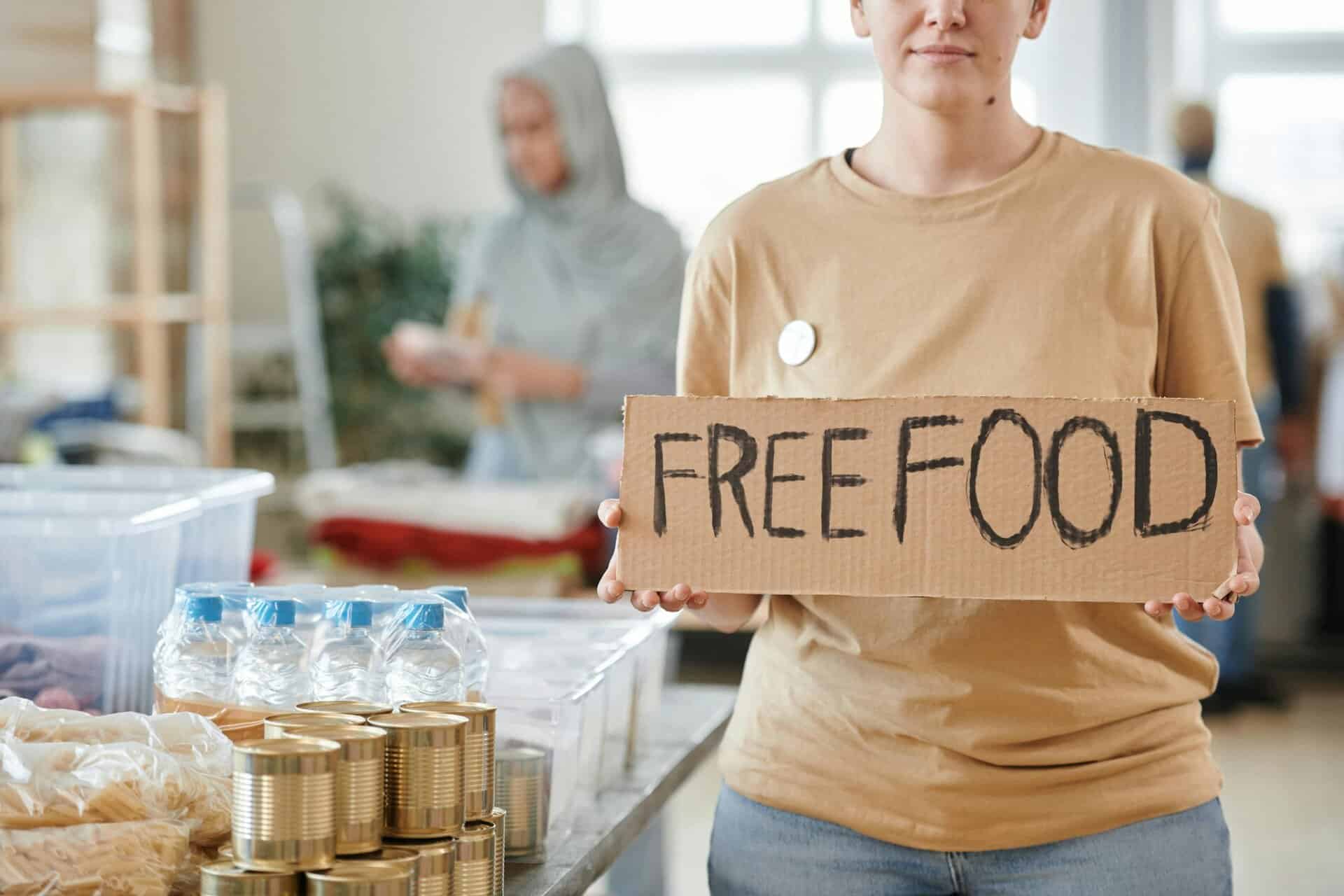
When systems fail, people rise. Across the country, communities are stepping into the gap left by SNAP cuts and food bank shortages—not because they have extra, but because they know what it means to go without. If you’re wondering how to help, start close to home. Your local food bank may be organizing emergency drives, extending hours, or calling for volunteers. Even small donations—canned goods, shelf-stable staples, diapers—can make a difference.
If you have time, offer it. Food banks need hands to sort, pack, and distribute. If you have skills, share them. Grant writers, drivers, translators, and organizers are all part of the quiet machinery that keeps these places running. If you have a voice, use it. Call your representatives. Ask what they’re doing to restore SNAP funding and protect school meal programs. Hunger is a human issue.
And if you’re struggling yourself, know this: you are not alone. Asking for help is not weakness—it’s survival. Food banks exist because communities believe in each other. Because no one should have to choose between groceries and rent. Dinner should not be a luxury.
This is a moment for compassion and action. The shelves may be thinning, but the spirit of mutual care is not. Help where you can. Speak when you must. And never forget that feeding each other is one of the oldest, truest acts of love.
Final Thought
SNAP and food banks are not luxuries. They are lifelines. They are the quiet infrastructure of compassion that holds this country together. And when they’re stripped away, the damage is not just physical—it’s emotional, spiritual, and generational.
This moment demands more than policy fixes. It demands empathy. It demands urgency. It demands that we stop treating food like a political pawn and start treating it like the sacred necessity it is. No one should have to fight for dinner. No child should have to learn on an empty stomach. No family should be punished for the failures of a system that was meant to protect them.
Hunger is not a partisan issue. It’s a human one. And the right to eat should never be up for debate.