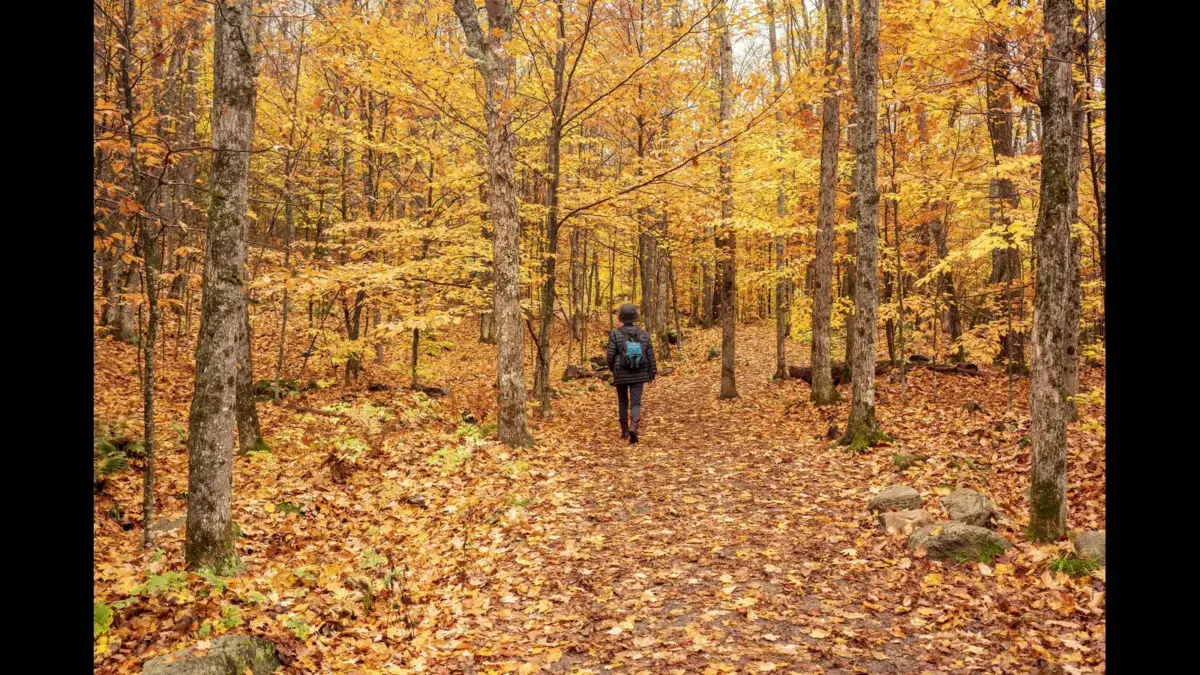
Autumn hiking comes with a shorter window of daylight and weather that can shift fast, which means trail prep matters more than it does in summer. A fall hiking safety guide built on guidance from the National Park Service at Devils Postpile National Monument lays out the basics every hiker should cover before stepping onto a trail this season, from route planning to the gear that gets you home safely.
Devils Postpile sits in the middle of more than 2 million acres of Inyo National Forest, with over 100 miles of hiking trails running through the surrounding wilderness, according to the National Park Service. The agency notes that anyone entering these wilderness areas takes on personal responsibility for protecting themselves from the risks and hazards they might encounter. That responsibility starts long before the trailhead, with a plan.
Plan Your Route Before You Go
The National Park Service advises hikers to have a plan in place before setting out and to tell someone else where they’re headed and when they expect to be back. That step matters even more in fall, when trail conditions and available light change quickly compared with summer months.
Getting familiar with the area ahead of time using a map is part of that planning process, the Park Service says. Knowing the terrain, the trail layout and your exit points before you start reduces the chances of getting caught off guard partway through a hike.
Pack The Right Gear
A flashlight and a whistle are two items the National Park Service recommends carrying on every hike. Both become more important once the sun starts setting earlier in the fall, giving hikers less daylight to finish a route than they’d have in June or July.
Signaling gear matters too. The agency recommends carrying both audible and visual signals, such as a whistle paired with a metal mirror, in case a hiker needs to alert others to their location.
Navigation tools round out the essentials. The National Park Service advises carrying a topographic map and compass, and knowing how to actually use them, rather than relying solely on a phone that can lose signal or battery power on longer trails.
Prepare For Weather Swings
Mountain weather can change dramatically, and the National Park Service urges hikers to carry clothing appropriate for those shifts rather than dressing only for the conditions at the trailhead. Hikers should also simply expect that weather will change during the course of a hike, the agency says, rather than assume morning conditions will hold.
Checking local forecasts before heading out, and keeping an eye on trail conditions reported by the park or land manager overseeing the area, gives hikers a clearer picture of what to expect once they’re away from cell service. Building a little extra time into a fall hike also helps account for an early sunset, since daylight runs out faster in October and November than it does in midsummer.
Food, Water And Health On The Trail
Eating well and staying hydrated are basic but essential pieces of trail safety, according to the National Park Service, which recommends carrying high-energy snacks along with plenty of water. At Devils Postpile, potable water is available from fountains next to the ranger station and at the restrooms, the agency notes, though hikers venturing farther into the backcountry won’t have that option.
For water collected on the trail, the Park Service recommends treating it by boiling or running it through an appropriate filter to prevent Giardia infection, a risk in untreated water sources throughout wilderness areas.
Stay On Marked Trails
Sticking to marked trails is one of the simplest pieces of guidance from the National Park Service, and it carries extra weight in fall when fallen leaves can obscure trail markers and footing on less-traveled paths. Straying off-route increases the odds of getting lost or hurt in terrain that’s harder to navigate once ground cover changes with the season.
Fall hikers checking conditions before a trip may also want to look at fall foliage reports for October 2026, which can offer a sense of how trails and surrounding vegetation are changing week to week. Those planning a longer trip around a hike might also check out ideas for road trip routes that pair well with outdoor stops.
What’s Next
Hikers planning an autumn trip should check the specific park or land management agency’s website for the trail they intend to use, since conditions, closures and water availability vary by location. The National Park Service’s guidance for Devils Postpile National Monument remains available directly through the agency for anyone hiking in that area.
 Don't stop here
Every Score. Every Story. One Home.
Breaking sports, entertainment and news from across the Total Apex network, updated all day.
Get the Full Story →