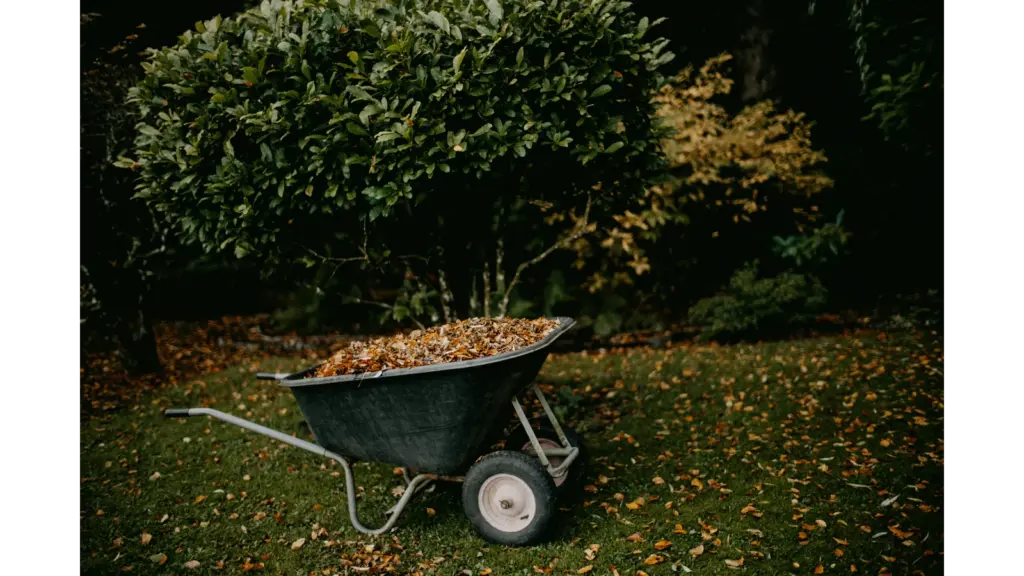
Fall in gardening is both ending and beginning—the fade of summer blooms and harvest, as well as the arrival of crisp autumn air that sets the stage for the rebirth of winter and spring. It’s a season to clean up, protect plants, replenish soil health, and even plant. Fall yard work might seem daunting, but it can be enjoyable and effective with the right tools. Investments in these tools save you time, effort, and frustration. Here are a few go-to tools to tidy up your fall garden beds and create the conditions for a thriving spring.
Leaf Blower
During fall, leaves are typically all over the place. These fallen leaves can suffocate your grass, keeping moisture and sunlight from penetrating the soil. Cleaning them up can be exhausting and time-consuming, but a leaf blower can be helpful. The tool offers a quick substitute for raking, effectively removing leaves from your yard in no time. Gardeners use it to remove leaves from flower beds without upsetting the mulch or plants and to clear inaccessible places like gutters and downspouts. Preferably use a leaf blower on calm days, as wind can blow the leaves back.
Hori Hori Knife
Is a must-have in your garden bag. Cut back perennials, slit plants, trim twine, pull dandelions, plant transplants, cut open bags, or even plant bulbs with a single tool—I guess it justifies why it’s called a multipurpose knife. The little gem is half knife and half trowel, with spikes that break ground more easily, useful when dealing with more difficult soil. It features a built-in measurement scale down its side that lets you know how deep you’re planting. It’s simple to use, and any hand size can comfortably grasp the traditional wooden handle.
Garden Rake
Is one of the most popular tools for fall cleanup. Ideal for collecting leaves, leveling soil, and cleaning in between plants. Rakes come in many types, each with different uses. Leaf rakes sweep light debris and collect leaves without harming fragile plants. Hard rakes can clear garden beds, remove weeds, and loosen soil because their tines are harder. Most standard garden rakes feature a lightweight design that facilitates easy handling, and their ergonomic handle eases back and arm strain. Some have adjustable heads that allow for width changes depending on the cleaning area.
Garden Fork
Spring isn’t the only time to turn the soil; working it in the fall is just as important. Especially when the soil is solidified and dried out from summer heat. The garden fork is a great tool for breaking up compacted soil, which promotes deeper root growth and better drainage. The garden fork is a great tool for breaking up compacted soil, which promotes deeper root growth and better drainage.
Its tines are robust enough to plow into the soil swiftly, piercing hard dirt. The digging tool comes in D- or T-shaped handles for a tight grip and makes it simpler to apply force. The garden fork also works well for cultivating, aerating the soil and compost, mixing the soil amendments into a bed’s surface, removing weeds, and preparing planting holes for perennials.
Prunners
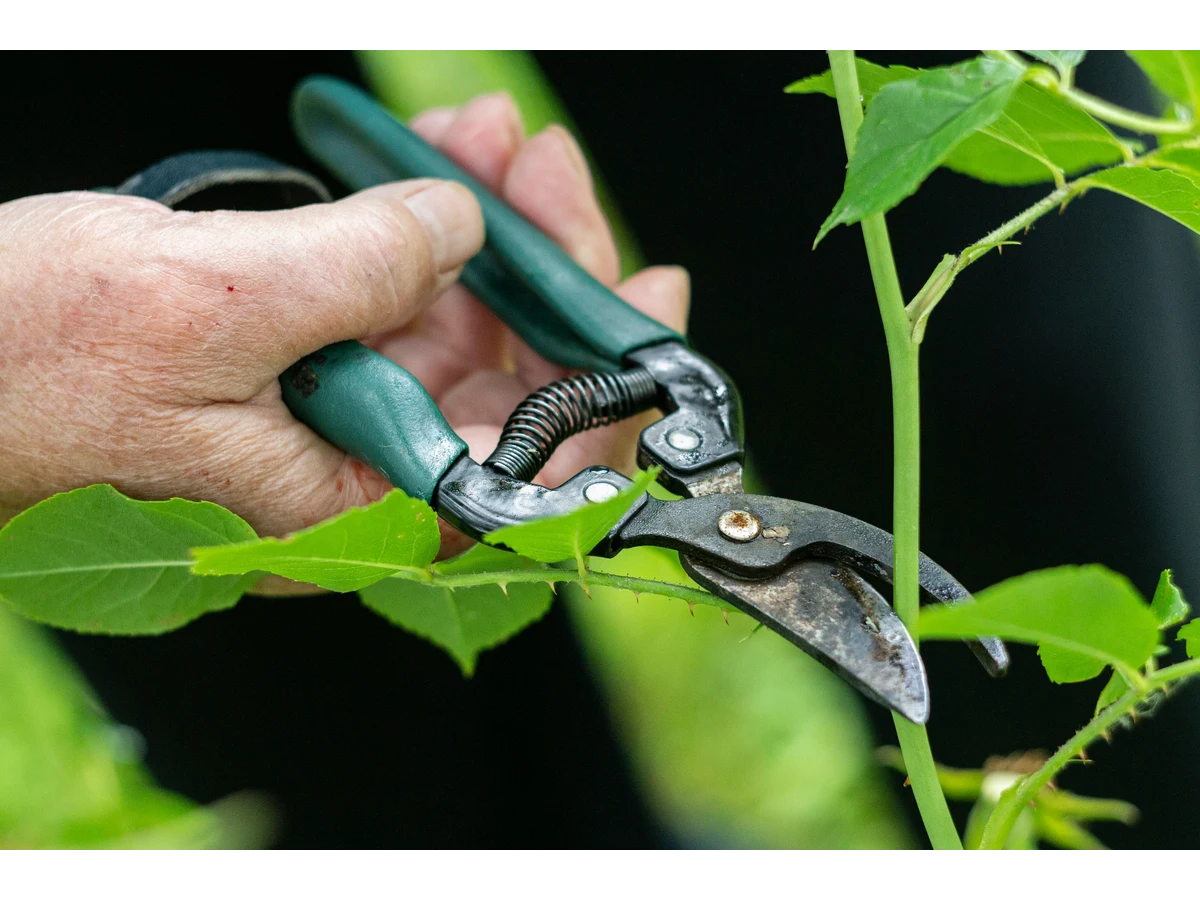
Pruning tools are essential items for a fall cleanup. Gardeners use them for deadheading, thinning, harvesting, cleaning, and season-end trimming. They support healthy growth and stop the spread of diseases by removing unhealthy or dead branches. Trimming dead branches and pruning overgrown trees, bushes, and plants as part of your fall cleanup spares you a headache in the winter. Handy pruners like bypass and anvil pruners cut live, green stems, branches neatly, dead timber, and dried-out stems. Loppers are a long-handled version of bypass pruners, ideal for heavier jobs such as cutting thicker stems or branches up to two inches in width.
Fall Gardening Prep Tips
Fall gardening prep is about cleaning up and promoting new growth as the weather cools. The following tips will pave the way for healthy grass come winter or spring, or your next planting season.
- Rejuvenate the soil: A thriving garden is built on healthy soil, and fall is the ideal season to make the venture. The soil may have lost vital nutrients over an extended season. Find out if your beds or soil require additional nutrients or pH modifications by doing a quick soil test.
- Check for pests and diseases: Look out for diseases when you clean. To prevent spread, remove infested plants and materials.
- Fall weeding: As temperatures drop in the fall, weeds begin to grow. To have fewer of them to deal with next spring, get rid of as many as you can now.
- Plant trees and shrubs: Fall is an ideal time to plant trees and shrubs because the earth is still warm enough for roots to grow a little before winter.
- Cut and prune: Fall is a good time to split congested perennials. The split encourages air circulation and robust regeneration.
- Collect leaves: Although fallen leaves give wildlife food and shade, too many of them can suffocate your garden and make cleanup more difficult.
A Setup For More Gardening Success
Late summer and early fall are among the most crucial seasons for gardeners. While fall marks the end of a growing season, it also gives your garden a chance for a brief rest. Fall garden bed preparation provides the best possible foundation for the next growing cycle and is less about immediate results. So don’t put your tools away just yet. The tools listed here help you easily clean, plant, and propagate, ultimately saving you time and effort this fall and in the seasons to come.
 Don't stop here
Every Score. Every Story. One Home.
Breaking sports, entertainment and news from across the Total Apex network, updated all day.
Get the Full Story →
Don't stop here
Every Score. Every Story. One Home.
Breaking sports, entertainment and news from across the Total Apex network, updated all day.
Get the Full Story →