
Resident Evil Requiem Innovates With Shared World

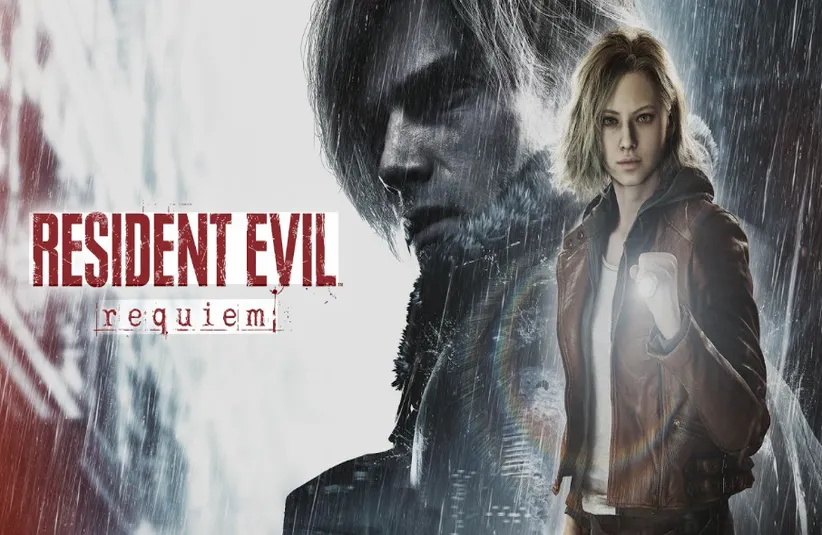
Resident Evil is set to deliver a fascinatingly two-faced experience with its upcoming sequel, Resident Evil Requiem. The game’s dual protagonist system, featuring the anxious newcomer Grace Ashcroft and the ax-wielding veteran Leon Kennedy, has been touted as a major innovation. But how much can simply switching characters really change the core survival horror loop?
Tag-Team Terror Comes to Resident Evil
A new revelation from the developers suggests the answer is: quite a lot. According to director Koshi Nakanishi, the game will feature a persistent world state that carries over between character switches. This means enemies dispatched by one hero stay dead for the other, and any precious resources left on the ground remain exactly where they were dropped.
This mechanic transforms a simple narrative device into a potent strategic layer, forcing players to think carefully about which character is best suited for each grim task. For instance, a room cleared of zombies by the combat-proficient Leon becomes a safe pathway for the less-equipped Grace. Conversely, ammo and herbs hastily bypassed by a fleeing Grace can later be scooped up by a more thorough Leon.
Grace Leaves the Mess, Leon Cleans It
This creates a peculiar, almost managerial dimension to the terror. The gameplay is no longer just about surviving an encounter with a given character; it’s about resource management across two very different inventories and skill sets. Does this turn the classic Resident Evil tension into a bizarre game of apocalyptic housekeeping? The potential for replay here is downright sneaky.
Imagine leaving a room packed with zombies untouched while playing as Grace, just so you can have the profound joy of revisiting it later as Leon, ax in hand, for a session of therapeutic zombie remodeling. This whole setup perfectly locks into each character’s vibe: you get to be the scaredy-cat who runs away, and then, with the press of a button, become the grumpy uncle who cleans up the mess with extreme prejudice. It turns survival horror into a weirdly satisfying game of supernatural delegation.
Swapping Characters Like Horrified Hot Potatoes
The sheer contrast between the two leads is being pitched as the game’s greatest strength. It’s almost like getting two distinct flavors of horror in one package. For players who might find pure, unrelenting dread to be a bit too much, this system offers a clever pressure valve. After being chased through dark corridors as Grace, the ability to switch to Leon and violently rectify the situation provides a deeply cathartic release.
Could this be the first Resident Evil title where the scariest thing is actually your own poor planning when switching characters? This design encourages a playful, almost experimental relationship with the game’s systems, a fresh twist for the long-running series. The persistent world ensures that no decision is wasted, making every bullet fired or zombie avoided feel strategically significant in a broader, two-character campaign.
Your Poor Planning is Now a Feature

From a purely practical standpoint, this also solves a classic player frustration. Nothing is worse than meticulously clearing an area only to revisit it later with a different objective and find it mysteriously repopulated by the undead. In Resident Evil Requiem, progress feels tangible and permanent, which should make the labyrinthine environments feel more like a puzzle box being slowly unlocked rather than a treadmill of repetitive combat.
This whole setup basically fuses the slow, panicked inventory shuffling of the classics with a snappier, almost managerial vibe. Is the secret plan to have players feel like stressed-out film directors, yelling “cut!” to swap out their terrified starlet for the angry guy with the ax when a scene needs more… visceral impact? It’s a pretty sneaky trick to make you feel clever and invested without messing with the series’ sacred, heart-pounding formula of having no bullets and too many doors.
Two Sides of the Survival Horror Coin
The legacy of Resident Evil has always been tied to memorable characters facing impossible odds. This new chapter, by splitting the focus so definitively, promises a richer exploration of that theme. We will not only see the world through the eyes of a jaded expert but also through the raw terror of a complete novice.
Their two wildly different journeys, glued together by this stubbornly persistent world, are basically a choose-your-own-adventure book where every choice is, “Do I want to be terrified or terrifying?” The whole experience of Resident Evil Requiem is going to be defined by how you, the player, decide to split the chores of not dying between these two.
It’s less about a shared burden and more about figuring out which poor soul gets stuck dealing with the basement this time. You become the manager of your own little horror startup, constantly asking if Grace’s anxiety or Leon’s anger is the right tool for the job. The resulting story will be deeply personal, shaped entirely by whether your survival strategy leaned more into frantic running or furious ax-swinging.
A New Strategic Layer for Resident Evil
Ultimately, this tag-team terror system is way more than a neat party trick; it’s like the game is handing you two controllers but only one couch, forcing you to play both sides of a very messed-up coin. The whole rhythm of panic gets a hilarious remix—you can literally nope out with Grace, take a deep breath, and then log back in as Leon to file a formal, ax-based complaint with the local zombie population. Suddenly, the most hardcore strategy isn’t just inventory management; it’s deciding which of your poor, fictional friends gets to have the worst day imaginable.
As a result, Requiem turns every replay into a sadistic new experiment in job delegation. Resident Evil Requiem appears to be leveraging its two leads to deliver a broader, more dynamic horror experience. Players will likely spend as much time planning their switches as they will aiming their weapons. This innovation could very well set a new standard for how character-driven narratives are woven into interactive survival horror.
Author
