
Grammy Awards Hit the High C’s with Five Fresh Faces for 69th Annual Ceremony

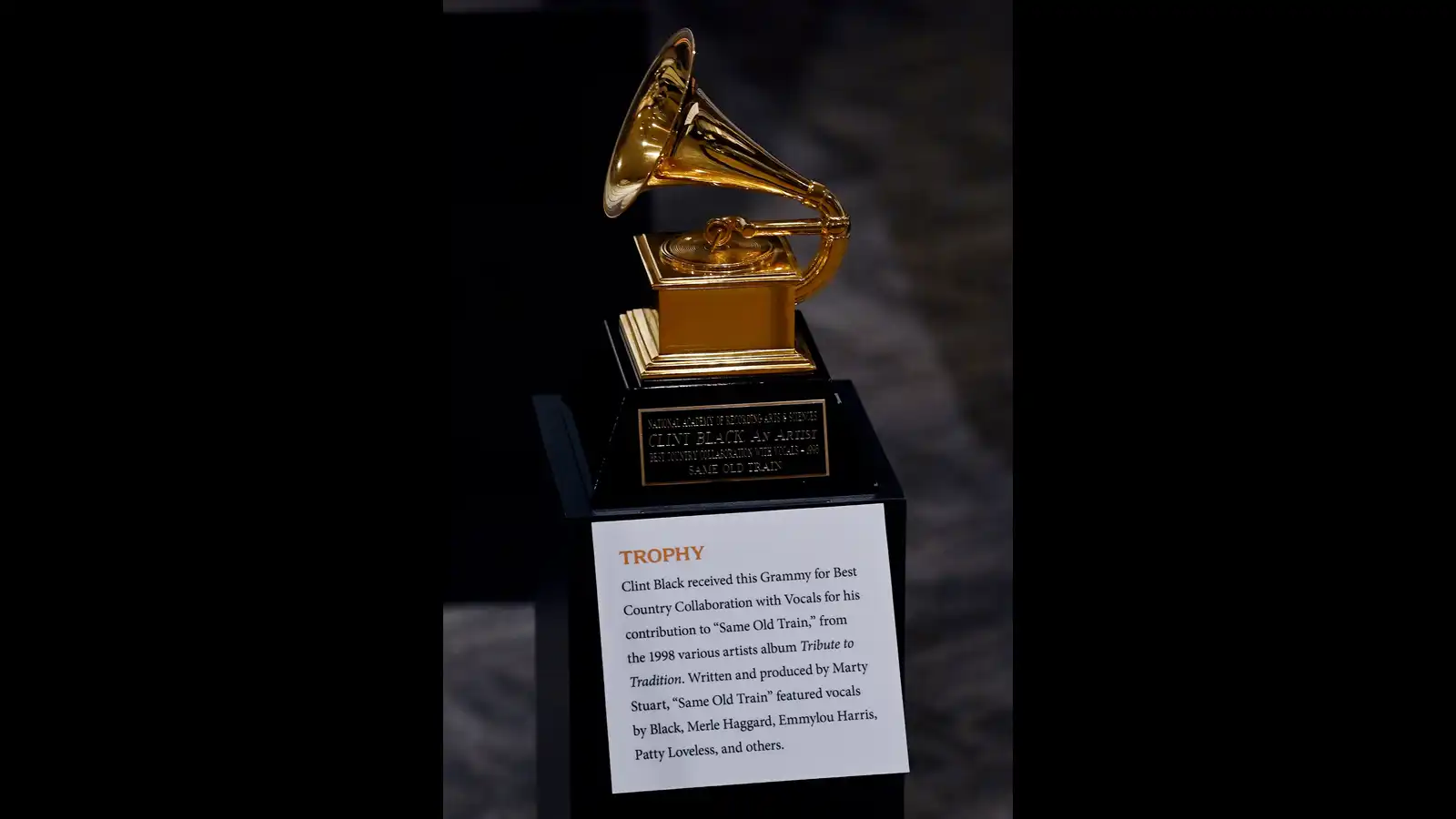
The Grammy Awards are officially trading in their old trophy polish for a brand-new set of shelves, because five shiny new categories are crashing the party for the 69th annual ceremony. The Recording Academy is clearly on a mission to prove that even at 100 awards, there is always room for one more slice of the musical pie. This expansion brings the total number of golden gramophones up to an even hundred, which begs the question: is there actually a category for the best acceptance-speech cry, or are they saving that for next year?
Fourth Time’s the Charm for Grammy Awards Hopefuls
Alongside these new additions, they’ve also loosened the reins on the Best New Artist rule, allowing acts to try their luck four times instead of three, a move that probably had a few artists breathing a massive sigh of relief. This is a big deal for folks like Ella Langley and Megan Moroney, who were staring down the barrel of permanent ineligibility after three previous entries. While this rule change is meant to reflect the slow-burn nature of modern fame, it also feels like a gentle nudge saying, “Hey, keep trying, you’ll get there eventually.”
K-Pop Gets Its Own Golden Gramophone
The most buzz-worthy and globally significant addition is the new Best Asian Pop Music Performance category, a move that acknowledges the unstoppable force of K-pop, J-pop, and C-pop. The Recording Academy is finally giving a dedicated home to the genre that has taken over stadiums and playlists worldwide, separating it from the general pop scrum.
It specifically requires a meaningful use of an Asian language, so no one can sneak in with just a single “saranghae” whispered in the background. This new field joins the ranks of other regionally-specific categories, proving that the music world is shrinking while the number of trophies expands. Does this mean the main Grammy stage might finally host a spectacle that makes a K-pop fan convention look like a library book sale?
The criteria also lay out that the musical style is what matters, not the ethnicity of the performer, which is a smart way to keep the focus on the art rather than the artist’s passport. It is a huge win for fans who have been screaming into the void for years that their favorite groups deserve a seat at the table, and now they have a chair that comes with a category all its own.
Songwriters and Duos Finally Get Their Due
Over in R&B land, the new Best R&B Collaboration or Duo/Group Performance is crashing the party, handing duos and collectives their very own slice of the spotlight pie instead of making them fight solo acts for table scraps. This splits the traditional performance category into solo and collaborative efforts, placing it on par with pop and country, which have long enjoyed this distinction.
Meanwhile, the Latin field is getting a massive boost with the addition of Best Latin Song, a songwriter-centric award that recognizes the craft behind the rhythm. The Recording Academy is making it clear that the architects of these hits deserve just as much recognition as the voices delivering them. This move also sees the return of a dedicated Best Traditional Pop Vocal Performance, giving crooners and cabaret stars a place to shine without being squeezed into the modern pop box.
From the Great American Songbook to contemporary musical theater, this category is basically a love letter to anyone who still believes in the power of a well-placed string section, and honestly, we are here for it. It feels like the Grammys are finally cleaning out their closet and giving every style of music its own hanger, which is a refreshing change from the usual mix-and-match of previous years.
Folk Returns and Voting Gets a Tune-Up
Rounding out the new additions is the resurrection of a classic: the Best Traditional Folk Album category, which splits the folk field back into “contemporary” and “traditional” halves. This decision reverses a consolidation made back in 2012, acknowledging that there is a distinct difference between a modern indie-folk ballad and a time-honored work song.
The Recording Academy is effectively saying that while they love a banjo, they also understand the difference between a protest song from the 60s and one written yesterday. This brings the total number of genres with both contemporary and traditional categories up to three, which is a neat bit of symmetry for the stat books. But the changes aren’t just about new trophies; the voting process itself is getting a shakeup with a new “Ballot Plus” option.
This allows certain voters to cast ballots in up to 15 categories instead of the standard 10, provided they have verified professional credits in those fields, essentially turning them into musical super-voters. It is a risky move that might dilute the expertise the Academy prides itself on, but they are betting that a verified pro knows what they are talking about, even if they are jumping between jazz and hip-hop with reckless abandon.
The Final Bow
As the dust settles on this avalanche of announcements, it is clear that the Grammy Awards are trying to evolve without losing their collective mind. They are acknowledging the global shift in pop culture, the behind-the-scenes heroes of songwriting, and the specific nuances of different folk traditions. While some might argue that more categories lead to more confusion, the intent seems to be inclusion rather than inflation.
Whether these changes result in a smoother show or just more frantic commercial breaks remains to be seen, but at least the artists have more chances to take home a trophy. From the glitz of Asian pop to the grit of traditional folk, the 2027 ceremony is shaping up to be a carnival of sound. And if nothing else, it gives us all a few more names to argue about around the water cooler the next morning.
Where to Check Out All Things Entertainment, Gaming, and Current Affairs
Social Media from David Gilbert
