
Final Fantasy’s Black Leader Broke Ground

Of all the games that defined the PlayStation era, few have sparked as much debate about character design as Final Fantasy VII. When the remake finally arrived in 2020, it brought with it a tidal wave of nostalgia and a fresh lens through which to view its diverse cast. Gamers who spent countless hours with the original 1997 classic suddenly had the chance to see beloved characters rendered in stunning high-definition detail.
Cloud Dressed Up, Barret Got Left Out
The timing of its release during the early pandemic days only intensified the emotional connection players formed with the game. But is Barret Wallace simply a collection of loud stereotypes wrapped in a bandolier, or is there something more meaningful happening with his character? This question lingered long after the credits rolled on this epic reimagining. The Wall Market scene kept Cloud in that dress, but finally dropped the cringey ’90s jokes about it.
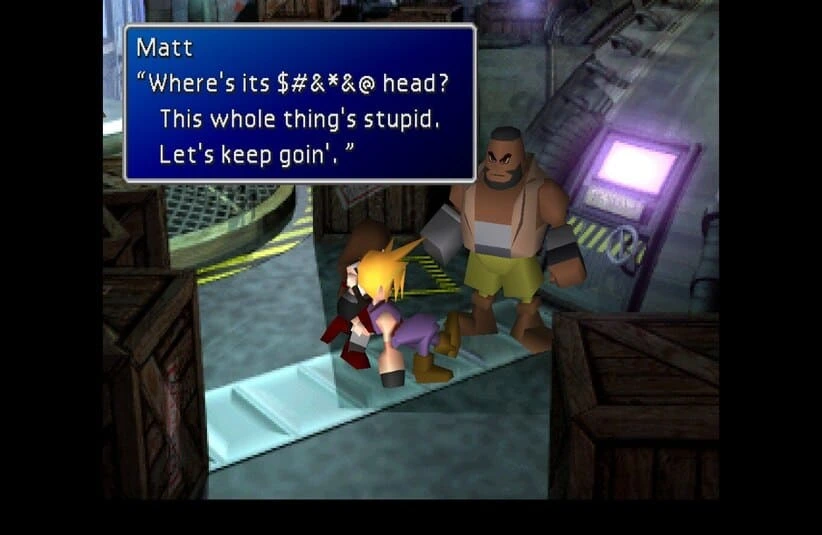
Pretty smart move, honestly. Did the developers show Barret the same level of care they showed that outfit? Gamers sure hope so because that dude deserved better than recycled stereotypes. Final Fantasy VII Remake had one job, and that was to treat its characters right. The character first appeared in Final Fantasy VII as a brash, gun-armed activist with dialogue peppered with expletives and a speech pattern that set him apart from the rest of the party.
The Loudest Voice in the Rebel Crowd
For Black gamers in 1997, seeing themselves represented in a fantasy world filled with airships and magic was a monumental moment. How could anyone overlook the significance of a Black leader in a genre that rarely included people of color? That initial appearance, however flawed, planted a seed that would grow into something far more complex over the following decades.
The Remake finally lets Barret breathe, showing him as a softie under all that bluster. He goes from shouting about the planet to gently reassuring his crew after a mission gone sideways. Critics call his passion overkill, but tell that to anyone who has ever been righteously angry about something. Why is fighting for your community a character flaw now? Final Fantasy VII hands him moments of genuine tenderness with Marlene, proving the guy has layers the 90s text boxes could never convey.
The Soft Heart Behind the Gun Arm
When John Eric Bentley stepped into the recording booth for Final Fantasy VII Remake, he wasn’t just reading lines off a script. The guy actually did his homework, digging deep into what made Barret tick beyond the whole gun-arm situation. You can hear it in every scene, especially when the Sector 7 plate comes crashing down.
Bentley takes Barret from furious to heartbroken to somehow holding it together for Tifa, all in the span of a few minutes. It’s the kind of performance that makes you forget you’re listening to a video game character and not some guy going through it really badly. Final Fantasy fans had waited years to see Barret done justice, and Bentley delivered something that made the shouting make sense.
Final Fantasy, as a series, has often relied on exaggerated personalities, but Bentley’s Barret feels grounded despite the fantastical setting. The character’s relationship with Marlene especially benefits from this nuanced approach, showing a single father navigating dangerous circumstances while raising a thoughtful, resilient daughter.
From 90s Stereotype to Modern Hero
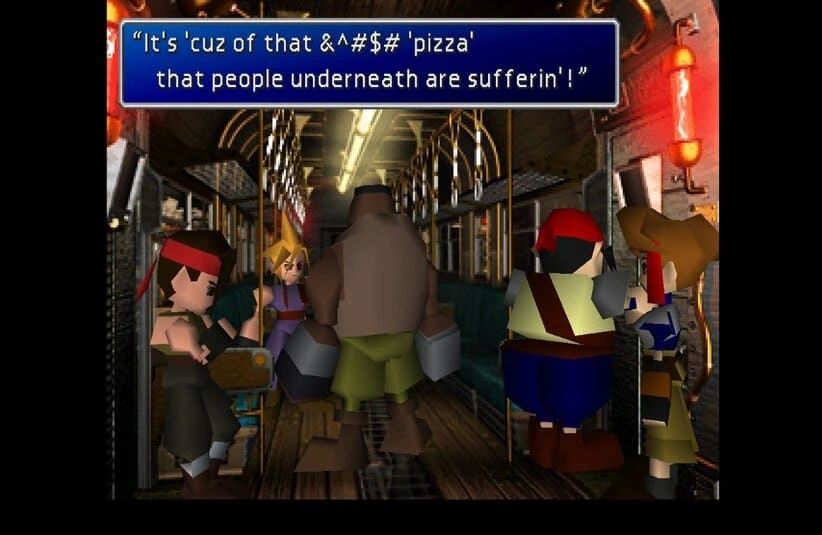
Some critics look at Barret and only see a checklist of stereotypes. They forget this guy was dreamed up by Japanese developers in the mid-90s, a time when most folks in Tokyo had about as much exposure to Black culture as they did to actual chocobos. The original Final Fantasy VII almost killed him off, but someone smart realized offing the only prominent Black character might send a weird message.
Fast forward to the remake, and Barret gets room to be more than just the angry guy with a gun arm. He leads, he parents, and he even makes sense as an environmental activist in 2020. Could his portrayal be better? Sure. But pretending he hasn’t evolved ignores decades of progress, both in gaming and in how we talk about this stuff. Sometimes characters grow alongside the audiences who love them.
Rude Sips Soda While Barret Shouts
Looking at how Final Fantasy VII handles its Black characters shows some real progress. Barret storms through every scene like a hurricane with a gun for an arm, while Rude sits back sipping soda in sunglasses, looking cool as hell. The game basically says Black folks can be loud family men or quiet professionals, which beats the usual one-Black-character-per-game rule.
Compare that train wreck, the Dungeons and Dragons movie, where Marlon Wayans had to play the cowardly comic relief solely because he was the only brother on set. Final Fantasy VII even has Cid, a white chain-smoking grump who acts just as intense as Barret, proving loudmouths come in all colors. When Cid shows up in later remake chapters, nobody can claim Barret’s personality is about race. The game spreads the personality traits around like hot sauce on everything.
Why Representation Actually Matters Here
The conversation around Barret ultimately reflects larger societal debates about how minority groups should be portrayed in the media. Knee-jerk reactions that demand the removal of any stereotypical elements risk erasing cultural specificity altogether. Black culture encompasses a vast range of expression, from working-class vernacular to professional polish, and all deserve representation.
The danger lies not in depicting particular traits but in limiting characters to only those traits without depth or variation. Final Fantasy VII Remake succeeds in expanding Barret beyond his original confines while retaining his essential identity. He still speaks with passion, still fights with conviction, and still leads with heart. These qualities, when combined with his tenderness as a father and his strategic thinking as a rebel commander, create a fully realized person rather than a collection of signifiers. The game trusts players to see the whole picture rather than fixating on surface-level impressions.
Final Fantasy Fans Waited Decades for Justice
The next Final Fantasy remake chapters could fine-tune Barret even more. Getting Black writers in the room helps avoid those awkward stereotype moments that make everyone cringe. Gaming needs diverse perspectives behind the scenes, not just colorful characters on screen. Who decided the only Black guy in Midgar had to be the loudest person in every room?
Barret broke ground back in ’97 when Black gamers rarely saw themselves saving fantasy worlds. His gun arm blew away expectations, even if his dialogue needed work. Progress happens one remake at a time. His flaws and strengths alike contribute to a portrait that, while imperfect, continues to evolve toward greater authenticity.
The conversation about his portrayal matters precisely because representation in media shapes how people understand themselves and others. Keeping that conversation going ensures that future characters will benefit from today’s insights, building on Barret’s legacy in ways that honor both his origins and his potential.
