
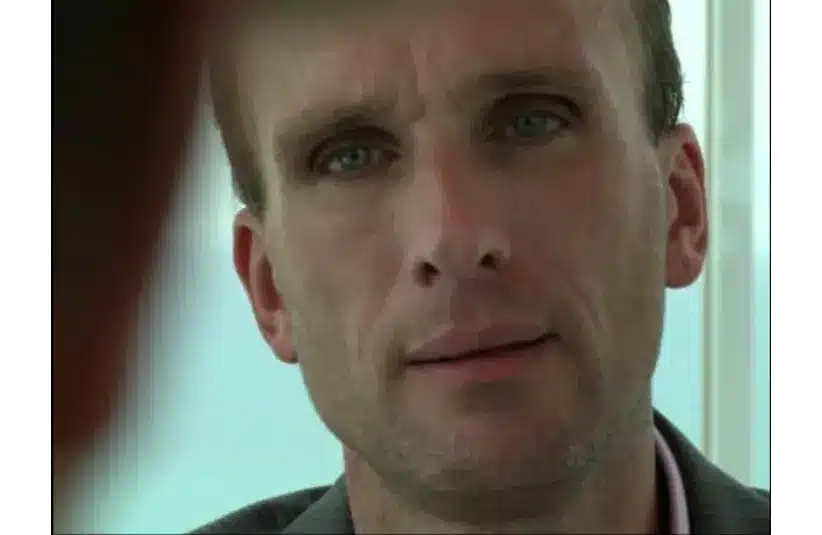
Tragic Update: 2 Months Later, Peter Greene’s Cause of Death Finally Confirmed

Two months after the sudden passing of “Pulp Fiction” actor Peter Greene, his cause of death has finally been made public. Fans who grew up watching him play unforgettable villains have been waiting for clarity, and now the New York City Medical Examiner’s Office has delivered it. The findings paint a tragic, accidental end to a complicated, talented life.
A Troubling Discovery in December
Greene, 60, was found dead inside his New York City apartment on December 12, 2025. Neighbors had grown concerned after loud music reportedly blared from his home for more than a day, prompting authorities to check in. What they found was a beloved actor gone far too soon, with no immediate explanation for what had happened.
According to multiple reports, Greene was discovered unresponsive in his Lower East Side residence, a place he had lived quietly despite his long Hollywood résumé. His death sparked immediate speculation, but officials made it clear early on that no foul play was suspected. Still, the lack of answers left a heavy cloud over the actor’s final days.
Cause of Death Confirmed as Accidental Gunshot Wound
After weeks of examination, the New York City Office of the Chief Medical Examiner confirmed Greene’s cause of death: an accidental gunshot wound to the left axilla—better known as the armpit—which severed the brachial artery, a major blood vessel supplying the arm. The injury caused catastrophic blood loss, leaving Greene with no chance of survival.
USA Today reported that Greene’s death was officially ruled an accident, with the medical examiner citing a “gunshot wound of left axilla with injury of brachial artery” as the immediate cause.
TMZ was the first outlet to break the details publicly, noting that Greene had “accidentally shot himself in the armpit, severing the artery that carries blood across the arm, elbow, forearm, and hand.”
Multiple major outlets later backed up the medical examiner’s findings, all landing on the same heartbreaking truth: Greene’s cause of death wasn’t some mystery or scandal—it was a freak, accidental injury he inflicted on himself, the kind of tragic misstep that leaves everyone wishing the story had ended differently.
A Career Marked by Intensity and Raw Talent
Even with all the heartbreak around how he died, what sticks with people is the work Greene left behind — those gritty, jagged performances that hit harder than anyone expected. Most folks still picture him as Zed in “Pulp Fiction” or the wild-eyed enforcer in “The Mask,” because that’s where he really carved out his space: playing the kind of villains you couldn’t look away from.
His characters were messy, unpredictable, and a little dangerous — the kind of roles that only work if the actor is willing to go all the way there. Greene always did. He had this raw, lived‑in energy that made even the smallest scenes feel like they mattered. You could tell he wasn’t phoning anything in.
Yeah, he had his struggles. Everyone knows that. But none of it erased the talent. If anything, it made his performances feel even more real. And that’s why his work still hits people who love the darker, stranger corners of film — because Greene brought something honest to every role, even the twisted ones. His legacy isn’t neat or shiny, but it’s unforgettable.
Hollywood Reacts to the Loss
News of Greene’s confirmed cause of death has reopened wounds for colleagues and fans who admired his craft. Tributes have poured in across social media, with many remembering him as a deeply committed performer who gave everything to his roles.
His manager, Gregg Edwards, previously confirmed Greene’s passing and expressed heartbreak over losing a client and friend who had fought hard to rebuild his life and career. Greene had been working steadily in recent years, taking on indie projects and reconnecting with the industry that once embraced him.
Peter Greene: A Complicated Legacy
The confirmation of Greene’s cause of death finally closes a chapter that’s been hanging in the air for months, but it doesn’t make the story any less painful. His passing — a freak accident that no one could’ve seen coming — is a harsh reminder of how quickly life can turn, even for people who always seemed larger than whatever chaos surrounded them.
Greene’s career was never smooth, and he’d be the first to admit it. But the mark he left on film, especially in the crime and thriller worlds, is impossible to shake. He had that rare thing — a presence you felt before he even spoke — and it’s why his work still hits people years after the credits roll.
Fans will keep going back to his movies, not out of morbid curiosity but because of the intensity he poured into every frame. Now that the truth about his cause of death is finally out, people can grieve without the fog of speculation and remember him for what he actually gave the world: raw, unforgettable performances that still punch you in the gut.
