
Black Characters Finally Look Like the Players Holding Controllers

Black characters in video games have left their mark on the interactive entertainment industry from its very earliest days. Their path, moving from simple pixelated figures to richly layered, multidimensional heroes, reflects wider cultural shifts happening across society. When someone picked up a controller in 1983, they saw something radically different from what a player booting up a PlayStation 5 experiences today. That journey from nameless, grayscale sprites to Miles Morales swinging through a vibrantly realized Harlem raises an interesting question: how exactly did we get here?
First Black Characters Had Blocky Bodies
The story actually starts during the 1970s with sports games pushing technological limits. Heavyweight Champ arrived in arcades back in 1976, bringing what many now recognize as one of the first black characters to appear on screen. The grayscale visuals left some room for debate about racial identification, but the 1987 version settled things completely with colorful sprites that showcased diversity clearly.
The Atari era saw black characters appear primarily on game boxes rather than in the actual gameplay, with titles like Basketball and Track & Field leading this trend. These surface-level depictions still managed to plant important seeds for what was to come. Developers eventually shed their timidity and began crafting far more meaningful black characters. This evolution paved the way for the rich, multidimensional portrayals that players genuinely connect with today.
Black Athletes Led The Console Charge
Gaming budgets went through the roof during the 1980s, and suddenly sports titles flooded the market, delivering real-world athletic heroes directly into people’s homes. Kids laced up the digital sneakers of legends like Daley Thompson or Mike Tyson, making the jump from passively watching them on TV to actively controlling them on the screen.
This leap bridged the gap between the thrill of real-world championships and the pure joy of gaming in a way nobody had ever seen before. Did these pixelated superstars ever fully understand the massive weight they carried on their blocky shoulders? Their presence in living rooms meant the world to fans, because they weren’t just random characters racking up points—they were actual sports icons whose real-life achievements gave every virtual victory genuine meaning.
Developers Centered Whiteness Everywhere Possible
Meanwhile, beat-em-ups and side-scrollers took a different approach to diversity. Quartet on the Sega Arcade System introduced Edgar, a Black character selectable from the start alongside three other options. Narc and Chase H.Q. followed in 1988, though they relegated Black characters to the second controller slot. This positioning sent a subtle message about who developers considered the default hero. The industry made progress, but whiteness remained firmly centered.
Street Fighter II Assembled Global Rosters
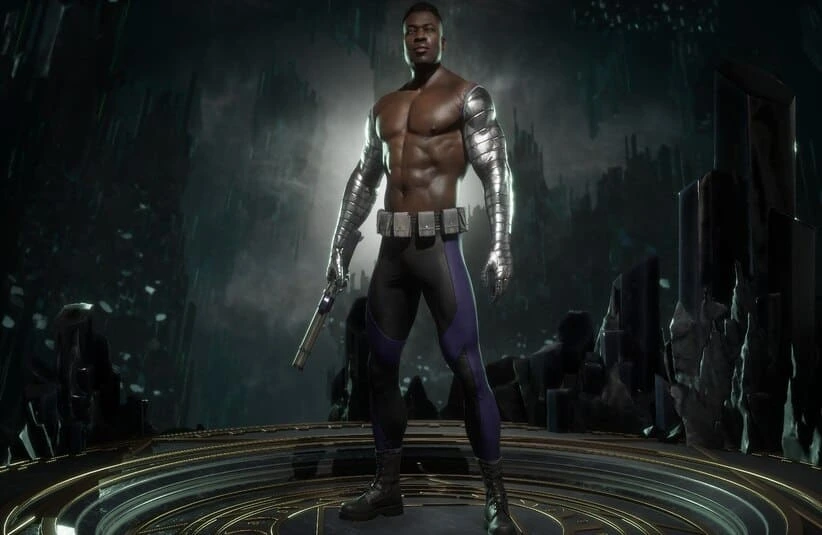
Fighting games eventually challenged these assumptions regarding black characters more directly. Street Fighter brought Mike the boxer to life in 1987, while Pit-Fighter introduced South Side Jim using groundbreaking digitized sprite technology. Street Fighter II and Mortal Kombat II smashed conventions by assembling a worldwide roster that broke racial and gender barriers in gaming.
Fighters like Jax, Balrog, and eventually Jade didn’t just change the way black characters appeared on screen; they transformed how those characters threw down in the ring. For the first time, players stepped into a world that finally reflected reality, tossing aside worn-out stereotypes for a lineup that actually looked like the people holding the controllers.
Black-Led Adventures Felt Politically Charged
Developers often assumed gamers wanted white male leads, which made any game with a Black protagonist feel politically charged by default. Cyborg on the Commodore 64 broke ground in 1986 as one of the first Black-led adventures, tasking players with saving an Earth expedition team. Street Beat followed with Funkytown, an entirely Black setting where Rockin’ Rodney used his ghettoblaster to make residents dance.
Could audiences really get behind these experimental worlds? Turns out they could, proving players would embrace different perspectives when given the chance. Licensed properties and celebrity vehicles carried much of the load throughout the 1990s. Michael Jackson’s Moonwalker, Shaq Fu, and games based on Beverly Hills Cop and Predator 2 all featured black characters at their centers.
Hip-hop integration brought even more diversity to video games through titles like Rap Jam, Wu-Tang: Shaolin Style, and the Def Jam series. Grand Theft Auto: San Andreas delivered Carl Johnson, a protagonist with remarkable depth who transcended the gangster archetype through nuanced storytelling and player choice, to become one of the most popular black characters today.
The Walking Dead Explored Fatherhood Deeply
As the new millennium arrived, video games began crafting far more nuanced Black characters who finally broke free from tired stereotypes. Players saw this shift with Lee Everett in The Walking Dead, a Black professor who carried an emotionally devastating story centered on survival and fatherhood. Similarly, Lincoln Clay from Mafia III took players through a Vietnam veteran’s brutal fight for revenge, all while exposing the deep wounds of systemic racism in a corrupt New Orleans.
Through these characters, the medium moved past one-dimensional roles to explore complex personal and social struggles. Watch Dogs 2 gave players Marcus Holloway, a hacker fighting against algorithmic oppression in San Francisco. These characters existed beyond the limited frameworks that constrained earlier generations.
Dandara Brought Afro-Brazilian Magic Everywhere
Black womanhood finally received proper attention through characters like Aveline de Grandpré in Assassin’s Creed III: Liberation. She balanced assassin training with navigating New Orleans high society as a businesswoman of color. Dandara brought an Afro-Brazilian warrior to life in a beautifully surreal Metroidvania experience. Apex Legends continues expanding representation through Lifeline and Bangalore, proving that battle royale games can feature diverse casts without sacrificing commercial success.
Harlem Swung Into PlayStation Living Rooms
Marvel’s Spider-Man: Miles Morales achieved a historic first when it arrived alongside the PlayStation 5. A Black character finally led the charge into a new console generation, with Miles’ face appearing on billboards, buses, and posters across the globe. Look, here’s the proof: a game starring a Black hero sold over four million copies and got rave reviews. That’s not a niche success—that’s mainstream. Nadji Jeter brought that character to life, balancing the weight of being a hero with real responsibilities to family and community.
Nuchallenger Created Authentic Black Stories
Even studios like Nuchallenger, run by Black creators, are showing what happens when you stop guessing and start listening. Authentic stories come from real experiences, not checkboxes. When developers bring their whole selves to the work, players get richer, more honest worlds because of it. The industry has traveled an incredible distance from grayscale boxers to the rich tapestry of Black experiences available today.
Cyborg’s pixelated adventure on the Commodore 64 paved the way for Marcus Holloway’s San Francisco freedom. Edgar’s optional selection in the Quartet preceded Miles Morales leading an entire console generation. Black characters have always existed in these digital spaces, even when the industry tried to hide them in second-player slots or stereotype them into narrow roles.
Their presence throughout gaming history proves representation matters not as a trend but as a fundamental aspect of telling complete human stories. The future promises even more voices, more perspectives, and more heroes who reflect the beautiful diversity of players holding controllers around the world.
