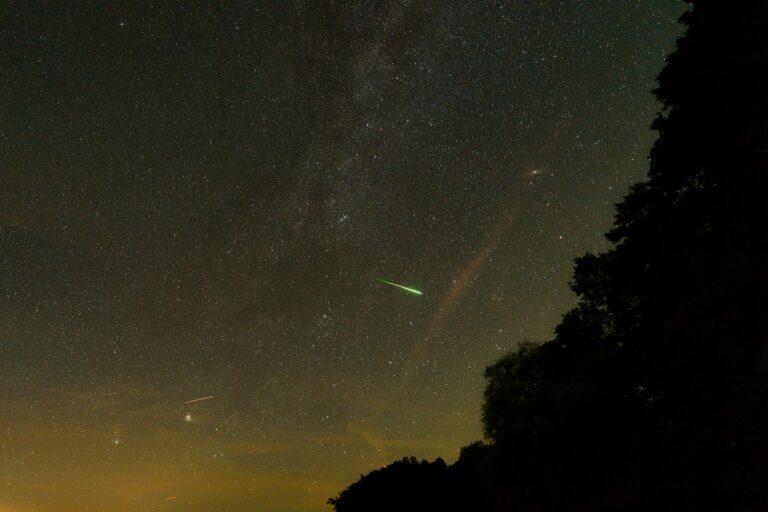
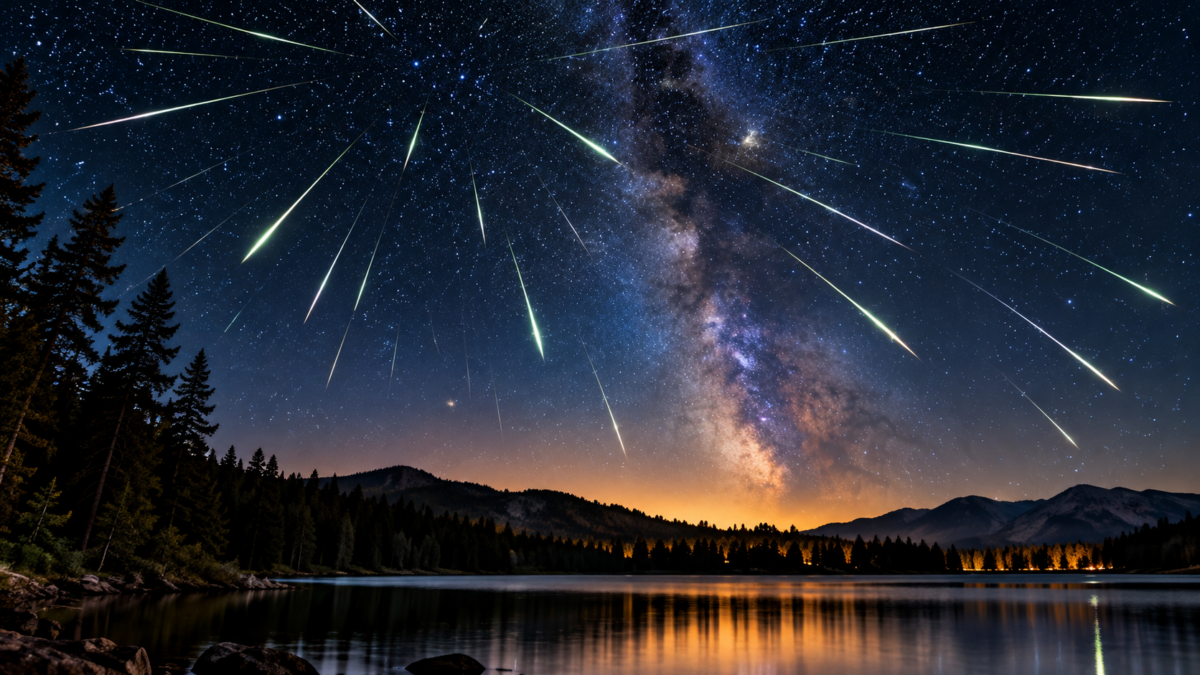
The Draconids meteor shower is active from Oct. 6 through Oct. 10, 2026, with its peak arriving the evening of Oct. 8 into the early hours of Oct. 9, according to The Old Farmer’s Almanac. Unlike most meteor showers that demand a middle-of-the-night wakeup, the Draconids put on their best show right after dark, according to USA Today.
Peak viewing begins just after sunset, roughly between 7 p.m. and 9 p.m. local time, USA Today reported. That timing, combined with a moon that will be only about 1% full during the peak, means skywatchers get a dark, moonless backdrop with little interference, according to the Almanac.
When The Draconids Peak In 2026
The Draconids run from Oct. 6 to Oct. 10, 2026, but the peak night is Oct. 8 into the predawn hours of Oct. 9, the Almanac reported. Timeanddate notes the best time to watch falls just after nightfall, since the peak lines up closely with a new moon this year, leaving skies dark and free of moonlight.
The Draconids open a stretch of frequent meteor activity. Showers will appear roughly every one to two weeks through late December, the Almanac reported, making the Draconids the first entry in that run.
Where To Look For Draco
The Draconid shower takes its name from Draco, the constellation that serves as its radiant, the point in the sky from which the meteors appear to streak outward, according to USA Today. During peak viewing hours, Draco sits high in the northern sky in the evening.
Meteors during any shower can appear across the entire sky, not just near the radiant, according to the Almanac. For the best results, the Almanac recommends looking at the stretch of sky between the radiant and the zenith, the point directly overhead.
Expected Viewing Conditions
The Draconids are not one of the year’s largest meteor displays, the Almanac reported, but 2026 offers favorable conditions: a nearly dark moon and an early evening peak that does not require staying up past midnight. The shower is visible to the naked eye, though actual visibility depends on local sky conditions, according to USA Today.
Clear skies and distance from artificial light remain the biggest factors in how many meteors a viewer can spot.
Tips For Finding A Dark-Sky Spot
The Almanac recommends watching in the evening from a dark location well away from city lights for the best chance at seeing Draconid meteors. Light pollution from streetlights, homes and nearby towns can wash out all but the brightest streaks.
USA Today also recommends giving your eyes time to adjust once you arrive at your viewing spot. It takes a minimum of 20 minutes for eyes to fully adapt to darkness, so put away phones and other bright screens during that window and throughout the viewing session.
No special equipment is needed. A reclining chair or blanket, warm clothing and patience are the main tools for a productive night of meteor watching. Readers looking to make the most of quiet evenings at home between stargazing sessions might also find useful ideas in tips for a calmer home environment.
What’s Next
After the Draconids wrap up Oct. 10, skywatchers won’t have to wait long for the next display, with meteor showers returning every one to two weeks through the end of December, according to the Almanac. Checking a current meteor shower calendar closer to each date is the best way to confirm exact peak nights as they approach.
More Holidays & Seasonal news from Total Apex Entertainment.
 Don't stop here
Every Score. Every Story. One Home.
Breaking sports, entertainment and news from across the Total Apex network, updated all day.
Get the Full Story →
Don't stop here
Every Score. Every Story. One Home.
Breaking sports, entertainment and news from across the Total Apex network, updated all day.
Get the Full Story →