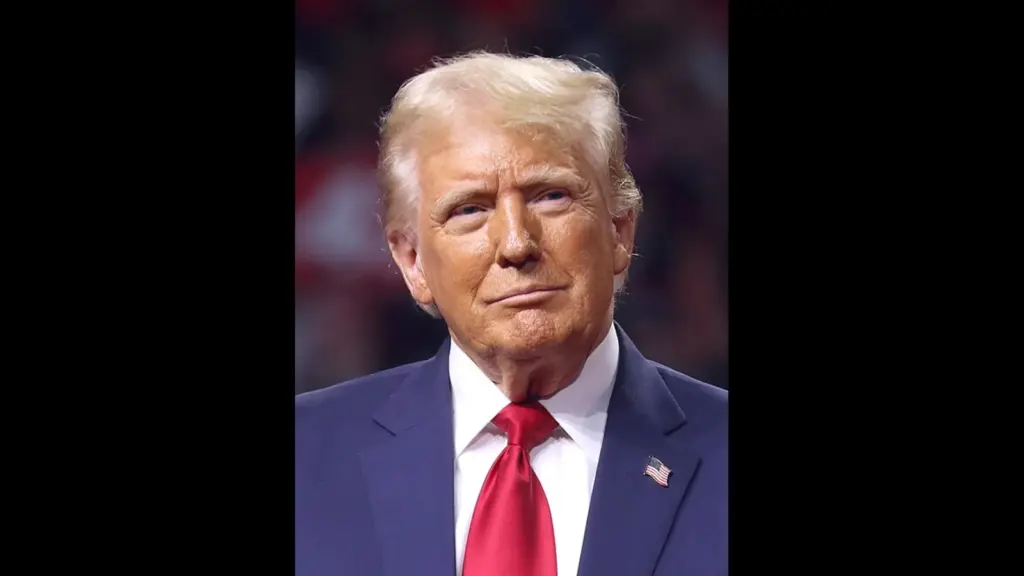
President Donald Trump announced an agreement with Russia on Oct. 9 to import diesel fuel into the United States, a move he says will lower diesel fuel prices for American consumers ahead of the November midterm elections. Analysts who spoke with CNBC, CNN and Fortune say the volumes involved are too small to meaningfully move the market, and Ukrainian President Volodymyr Zelensky has criticized the arrangement as a win for Moscow.
Trump said Russia will supply 300,000 tons of diesel immediately, according to USA Today. The outlet reported Trump said a further 1 million tons would follow in November, while CNBC and CNN reported the November figure at 500,000 tons. Trump said an additional 3 million tons would arrive within a short period after that, depending on the condition of Russian refineries, USA Today reported.
To enable the deal, the Treasury Department lifted Russian oil sanctions through April 7, 2027, according to USA Today. The move comes weeks after Trump signed a major Russia sanctions package intended to cut off funding for Moscow’s war in Ukraine, the outlet reported.
What The Diesel Deal Would Actually Do
Trump posted on Truth Social on Oct. 9 that the agreement was a priority for his administration. “Lower prices for Americans, especially our Great Farmers, Ranchers, and Truckers, is my Greatest Priority. This is a very big and important announcement,” he wrote, according to USA Today.
The national average price for diesel fuel stood at $6.23 per gallon, according to USA Today, while Fortune reported a figure of $6.277 per gallon. By comparison, the average price for a gallon of diesel in the European Union was $9.12, according to USA Today.
Russia had banned diesel exports in early July after Ukrainian drone strikes damaged its refineries, USA Today reported. Trump also signed an executive order deferring the 24-cent federal tax per gallon on diesel until the end of the year, according to Fortune.
What It Means For Diesel Prices And Consumers
Energy analysts who spoke with CNBC and CNN said the scale of the Russian diesel shipments falls far short of what would be needed to shift U.S. prices. CNN reported that the announced volumes, the initial 300,000 tons plus later tranches, add up to roughly 6 million barrels, enough to cover about a day and a half of U.S. demand.
Dan Pickering, founder and chief investment officer at Pickering Energy Partners, told CNN the deal would produce only a modest supply bump. “We are talking PERHAPS a 5-6% increase in supply between now and year-end. Bottom line, this is helpful but not a needle mover for global diesel markets,” Pickering said.
Mohit Kumar, chief European economist at Jefferies, told CNBC the volumes agreed to are unlikely to shift prices in a meaningful way, though they could ease some pressure. Neil Atkinson, former head of the Oil Division at the International Energy Agency, told CNBC the U.S. uses 3.7 million barrels of diesel a day against global daily demand of 29 million barrels, with the country already holding 105 million barrels of commercial diesel stocks.
Michael Lynch, a distinguished fellow at the Energy Policy Research Foundation, told Fortune the plan would mostly reroute existing supply rather than add new barrels to the market. “It’s kind of shuffling deck chairs on the Titanic. If we get diesel from Russia, basically it means that their existing customers are not going to get it and they’ll have to go somewhere else, and that will keep the price basically where it is now,” Lynch said.
Background And The Political Stakes
High fuel prices tied to the U.S. war with Iran have become a political liability for Trump and congressional Republicans heading into the midterms, according to USA Today. States such as Alaska, Iowa, Kansas and Nebraska depend heavily on diesel for electricity, heating and agriculture and have emerged as midterm battlegrounds.
Pew Research Center polling cited by CNBC found 84% of registered voters consider the economy “very important” to their vote. Trump also announced an energy ceasefire between Russia and Ukraine on Sunday, which initially sent oil prices lower on Monday, CNBC reported. Russia later struck a power plant following the announcement, and oil prices rose again, according to CNBC.
Zelensky criticized the timing of the diesel deal, calling it “a weak decision of strong partners,” CNN reported. He noted that Trump spoke with Russian President Vladimir Putin while Ukrainian officials were in Florida for talks with American counterparts. “In this exact moment when our team is talking to the American team in Florida, the US President has a conversation with Kremlin leader, with the leader of this war, the leader of this aggression,” Zelensky said, according to CNN.
What’s Next
The lifted Treasury sanctions run through April 7, 2027, giving the diesel arrangement an extended window to play out, according to USA Today. Whether Russia can deliver the stated volumes given refinery damage from drone strikes remains unaddressed in current reporting, and no outlet has detailed the specific mechanism or timeline for shipments. Diesel prices and midterm election outcomes in heavily affected states will offer the clearest early signals of the deal’s real-world impact.
More Consumer Lifestyle news from Total Apex Entertainment.
Read more Entertainment coverage on Total Apex Entertainment.
 Don't stop here
Every Score. Every Story. One Home.
Breaking sports, entertainment and news from across the Total Apex network, updated all day.
Get the Full Story →
Don't stop here
Every Score. Every Story. One Home.
Breaking sports, entertainment and news from across the Total Apex network, updated all day.
Get the Full Story →