Frank Cho Faces Backlash Over Artwork of Rogue, ThunderCats, Power Girl, and Poison Ivy

The world of comic books is no stranger to heated debate, but few artists provoke discussion as consistently as Frank Cho. For fans who enjoy dynamic art and stunning pin-up style illustrations, Cho’s work is a must-see. However, a recent spate of “Outrage” sketch covers has once again ignited a fiery discourse on objectification, satire, and creative freedom within the industry.
The ‘Outrage’ Covers Phenomenon
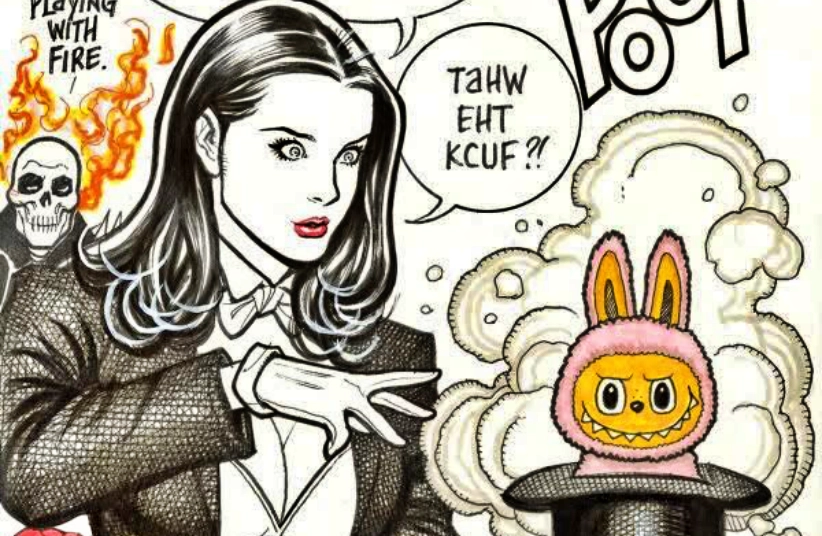
Frank Cho’s controversial art is often part of a collection he calls his “Outrage” sketch covers. This concept began as a direct response to criticism he received for previous pieces, most notably a Spider-Gwen variant. The covers are typically drawn on blank comic book variants and depict popular female characters in suggestive, exaggerated poses. The art often features a small character in the background yelling “Outrage!”—a satirical nod to the public reaction Cho’s work frequently generates.
This series has expanded to include commissions and covers featuring a diverse array of fan favorites. The artist has repeatedly drawn flak for his interpretations of DC’s Power Girl and Poison Ivy, as well as Marvel’s Rogue, and even beloved animated characters like the ThunderCats‘ Cheetara. Each piece, often fetching high sums at auction, pushes the envelope, leaning heavily into a classic “cheesecake” aesthetic.
In an article on Bleeding Cool News, “Even more so, he has now started auctioning them off and has been getting mid-four-figure sums for some of them…Oh, yes, and then he compiles examples of these and many more, and sells them as bound books, which are also sold at comic conventions and online. And yes, that basically means that if he draws one a day, he can earn a mid-six-figure salary a year through this alone.”
Critique vs. Censorship: The Divide
The core of the backlash revolves around the sexualization of these iconic characters. Critics argue that Cho’s work is misogynistic and reduces complex female heroes and villains to little more than sexual objects. They contend that in an era striving for more diverse and empowering representations, such art undermines progress.
Conversely, Frank Cho and his supporters adamantly defend the artwork as harmless pin-up art, free expression, and satire. They view the critiques as an attempt to censor artistic style and personal taste. Cho himself has often dismissed the uproar. In response to previous controversies, he once stated, “To be honest, I was amused and surprised by the uproar since it was, in my opinion, over nothing. It’s essentially a small group of angry and humorless people ranting against my DRAWING of a pretty woman. It’s utter nonsense.”
The Lucrative Side of Controversy
Despite—or perhaps because of—the perpetual controversy, the market for Frank Cho’s “Outrage” covers remains robust. The highly collectible nature of the original artwork, combined with the notoriety of the subject matter, means that his sketch covers often command mid-four-figure sale prices, generating a significant revenue stream for the artist.
For many fans, the drawings are simply a celebration of a particular art style that emphasizes classic beauty and exaggerated comic book physique. Ultimately, Frank Cho’s approach to characters like Rogue, Power Girl, and Poison Ivy forces the comic book community to continually grapple with the boundaries of taste, art, and the evolving portrayal of female characters.
His “Outrage” covers continue to be a Rorschach test for where individual fans draw the line. And while the arguments over objectification versus artistic freedom persist, one thing is certain: Frank Cho’s sketches ensure that the conversation about how women are depicted in comics remains front and center, proving that art, even in satire, still has the power to provoke and divide.