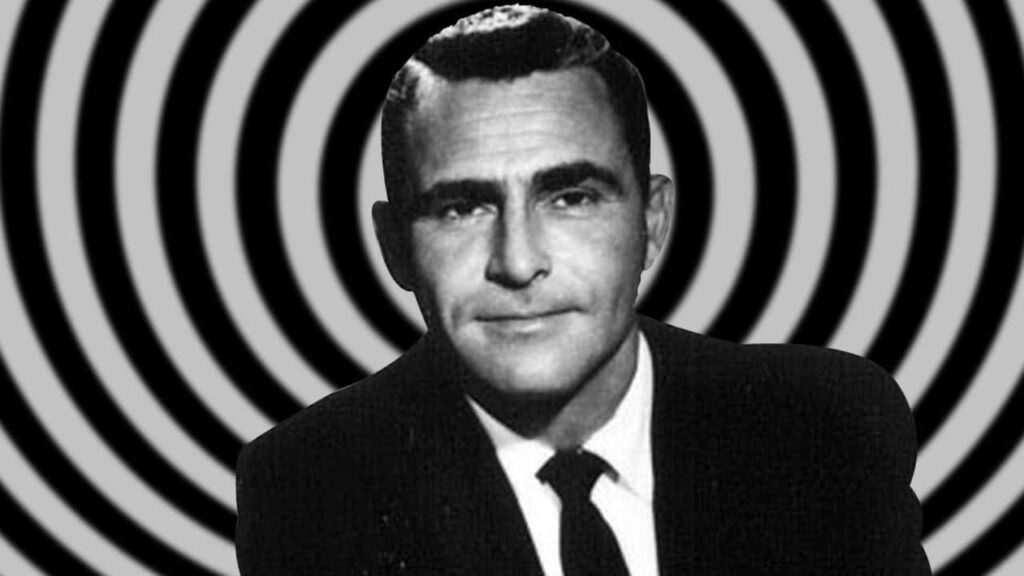
Bill Mumy is an underappreciated actor and unsung sci-fi legend with a unique distinction: he’s the only performer to star in three different versions of “The Twilight Zone.” From Rod Serling’s original series in the 1950s to the 1983 feature film and a 2000s TV revival, Mumy has left an indelible mark on one of television’s most iconic franchises. From the original Rod Serling series in the 1960s to the big-screen film in 1983 and a 2000s TV revival, Mumy has left an indelible mark on one of television’s most iconic franchises.
Born in 1954, Mumy is best known for his starring roles in “Lost in Space” and the cult classic “Babylon 5.” His Twilight Zone appearances rank among the franchise’s most memorable moments. Here’s a complete guide to all three.
Bill Mumy in the original Twilight Zone: Two roles
Mumy made his first appearance on Rod Serling’s original “The Twilight Zone” in Season 2’s “Long Distance Call.” He played a young boy who could speak with his deceased grandmother through a toy phone. The episode explores the supernatural bond between the child and his grandmother from beyond the grave.
His second and most celebrated appearance came in Season 3’s “It’s a Good Life,” playing Anthony Fremont, a 6-year-old wielding godlike powers with the cruel, unpredictable whims of a child. In an interview with The Television Academy, Mumy said he understood that Anthony was a metaphor for the “undisciplined United States,” but he loved the character because “he was just the ultimate mutant and he was cranky.” The episode is widely considered one of the show’s finest installments, and Mumy’s chilling performance as the capricious, god-like child remains one of the Twilight Zone’s scariest moments.
Mumy returned in Season 5’s “In Praise of Pip,” portraying the younger self of a wounded Vietnam soldier who materializes before his bookie father in a supernatural vision. The episode shifts the tone from sci-fi horror to emotional drama, showcasing Mumy’s range as an actor.
The 1983 Film: A Cameo Comes Full Circle
In 1983, Mumy returned to “The Twilight Zone” in a different format: the feature film “Twilight Zone: The Movie.” He made a small cameo appearance in the film’s third segment, which was a remake of his most iconic episode, “It’s a Good Life.”
The film also starred Dan Aykroyd and Albert Brooks in a framing device and featured several new takes on classic Twilight Zone stories. Mumy’s brief appearance in the Anthony Fremont remake connected the original 1960s episode to a new generation of viewers discovering the story on the big screen.
The UPN Revival: Reprising Anthony Fremont
The early 2000s brought another Twilight Zone revival, this time on UPN. Mumy returned as a grown-up Anthony Fremont in the episode “It’s Still a Good Life,” a direct sequel to the original 1960s episode. Mumy contributed to crafting the sequel concept itself, according to TVLine.
The new episode featured Mumy’s daughter Liliana playing Anthony’s child, who possesses the same terrible superpowers. The multigenerational take on the classic story gave longtime fans a chance to see how Anthony’s godlike abilities played out as he became a parent himself.
How to Watch
All three original “Twilight Zone” episodes starring Bill Mumy are available on Paramount+, which holds the rights to Rod Serling’s series. Streaming availability can vary by region and subscription tier, so check the service directly for current details.
“Twilight Zone: The Movie” (1983) is available to rent or purchase on multiple platforms. Check where it streams in your region to catch Mumy’s cameo in the third segment.
The UPN revival episode “It’s Still a Good Life” can be found on DVD releases of the complete UPN series.
Why These Episodes Matter
Mumy’s Twilight Zone appearances represent some of the franchise’s most ambitious and unsettling storytelling. “It’s a Good Life” especially remains a masterclass in science-fiction horror: the idea of a child with god-like powers and no moral compass taps into primal fears about safety, control and parental helplessness.
His appearances across three different eras of the show also document the evolution of “The Twilight Zone” itself. From Serling’s tightly scripted originals to the cinematic ambitions of the 1983 film to the higher-budget production values of early-2000s television, Mumy’s work spans the franchise’s entire history.
Reporting from TVLine contributed to this story.
 Don't stop here
Every Score. Every Story. One Home.
Breaking sports, entertainment and news from across the Total Apex network, updated all day.
Get the Full Story →
Don't stop here
Every Score. Every Story. One Home.
Breaking sports, entertainment and news from across the Total Apex network, updated all day.
Get the Full Story →