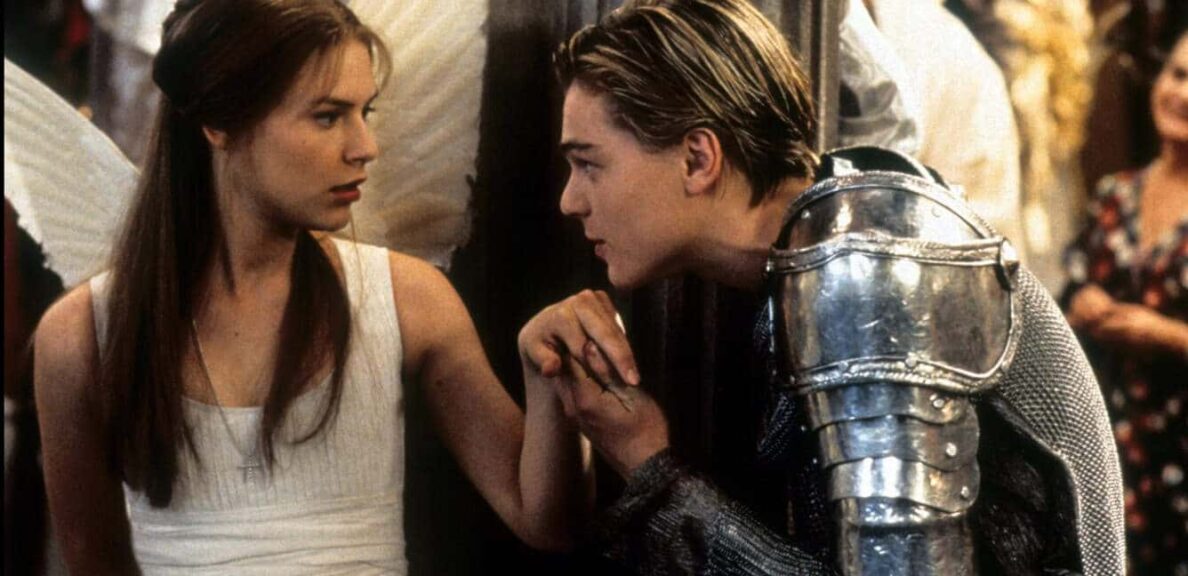
Some cinematic pairings feel like destiny. Think Bogart and Bergman in Casablanca or Hepburn and Tracy in, well, anything. In 1996, another iconic duo was forged when a young Leonardo DiCaprio was cast as Romeo Montague opposite of Claire Danes as Juliet in Baz Luhrmann’s vibrant, chaotic, and utterly brilliant adaptation of Romeo + Juliet. The story of how Luhrmann found his leading man is almost as fated as the tragic romance itself.
A Photograph and an Epiphany
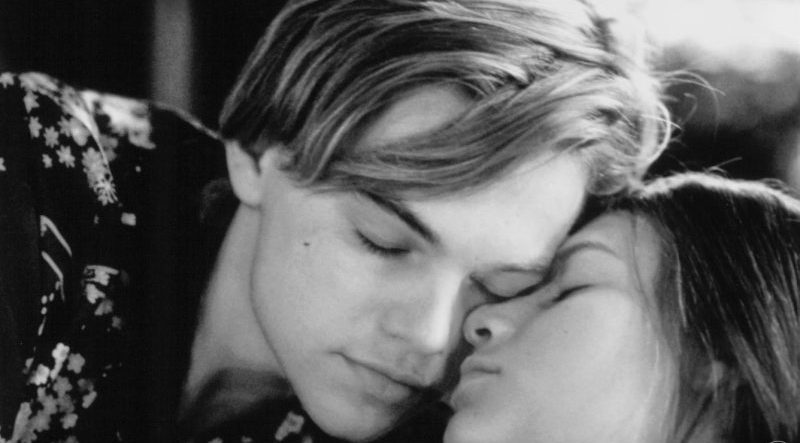
Casting Romeo was an immense pressure. Luhrmann was determined to find an actor who could deliver Shakespeare’s words with the passion of an impulsive and lovesick teenager. He needed someone who could bridge the gap between classic text and a modern, MTV-fueled aesthetic. The search was proving difficult.
Then, a chance encounter changed everything. Luhrmann was on a flight, flipping through a magazine, when he saw a paparazzi photograph of Leonardo DiCaprio. In a candid image, not a professional headshot, Luhrmann had an epiphany.
“I was in no way confident that he could do the verse,” the director later recalled, “but I was absolutely confident that he was Romeo.”
What he saw was a rare combination of qualities. DiCaprio possessed the classic good looks of a movie star, yet there was a depth and an edge to him—an almost unsettling intensity—that suggested a serious character actor lived within. This duality was exactly what Luhrmann needed. He saw in DiCaprio the potential to be both a heartthrob for the ages and a performer capable of conveying profound tragedy.
From Workshop to Stardom
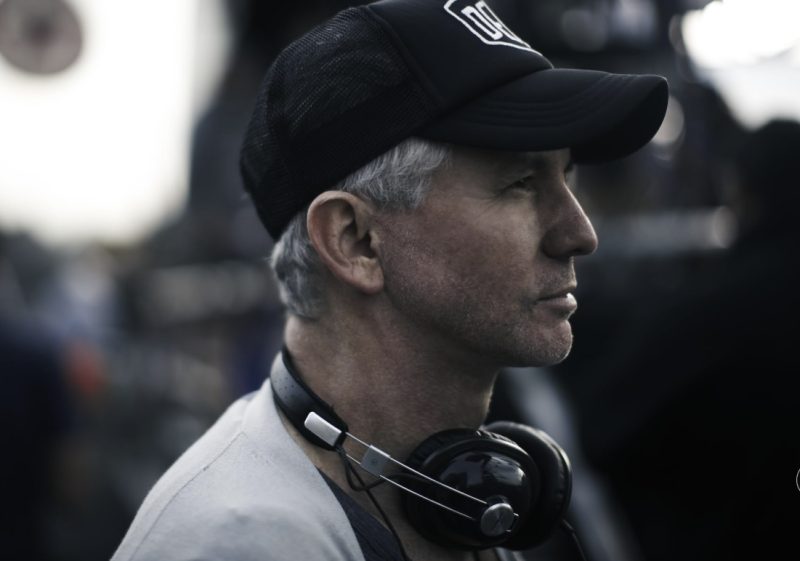
Seeing a photo is one thing; securing the actor is another. Luhrmann knew he had to get DiCaprio on board. He flew to Australia and set up a workshop, inviting DiCaprio to read with him and a group of other young actors. Luhrmann funded the initial workshop himself, filming the sessions to show the studio executives what he saw.
The results were immediate and electric. As soon as DiCaprio began speaking the verse, all doubts vanished. Luhrmann described him as a “natural,” someone who could make the 400-year-old language feel immediate and authentic.
“He is the best lyric-speaking actor of our generation.”
Studio executives agreed. DiCaprio was set to play one of the most iconic roles of literary and cinematic history.
The 1996 film was an unexpected cultural phenomenon, proving casting DiCaprio as the lead simply from a paparazzi photo Luhrmann came across was the right choice. ‘Romeo + Juliet’ grossed over $147 million worldwide and turned Leonardo DiCaprio from a respected young actor into a global superstar.
Luhrmann’s unique cinematic style was electric and provocative, solidifying his reputation as a visionary and a powerhouse director. DiCaprio was equally as beneficial – ‘Titanic’ premiered the following year, one of the highest grossing films of all time, as Luhrmann went on to direct the award winning ‘Moulin Rouge’. The team reunited to produce ‘The Great Gatsby’, released in 2013.
The Legacy of Verona
More than two decades later, ‘Romeo + Juliet’ remains a cinematic classic. The kinetic energy, unforgettable soundtrack, and Luhrmann’s unique bold visual style is always recognizable and influential to countless filmmakers. The film proved that classic literature could be radically reinterpreted for a new generation without losing its power or classic Shakespearean authenticity.
 Don't stop here
Every Score. Every Story. One Home.
Breaking sports, entertainment and news from across the Total Apex network, updated all day.
Get the Full Story →