
Palmistry: The Good Stuff You Should Know About the Lines That Reveal More

Palmistry is one of those old practices that just refuses to disappear. It has survived empires, dusty libraries, skeptics, and every new era that promised to explain the world better than the last. And yet here it is. Still showing up at fairs. Still tucked into bookstores. Still talked about at kitchen tables. Still practiced by people who want to understand the stories their hands are already telling.
If you’ve ever looked down at your palms and wondered why the lines fall the way they do, or why some folks swear they can read your personality from the shape of your fingers, you’re not alone. Humans have been doing exactly that for thousands of years. Palmistry is old. Older than most written languages. Older than a lot of belief systems. Older than the idea of science as we know it. It grew up right alongside us, shifting as cultures shifted, carrying a mix of observation, symbolism, and plain old human curiosity.
So let’s walk through it. The history. The meaning. And the very human reason palmistry still matters.
Where Palmistry Comes From
Palmistry’s roots stretch so far back that historians can’t point to one single birthplace. Instead it pops up across ancient cultures like scattered sparks that eventually connect into something bigger.
India
The earliest written references to palmistry come from ancient India. The Vedic tradition included a whole system devoted to studying the hand as a map of the body and mind. This wasn’t fringe. It was part of philosophy, medicine, and daily life. The hands were seen as a reflection of the whole person.
From India, palmistry traveled with Romani groups across the Middle East and Europe, picking up new interpretations along the way.
China
Around the same time, Chinese scholars developed their own hand reading systems. In traditional Chinese medicine, the hands reflect qi flow, organ health, and emotional balance. Color, temperature, and subtle physical qualities mattered just as much as the lines.
Greece
Greek thinkers studied palmistry too. Aristotle wrote about it. Hippocrates used hand features to diagnose illness. Alexander the Great reportedly used palm readings to size up his generals. Imagine being handed an army after someone studied your palm.
The Middle Ages
In medieval Europe, palmistry was often pushed underground. But like most old practices, it survived through midwives, healers, and everyday people who passed it down quietly.
By the Renaissance, palmistry resurfaced in scholarly circles. Books were printed. Diagrams circulated. It became part of the era’s fascination with symbolism and the human body.
Modern Times
By the 19th and early 20th centuries, palmistry became a staple of spiritualist parlors and traveling fairs. But it also caught the attention of early psychologists who noticed correlations between hand features and personality traits. Modern science doesn’t treat palmistry as predictive, but the psychological angle is still interesting. Hands do reflect habits, stress, and temperament in ways we don’t always think about.
Today palmistry sits somewhere between folklore, intuition, and observational art. It’s less about fortune telling and more about understanding the person behind the palm.
Why Palmistry Still Hits Home
Palmistry isn’t just about lines. It’s about connection.
When someone offers their hand, they’re offering trust. They’re offering a piece of themselves. The palm is warm and familiar and honest. It carries the marks of work and stress and joy and the unconscious habits we don’t even notice.
Palmistry sticks around because people are people. We’re curious. We want to understand ourselves or at least make sense of the mess we carry around. And honestly, there’s something grounding about looking at your own hands. The same hands you use to cook and work and hold onto people you care about. They’ve been through everything with you.
So when someone takes your hand to read it, it isn’t a performance. It’s a pause. A breath. A moment where someone is actually paying attention to you. Not the version you curate. Not the version you’re trying to grow into. The version that exists in the tiny details you don’t think about. The warmth of your skin. The way you hold tension. The lines that formed without you ever noticing.
That’s why palmistry feels different. It isn’t about predicting anything. It’s about being seen in a way that’s strangely simple and strangely rare.
The Basics of What Palm Readers Look At
Let’s break it down in a way that feels human.
The Shape of the Hand
Before the lines, you look at the hand itself.
Earth hands have square palms and thick skin and strong lines. They belong to steady, practical people.
Air hands have square or rectangular palms and long fingers. They show up in thinkers and communicators.
Water hands have long palms and long fingers and soft skin. Emotional, intuitive types.
Fire hands have long palms and short fingers. Energetic, bold personalities.
These categories echo ancient philosophies and help set the tone for the reading.
The Mounts
The mounts are the fleshy pads beneath each finger. They’re named after planets. Jupiter, Saturn, Apollo, Mercury, Venus, Mars, and the Moon. Each mount reflects a different personality trait or energy.
A full mount suggests strong expression. A flat one suggests subtlety.
The Lines
The lines are the part everyone knows about. And they’re not fixed. Your hands change as you change.
The Heart Line shows emotional patterns. The Head Line shows how you think. The Life Line shows vitality and grounding. Not lifespan. The Fate Line shows direction and career and life path. The Sun Line shows creativity and recognition. The Mercury Line shows communication and intuition.
Each line has branches and breaks and textures that add nuance. A palm reader isn’t memorizing meanings. They’re interpreting a living map.
Palmistry Isn’t About Prediction
Palmistry isn’t about telling someone what will happen. It’s about understanding what’s already happening. The patterns and habits and strengths and challenges a person carries.
It’s like reading tree rings. You’re not predicting the next storm. You’re understanding how the tree has grown so far.
Palmistry becomes a moment of reflection. Awareness. Storytelling. Connection. A way to look at yourself without judgment.
Why People Still Love Getting Their Palms Read
Because we crave meaning. Because we want to understand ourselves. Because we want to feel connected to something older than our daily routines. Because the hands are honest. They show stress and joy and work and creativity without saying a word.
Palmistry gives people a way to explore themselves without feeling exposed. It’s a mirror made of symbols instead of harsh truths.
The Power of Touch and Presence
Part of palmistry’s impact comes from the simple act of touch. In many cultures, touch is grounding. It’s a way of saying I’m here with you.
When someone reads your palm, they’re not just analyzing lines. They’re holding your story. They’re listening with their hands as much as their eyes.
That’s why palmistry feels intimate even when done casually. It’s a quiet moment of connection.
Palmistry Today
Modern palm readers often blend traditional interpretations with psychological insights and intuition and body language and symbolic storytelling. It’s less about predicting destiny and more about helping someone understand their inner landscape.
Palmistry today is a form of personal reflection. A way to map the self.
Uniquely Yours, Always
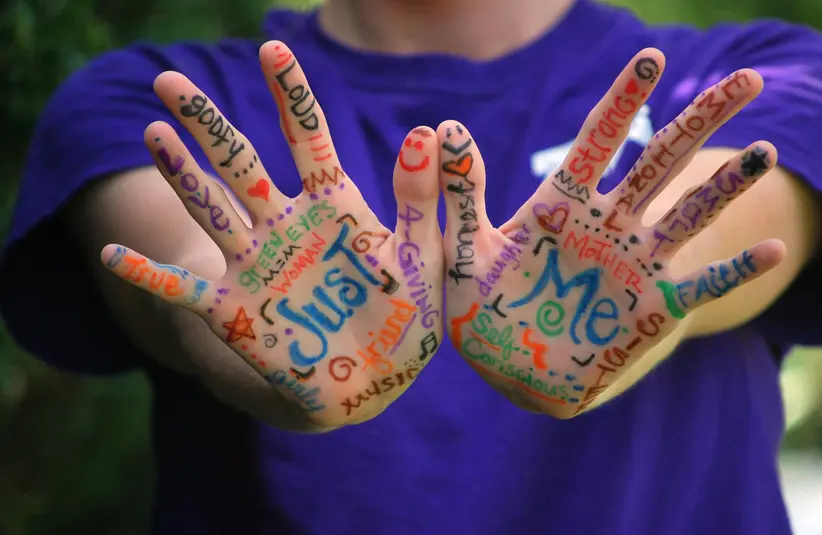
Your hands are storytellers. They remember the things you’ve held and the work you’ve done and the emotions you’ve carried and the dreams you’ve reached for. They change as you change. They soften and strengthen and wrinkle and reshape themselves around your life.
Palmistry is simply the art of listening to those stories.
If you ever feel lost, look at your palms. They’ve been with you through everything. They know your patterns. They know your resilience. They know your work. And they’re always ready to tell you something new.