The scale of the response extended beyond U.S. borders. According to the CDC’s Morbidity and Mortality Weekly Report, or MMWR, published Nov. 5, health officials identified and monitored 88 U.S. residents with potential exposure to Andes virus — 28 who sailed on the cruise and 60 more who shared flights with a symptomatic passenger. Those contacts were spread across 27 jurisdictions, and four of them were monitored abroad. Worldwide, health authorities tracked roughly 653 potentially exposed people from 33 countries.
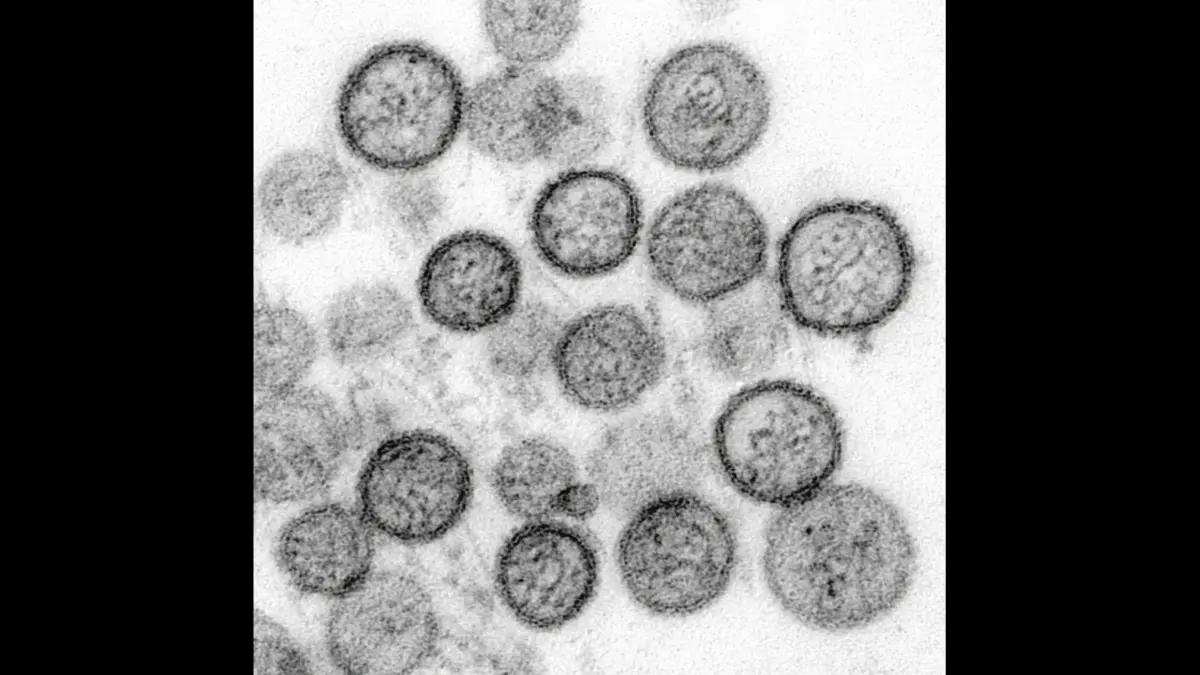
Andes virus is endemic to parts of South America, and it stands apart from every other hantavirus for one reason: It is the only one known to spread from person to person. According to the CDC, that happens through close, prolonged contact or exposure to a symptomatic person’s body fluids. Symptoms can appear anywhere from four to 42 days after exposure, which is why every monitored contact stayed on watch for the full six weeks before being cleared.
For travelers, the cruise ship incident shows how a virus typically confined to specific regions of South America can surface far from its usual range once it moves through international travel networks, whether aboard a ship or on connecting flights.
Background and Context
Andes virus infection can progress to hantavirus pulmonary syndrome, or HPS, which the CDC warns can quickly lead to respiratory failure and shock. The new MMWR puts the HPS case-fatality rate at about 40%, while the CDC’s public hantavirus page says 38% of people who develop respiratory symptoms may die. Either way, the disease kills close to 4 in 10 people who reach that stage. There is no specific treatment or vaccine. The sickest patients may need extracorporeal membrane oxygenation, or ECMO, a machine that pumps and oxygenates blood outside the body, according to the agency.
Before this outbreak, the United States had recorded only one documented Andes virus case: an imported infection in 2018 in a Delaware woman who had traveled through the Andes region of Argentina and Chile. Health officials traced 53 contacts across six states in that investigation, and none became infected. The 2026 response was far larger, with 88 contacts across 27 jurisdictions, though no U.S. resident contracted the virus this time either.
What’s Next
The CDC‘s report serves as the official U.S. record of how exposed travelers were found, tracked and monitored. All 88 contacts completed the 42-day watch period with no secondary infections. Even so, the agency cautions that the clean result should not be read as proof there was no transmission risk, noting that close quarters and shared spaces aboard the ship created plenty of opportunities for exposure. The full findings are detailed in the MMWR, which remains the primary source for health officials and travelers seeking information on the outbreak.
 Don't stop here
Every Score. Every Story. One Home.
Breaking sports, entertainment and news from across the Total Apex network, updated all day.
Get the Full Story →