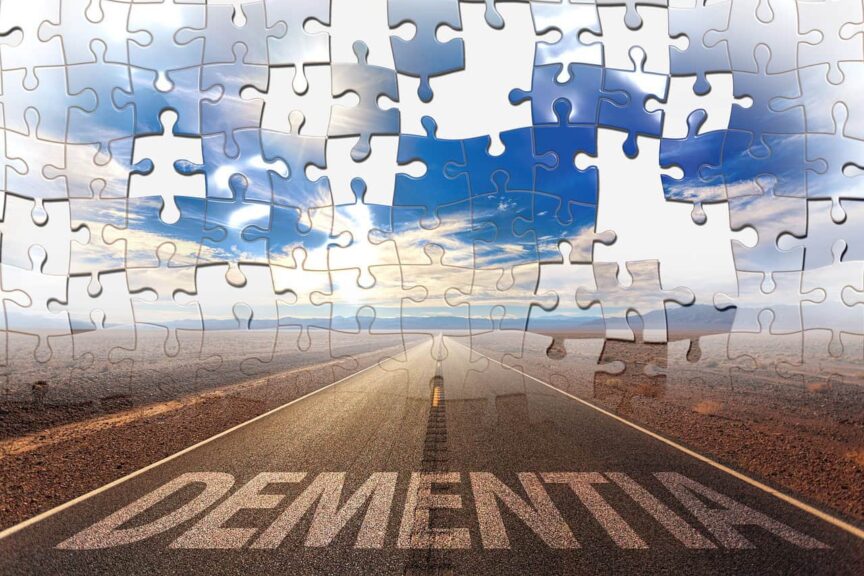
A new long-term study has revealed a sobering connection between alcohol consumption and the risk of developing dementia. Contrary to popular belief, even small amounts of alcohol—levels often considered “moderate” or “social”—may significantly increase the likelihood of cognitive decline. The findings challenge long-held assumptions about safe drinking thresholds and offer critical insight into how lifestyle choices can influence brain health over time.
The Study: Scope, Scale, and Findings
Conducted by researchers at the University of Oxford in collaboration with the University of Montpellier, the study followed over 15,000 participants across a 24-year period. Participants were aged 35 to 70 at the start, and none had dementia at baseline. The goal was to examine how varying levels of alcohol intake affected long-term cognitive outcomes.
The results were striking. Individuals who consumed more than 7 units of alcohol per week—roughly equivalent to 3.5 glasses of wine or 2.5 pints of beer—showed a significantly higher risk of developing dementia compared to those who abstained. Even those drinking below this threshold were not in the clear. The data revealed that any regular alcohol intake, regardless of quantity, was associated with increased brain atrophy and reduced white matter integrity—both early indicators of dementia.
How Little Is Too Much?

One of the most alarming takeaways from the study is how little alcohol it takes to elevate dementia risk. A single daily drink, often considered harmless or even beneficial in some wellness circles, was linked to measurable changes in brain structure. The researchers used MRI scans and cognitive testing to track these changes over time, finding that even low-level drinkers experienced declines in memory, executive function, and processing speed.
The study also controlled for other variables such as smoking, physical activity, and socioeconomic status, strengthening the conclusion that alcohol itself—not just associated lifestyle factors—plays a direct role in increasing dementia risk.
Dementia: A Growing Concern
Dementia currently affects over 55 million people worldwide, with numbers expected to rise sharply in the coming decades. While age remains the strongest risk factor, lifestyle choices like alcohol consumption are increasingly recognized as modifiable contributors. This study adds to a growing body of evidence suggesting that prevention efforts must begin earlier and include more nuanced public health messaging around alcohol.
Final Thoughts
While the findings may feel discouraging, they also offer hope. Understanding the link between alcohol and dementia empowers individuals to make informed choices that protect long-term brain health. As research continues to evolve, there’s optimism that dementia will become less of a misunderstood diagnosis and more of a manageable condition—especially with early intervention and lifestyle awareness.
This article is for informational purposes only and does not constitute medical advice. If you or someone you know is experiencing symptoms of dementia—such as memory loss, confusion, or changes in behavior—consult a healthcare professional. Responsible drinking is essential, and reducing alcohol intake may be one of the most impactful steps toward preserving cognitive health.
 Don't stop here
Every Score. Every Story. One Home.
Breaking sports, entertainment and news from across the Total Apex network, updated all day.
Get the Full Story →