

Valentine’s Day Pet Safety: Dangerous Foods, Gifts, and Decorations to Watch Out For

Love might be in the air on Valentine’s Day, but so are a bunch of hazards that can send your furry sidekick straight to the emergency vet. Before you toss rose petals around like confetti or leave that heart‑shaped box of chocolates on the coffee table, it’s worth taking a beat to think about what could go wrong.
This holiday is supposed to be sweet, not stressful, yet between the candy, flowers, and shiny decorations, it can turn into a minefield for curious pets. A little awareness goes a long way, so here’s your no‑nonsense guide to keeping your four‑legged troublemaker safe this Valentine’s Day.
Chocolate: The Classic Valentine’s Day Villain

Chocolate is the poster child for pet‑dangerous foods, and for good reason. Dogs and cats can’t metabolize theobromine and caffeine the way humans can, which means even a small amount can cause vomiting, tremors, or worse.
According to the ASPCA, “Methylxanthines are caffeine-like stimulants that can be found in chocolate and can cause vomiting, diarrhea, hyperactivity, seizures and an abnormally elevated heart rate.” If you get gifted a fancy box of truffles, great—just don’t leave it anywhere your pet can sniff out and destroy in 0.2 seconds.
Sugar-Free Sweets: Xylitol Is No Joke
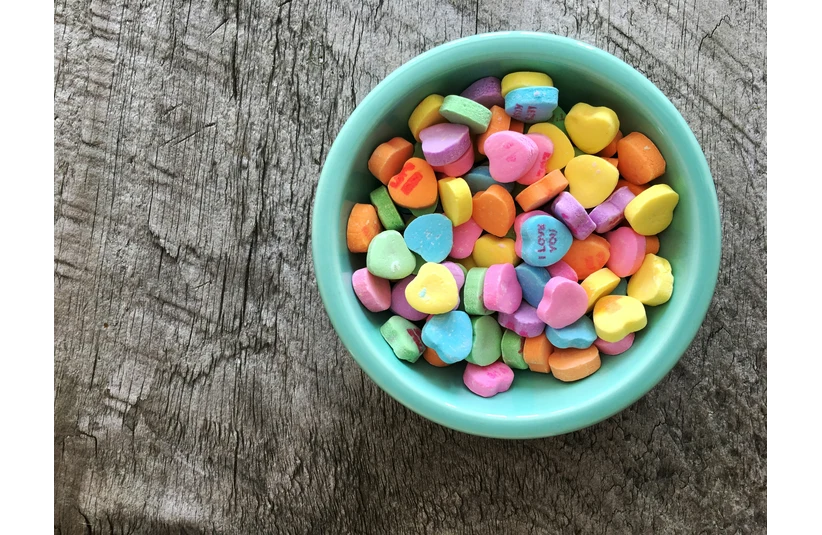
A lot of Valentine’s Day candies and baked goods use xylitol, a sugar substitute that’s extremely toxic to dogs. It can cause a dangerous drop in blood sugar and even liver failure.
The FDA warns: “Xylitol is a sweetener used in many foods and products for people…Though safe for humans, xylitol can be deadly to dogs and other pets.” Bottom line: if it says “sugar-free,” keep it far, far away from your pet.
Flowers: Not All Bouquets Are Pet-Friendly
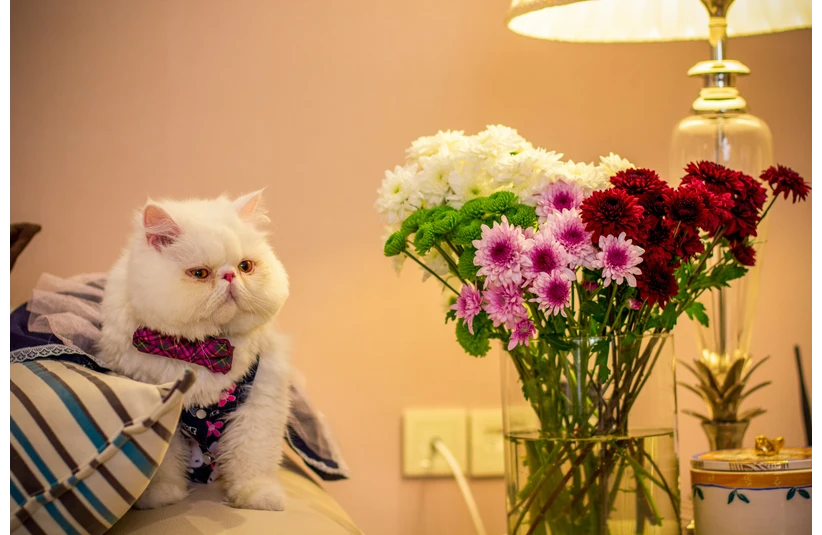
Sure, flowers are romantic—but some of them are basically botanical landmines for pets.
- Lilies are extremely toxic to cats. Even a nibble or a lick of pollen can cause kidney failure.
- Baby’s breath, while not as deadly, can still cause stomach upset.
- Roses are generally safe, but the thorns can cause injuries if chewed or swallowed.
The Pet Poison Control website has a full list of toxic and non-toxic plants for pets, many of which are common in typical Valentine’s Day bouquets. If someone sends you a bouquet this Valentine’s Day, check the flower list before setting it down where whiskers can reach.
Alcohol: No Sharing, No Exceptions
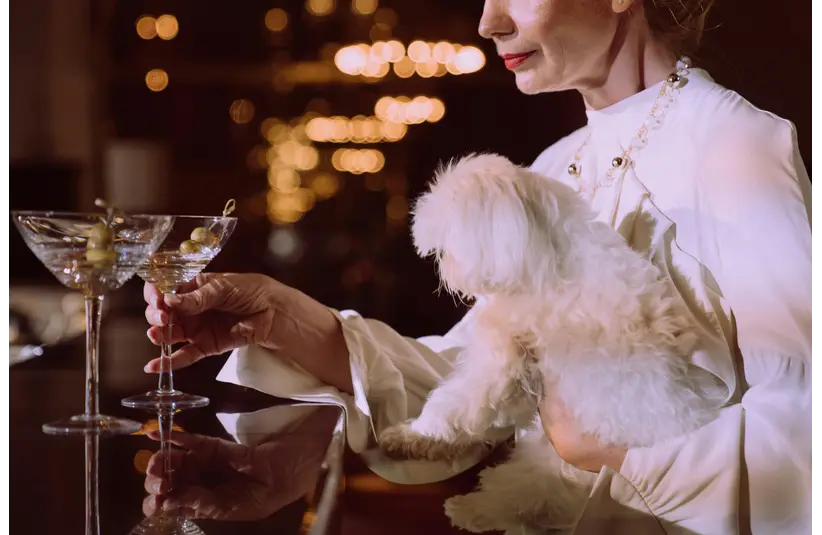
A little champagne toast is cute—until your dog knocks over a glass and laps it up. Alcohol hits pets much harder than humans, and even small amounts can cause vomiting, disorientation, or respiratory issues.
The Pet Poison Helpline states: “Alcohol poisoning in pets can occur from ingestion of alcoholic beverages, unbaked dough, or even certain syrups.” So keep the bubbly in your hand this Valentine’s Day, not on the floor.
Gift Wrap, Ribbons, and Balloons: The Silent Trouble-Makers
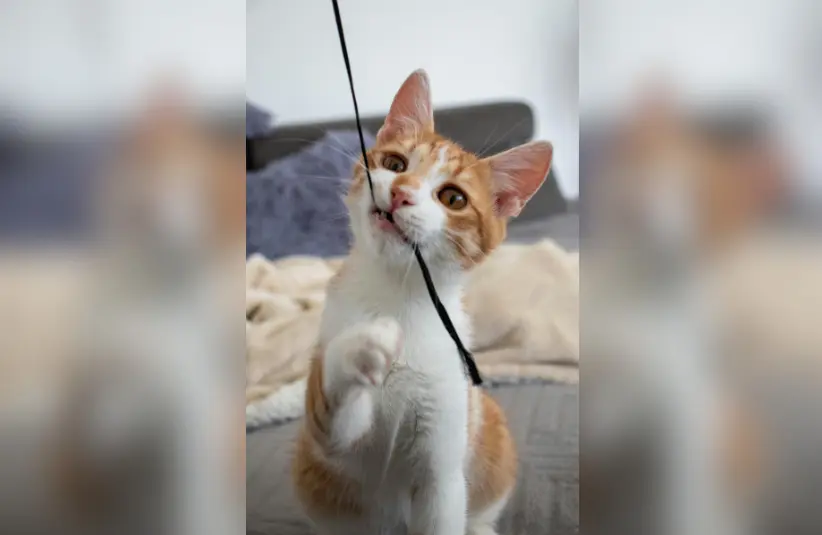
Pets don’t care that you spent 20 minutes making that gift look Instagram-worthy. They just see shiny, crinkly toys begging to be shredded and swallowed.
- Ribbons can cause intestinal blockages.
- Cellophane can lead to choking.
- Balloons are a disaster waiting to happen if popped and eaten.
Veterinarians from VCA consistently warn that “An especially dangerous type of foreign body, most common in cats, is referred to as a linear foreign body. This term describes long, thin objects such as string, yarn, and tinsel.” If it dangles, sparkles, or crinkles, assume your pet wants to eat it.
Candles and Essential Oils: Romantic but Risky
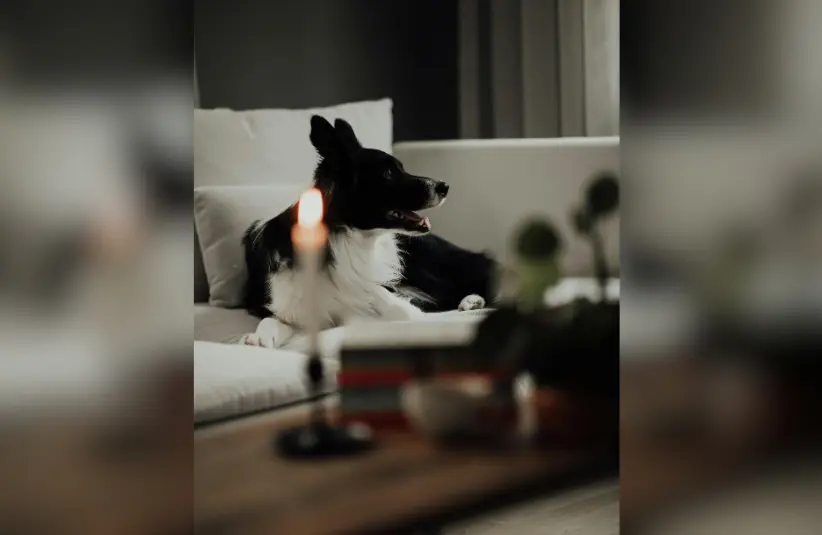
A candlelit evening sounds dreamy—unless your cat’s tail catches fire or your dog knocks over a wax warmer. And essential oils? Many are toxic to pets when inhaled or absorbed through the skin.
The ASPCA warns that “essential oils can cause serious health issues in pets, including respiratory problems and liver damage.” Stick to flameless candles and skip the diffusers if your pet is nearby.
Valentine’s Day should be about love—not emergency vet bills. With a little awareness and a lot of common sense, you can keep the romance alive without putting your pet at risk. Protect your furry sidekick, enjoy your chocolate by yourself, and keep the holiday sweet in all the right ways.
