
Top 5 Winter Pet Care Mistakes Most Owners Don’t Realize They’re Making

Winter hits hard — the kind of cold that sneaks under your clothes and settles in your bones. And while most pet owners think they’ve got the basics handled, the truth is a lot of animals end up uncomfortable, stressed, or downright unsafe because of small oversights that don’t look like mistakes at first glance. Winter demands more from us, and our pets can’t exactly file complaints when we get it wrong.
Below are the top five winter pet care mistakes people make without even realizing it — and how to fix them before the season does real damage.
Top 5 Winter Pet Care Mistakes
1.) Underestimating How Dangerous the Cold Really Is
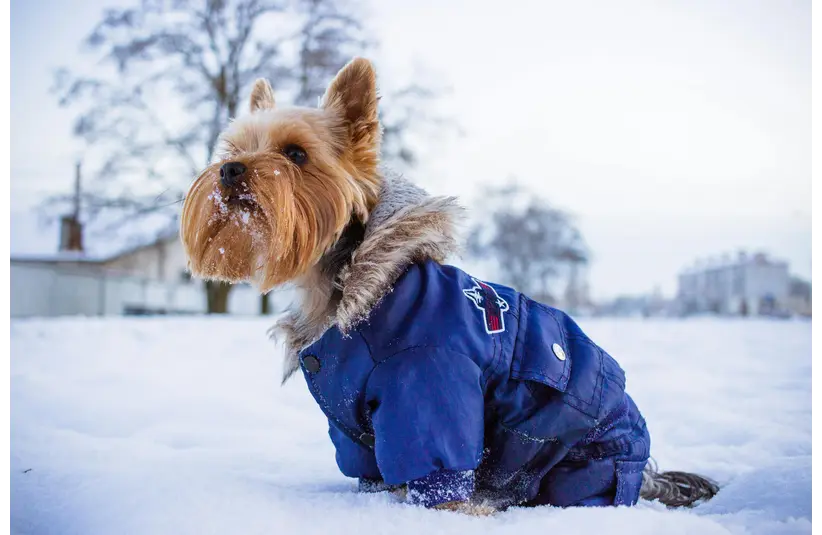
A lot of owners assume their pets are naturally built for winter. “They’ve got fur, they’ll be fine.” That’s the line people repeat right before their dog ends up shivering, limping, or refusing to walk. Fur isn’t armor — it’s insulation, and insulation fails fast when it’s wet, matted, or hit with wind. Even breeds known for cold tolerance can struggle if they’re older, underweight, or dealing with health issues.
Cold weather doesn’t just make pets uncomfortable — it can mess with their joints, slow their circulation, and weaken their immune system. Hypothermia doesn’t always look dramatic either; sometimes it’s just a pet moving more slowly, acting confused, or refusing food. By the time the signs are obvious, the damage is already happening.
Why it’s a problem:
- Pets can develop frostbite on their ears, paws, and tails faster than you think.
- Hypothermia doesn’t always look dramatic — early signs are subtle: stiffness, whining, or slowing down.
- Older pets and short-haired breeds are especially vulnerable.
What to do instead:
According to the AVMA website, limit outdoor time, dry your pet thoroughly after snow exposure, and use coats or sweaters for dogs that aren’t naturally cold-resistant.
2.) Ignoring Paw Damage From Ice, Salt, and Chemicals
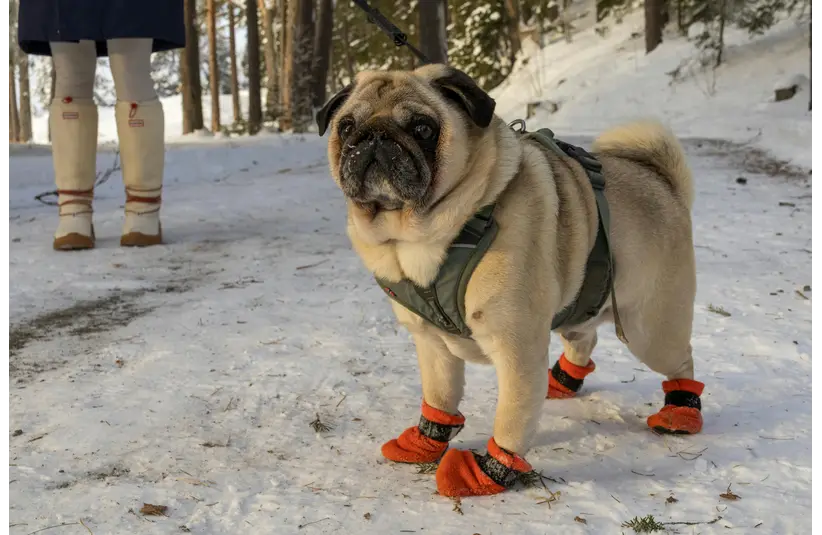
Winter sidewalks are basically a chemical cocktail. Ice melt, road salt, antifreeze residue — it all ends up stuck to your pet’s paws. Most owners don’t notice the damage until their pet starts limping, licking nonstop, or avoiding walks altogether. And honestly, who can blame them? Imagine walking barefoot on frozen gravel soaked in chemicals.
Salt burns, ice cuts, and antifreeze are straight-up deadly. Even a tiny amount can cause kidney failure, and pets don’t need to drink it from a puddle — licking their paws is enough. Cracked pads also make pets more likely to slip, which can lead to sprains or muscle injuries that take weeks to heal.
Why it’s a problem:
- Salt burns paw pads and causes cracking.
- Ice can slice the skin between toes.
- Antifreeze is deadly, and pets can ingest it just by licking their paws.
What to do instead:
According to Humane World for Animals, wipe paws after every walk. Use paw balm or booties if your pet tolerates them. And avoid walking through driveways or garages where antifreeze leaks are common.
3.) Overfeeding Because “They Need Extra Winter Weight”
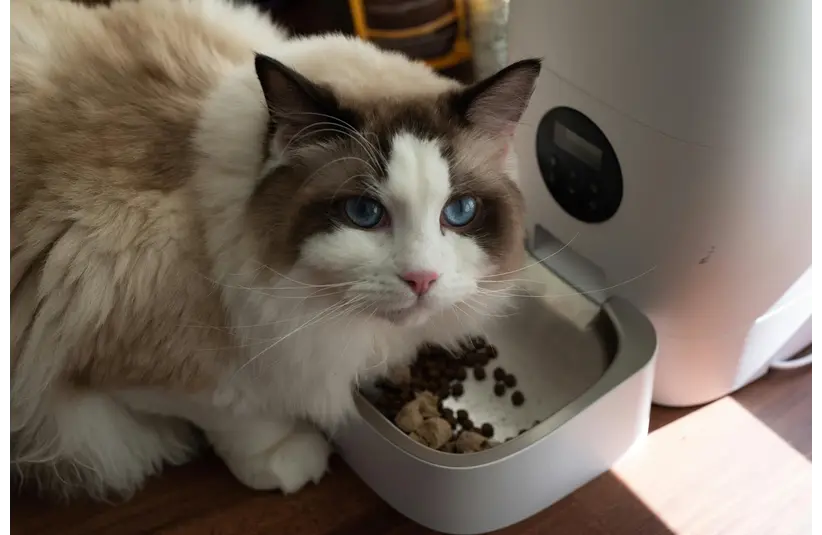
This old myth refuses to die. People still think pets need more food in winter because they “burn more calories.” Sure — if they were living outside, pulling sleds, or running miles a day. But most pets are inside, warm, and moving less than usual. Winter is the season of naps, not marathons.
According to VCA, overfeeding leads to weight gain fast, and winter weight is the hardest to shed because pets are naturally less active. Extra pounds put pressure on joints already stiff from the cold, and overweight pets are more prone to injuries on icy surfaces. A lot of owners don’t realize they’re slowly overfeeding until their vet points out the number on the scale.
Why it’s a problem:
- Winter weight gain is extremely common and hard to reverse.
- Extra pounds strain joints already stiff from cold weather.
- Indoor pets don’t need the same calorie boost as outdoor animals.
What to do instead:
Stick to your pet’s normal feeding routine unless your vet says otherwise. If anything, winter is the time to watch calories more closely because activity levels usually drop.
4.) Skipping Regular Grooming Because “It’s Too Cold for Baths”
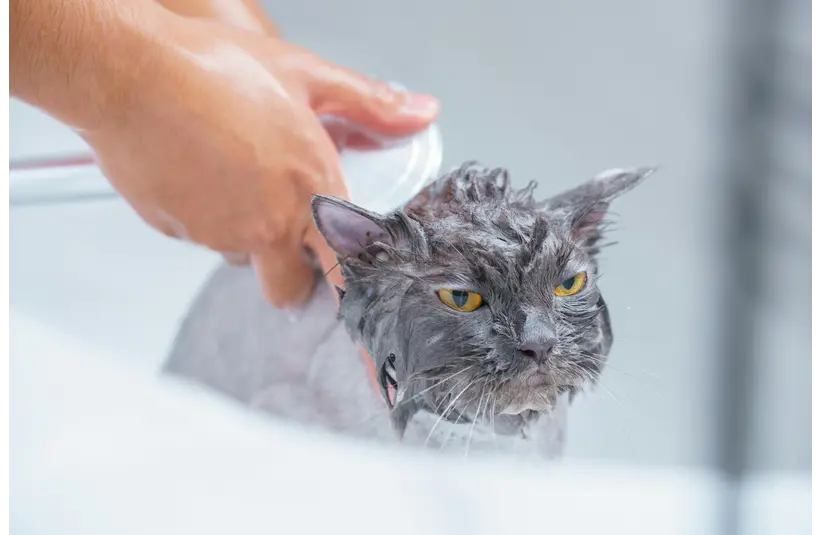
Winter hits, and suddenly grooming routines go out the window. Owners think they’re doing their pets a favor by avoiding baths or brushing less often. But winter grooming is actually more important. A clean, brushed coat traps heat better than a dirty, tangled one — and mats can hold moisture against the skin, making pets colder, not warmer.
Long nails also become a real problem in winter. They reduce traction on icy sidewalks, making slips more likely. And when pets slip, they don’t just “shake it off” — they strain muscles, twist joints, and sometimes tear ligaments. Grooming isn’t vanity; it’s basic winter safety.
Why it’s a problem:
- Matted fur traps moisture, which chills pets faster.
- Dirty coats lose insulation.
- Long nails reduce traction on icy surfaces, increasing injury risk.
What to do instead:
According to PetMD, keep brushing regularly, trim nails, and bathe as needed — just make sure your pet is fully dry before going outside. A clean, brushed coat insulates better than a dirty, tangled one.
5.) Leaving Pets in Cars — Thinking It’s Only a Summer Problem
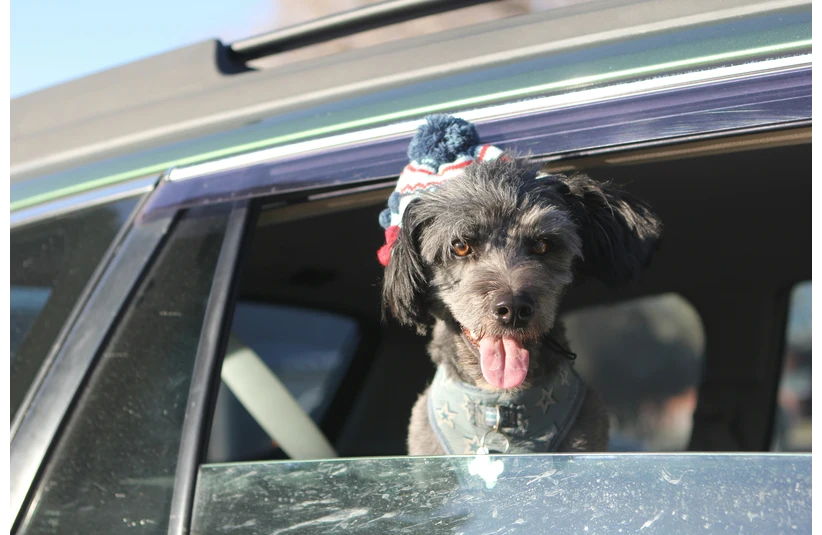
Everyone knows hot cars are deadly, but winter cars can be just as dangerous. A parked car in winter acts like a refrigerator — temperatures drop fast, and pets can freeze in minutes. People assume the car will “hold the heat,” but it doesn’t. The warmth disappears almost immediately once the engine shuts off.
Even remote starters and heaters aren’t reliable. Engines stall, timers shut off, and vents blow cold air without warning. Pets can’t tell you when they’re getting too cold; they just curl up and try to conserve heat until it’s too late. If you wouldn’t sit in your car without heat for 20 minutes, your pet shouldn’t either.
Why it’s a problem:
- Cars trap cold air, not warmth.
- Hypothermia can set in even if the outside temperature doesn’t seem extreme.
- Remote starters and heaters fail more often than people think.
What to do instead:
If you wouldn’t sit in your car without heat for 20 minutes, your pet shouldn’t either. Bring them inside — always.
Winter doesn’t have to be brutal for your pets, but it does require paying attention to the little things — the stuff most owners overlook. With a few smart adjustments, you can keep your animals safe, warm, and comfortable until the thaw finally shows up.
