

Ford Tough Since February 1948: The F‑Series Legacy That Still Leads America

Every machine has a birthday, even if most people don’t think about it. And for the American truck — the real, working‑class, farm‑to‑factory, haul‑anything kind of truck — February is a month that carries a quiet kind of significance. It was February 1948 when Ford officially began rolling out the first generation of what would become the most influential truck line in the country: the F‑Series.
Seventy‑plus years later, the F‑Series isn’t just a truck. It’s a cultural artifact. A workhorse. A family heirloom. A symbol of American grit that somehow survived every economic downturn, every gas crisis, every design trend, and every attempt to replace it with something sleeker or smarter.
February is a good month to look back — partly because it’s the anniversary, and partly because February is when trucks show their true colors. Cold mornings, frozen roads, heavy loads, and long days make it clear which machines were built for marketing and which were built for life.
The F‑Series? Built for life.
The First Generation: Born in a Post‑War February
The original F‑Series — the “Bonus Built” trucks — hit the market in February 1948. America was shifting from wartime production to domestic life again. Farms needed equipment. Small businesses needed haulers. Families needed something that could work all week and still take everyone to church on Sunday.
The first F‑Series wasn’t fancy. It wasn’t trying to be. It was built with the same mindset as the tractors and military vehicles Ford had been producing during the war: simple, strong, and easy to repair.
That DNA never left.
Why the F‑Series Stuck While Others Faded
Plenty of trucks have come and gone since the 1940s. Some were good. Some were forgettable. Some were disasters. But the F‑Series kept evolving without losing the core idea: a truck should be a tool first, a comfort second, and a status symbol never.
That’s why farmers trusted it.
That’s why contractors trusted it.
That’s why families passed them down like heirlooms.
The F‑Series didn’t chase trends — it outlived them.
February Is the Month That Tests a Truck’s Soul
Ask anyone who works outside: February is the month that separates the real trucks from the pretenders.
Cold starts.
Frozen diesel.
Icy roads.
Heavy loads.
Mud that feels like quicksand.
A truck that can handle February can handle anything.
And that’s part of why the F‑Series legacy matters. These trucks weren’t designed for showroom floors. They were designed for mornings when the thermometer reads 12 degrees and the job still has to get done.
February is the proving ground.
The F‑Series has been passing that test for nearly eight decades.
The Cultural Side: Trucks as Identity
By the 1970s and 80s, the F‑Series wasn’t just a tool — it was a symbol. Not of wealth or flash, but of reliability. Of showing up. Of doing the work.
People built lives around these trucks:
- Farmers hauling hay in the dead of winter
- Ranchers checking fence lines in February sleet
- Construction crews loading tools before sunrise
- Families towing campers, boats, and livestock trailers
The F‑Series became part of the American landscape — as common as barns, grain silos, and gas stations with hand‑painted signs.
The Legacy Continues
Today’s Ford F‑Series looks nothing like the 1948 original, but the spirit is the same. The modern models are packed with tech, comfort, and towing power that would’ve sounded like science fiction in the 40s. But the core idea — a truck that works — hasn’t changed.
And February is still the month that proves whether a truck deserves the badge on its grille.
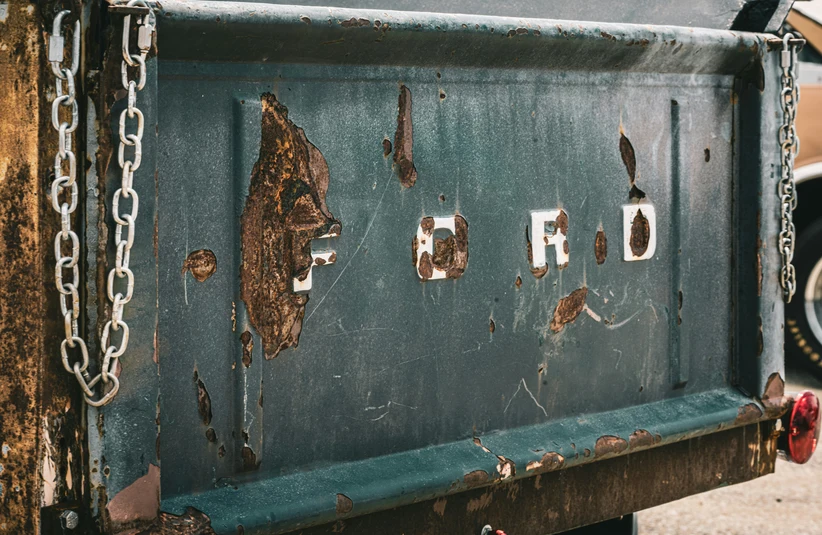
February Built. Ford Tough.
The F‑Series didn’t become America’s truck by accident. It earned that place — one February at a time. Through cold mornings, muddy fields, icy highways, and decades of hard work.
In a world full of machines that are designed to be replaced, the F‑Series stands out as something built to last. Something built for real life. Something built for February.
And that’s why its legacy still matters.
