
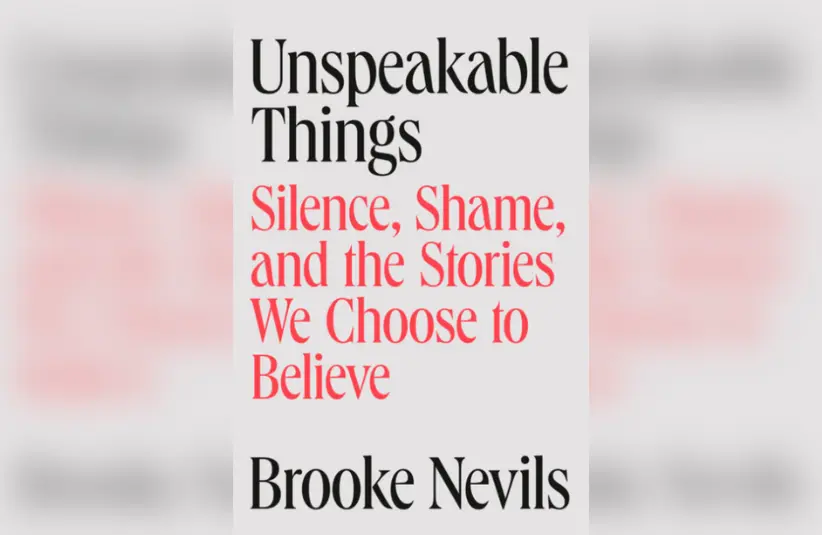
Brooke Nevils Confronts the Dark Reality of Her Alleged Assault by Matt Lauer in “Unspeakable Things”

Warning: The following article contains some graphic descriptions and material regarding sexual assault, which may be difficult for some readers. If you or someone you know is struggling, please reach out to the National Sexual Assault Hotline at 1-800-656-4673.
Brooke Nevils is once again pulling back the curtain on the alleged assault she says she endured at the hands of former “Today” show anchor Matt Lauer. In her new book, “Unspeakable Things: Silence, Shame, and the Stories We Choose to Believe,” which is set to be released on Feb. 3, she lays out the raw, painful details of what happened in 2014—details that NBC never expected to see the light of day. Her story isn’t polished or pretty; it’s jagged, human, and deeply unsettling, and it forces a long‑overdue reckoning with the power dynamics that shaped her world.
A Night in Sochi That Changed Everything
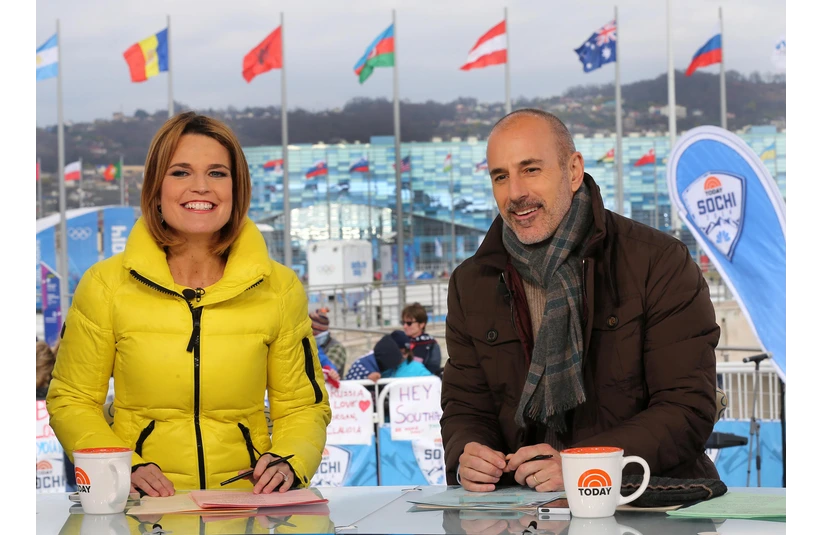
According to Nevils, the alleged assault took place during the 2014 Winter Olympics in Sochi, where she and Lauer were both working. She describes being drunk, vulnerable, and far from home when the situation spiraled into something she says she never consented to. In an excerpt published by The Cut, Nevils recounts waking up the next morning in physical pain and in a pool of blood—an image that has haunted her for years.
She writes that she didn’t have the language at the time to call what happened “rape,” even though the physical and emotional aftermath told a different story. In an article from Variety, Nevils writes, “’Even now, I hear ‘rape’ and think of masked strangers in dark alleys,’” she explains in the book. ‘Back then, I had no idea what to call what happened other than something I didn’t want.’”
The Power Imbalance Brooke Nevils Couldn’t Ignore
Nevils was a young talent assistant at NBC, and Lauer was one of the network’s most powerful stars. That power gap didn’t just hang in the background—it warped everything. It fed her hesitation to report what happened and twisted the strange, messy relationship that came afterward. She admits she kept trying to make sense of it, talking herself into the idea that she had some kind of say in what was happening, even when deep down she knew she didn’t.
The truth, she writes, hit much harder. She describes feeling boxed in, stuck in a situation where saying “no” didn’t feel like a real option, and where Lauer’s influence hovered over every move she made. Her account makes it painfully clear that coercion isn’t always loud or violent. Sometimes it shows up as fear, as silence, as the suffocating pressure of someone else’s power pressing down on you.
The Fallout at NBC and Beyond
When Nevils finally reported the alleged assault to NBC’s human resources department in 2017, the network moved quickly. Lauer was fired within 24 hours, and the media storm that followed was relentless. Nevils says she was overwhelmed by the scrutiny, the rumors, and the pressure of being thrust into the public eye.
She recalls landing “in a psych ward” after leaving NBC, a breaking point she attributes to the emotional toll of coming forward. “’Eventually a tabloid began calling my coworkers… asking whether they were aware that I was Matt’s ‘mistress who’d gotten him fired,’” she writes. The weight of that narrative—one she says was completely false—pushed her to the edge.
A Mother’s Reaction That Cut Deep
One of the most gut‑wrenching moments in “Unspeakable Things” comes when Nevils describes telling her mother about the alleged assault. She expected comfort, maybe even pride for how she handled the situation. Instead, she was met with a painful mix of shock and anger.
Her mother’s reaction—“Goddamn him”—wasn’t directed at her, but it still shook Nevils to her core. It was the first time she allowed herself to consider that what happened wasn’t a “bad decision” or a “mistake,” but something far more serious.
Why She’s Speaking Out Now
Nevils says she wrote “Unspeakable Things” to reclaim her story—not the sanitized version she once told, but the real one. She wants people to understand the messy truth of what assault can look like, especially when it involves someone as powerful as Lauer.
Her book isn’t just about the night in Sochi; it’s about the years of silence, shame, and confusion that followed. It’s about the emotional aftermath that doesn’t end when the headlines fade. And it’s about refusing to let anyone else define what happened to her.
The Larger Conversation
The allegations against Lauer were a turning point in the #MeToo movement, but Nevils’ memoir reminds us that behind every headline is a human being still trying to piece themselves back together. Her story forces us to confront uncomfortable truths about workplace power, consent, and the long shadow of trauma.
Nevils isn’t asking for sympathy—she’s demanding honesty. And in doing so, she’s permitting others to speak their own unspeakable things.