
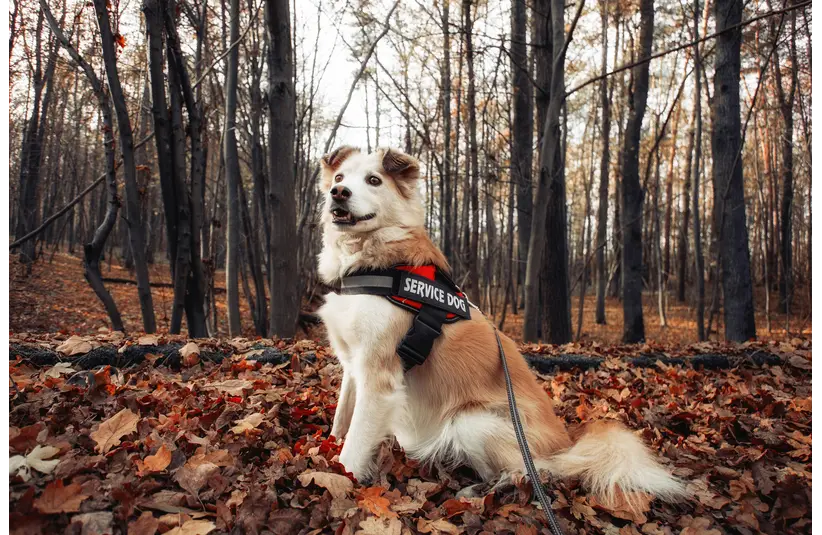
Life-Changing Ways Service Dogs Are Helping PTSD Survivors

If you’ve ever watched a service dog in action, you already know they’re basically the unsung heroes of the modern world. No capes, no dramatic theme music—just pure loyalty wrapped in fur. And when it comes to supporting people living with PTSD, these dogs do more than help—they truly make a difference. They’re life‑changing. The bond between one of these dogs and a PTSD survivor isn’t some feel‑good movie plot; it’s a real, measurable partnership that’s reshaping how people heal.
Why Service Dogs Are Becoming Essential for PTSD Support
Let’s be honest: PTSD is a beast. It doesn’t care if someone is a veteran, a trauma survivor, or just trying to get through the day without their nervous system going DEFCON 1. Traditional therapy helps, sure, but sometimes the human brain needs a different kind of backup—one with four legs and a tail.
A trained dog for PTSD isn’t just a pet with extra manners. These dogs are taught to interrupt panic attacks, ground their handler during flashbacks, and even create physical space in crowded environments. Imagine walking into a grocery store and having your anxiety spike because the world suddenly feels too loud, too close, too everything. A dog steps forward, nudges your hand, and reminds your brain that you’re safe. That’s not just support—that’s survival.
The Science Behind the Calm
Here’s the part where science quietly enters the chat. Studies show that interacting with these dogs can lower cortisol levels, slow heart rate, and reduce hypervigilance. Basically, the body stops acting like it’s being chased by invisible danger. And unlike humans, dogs don’t judge, don’t ask awkward questions, and don’t say things like “Have you tried relaxing?” They simply show up—steadfast, reliable, and always there.
For many PTSD survivors, that reliability is everything. Trauma rewires the brain to expect the worst. A helpful dog helps rewrite that script, one steady breath at a time.
Daily Tasks That Make a Massive Difference
A service dog for PTSD isn’t just emotional support—they’re trained for specific tasks that make daily life less of a battlefield. Some of the most common include:
- Waking their handler from nightmares
- Interrupting dissociation
- Alerting to rising anxiety
- Guiding their handler out of overwhelming environments
- Providing deep pressure therapy (basically a weighted blanket with a heartbeat)
These tasks might sound simple, but when someone’s nervous system is constantly on edge, they’re game‑changers. It’s like having a personal assistant whose entire job is to keep you alive and grounded.
The Emotional Impact No One Talks About Enough
Here’s the part that hits harder than expected: these dogs give PTSD survivors something trauma often steals—connection. When the world feels unsafe, unpredictable, or downright hostile, forming bonds with people can feel impossible. But a dog? A dog is safe. A dog is steady. A dog doesn’t disappear when things get messy.
That emotional bridge often becomes the first step toward rebuilding trust in the world. And yes, sometimes that trust starts with a wet nose and a wagging tail.
Why More People Are Turning to These Dogs for PTSD
As awareness grows, more survivors are realizing that these dogs aren’t a luxury—it’s a legitimate tool for healing. Demand is growing fast—and it’s easy to see why. These dogs help people reclaim independence, reduce isolation, and navigate daily life with fewer landmines.
And honestly, who wouldn’t want a partner who’s always ready, always loyal, and never complains about your playlist?
Service dogs aren’t just helping PTSD survivors cope—they’re helping them truly live again. That’s the kind of powerful story worth telling.
If you or someone you love is struggling with depression, overwhelming thoughts, or emotional distress, you don’t have to face it alone. Support is available 24/7. You can call or visit 988 to connect with trained counselors who are ready to listen and help you through whatever you’re facing.